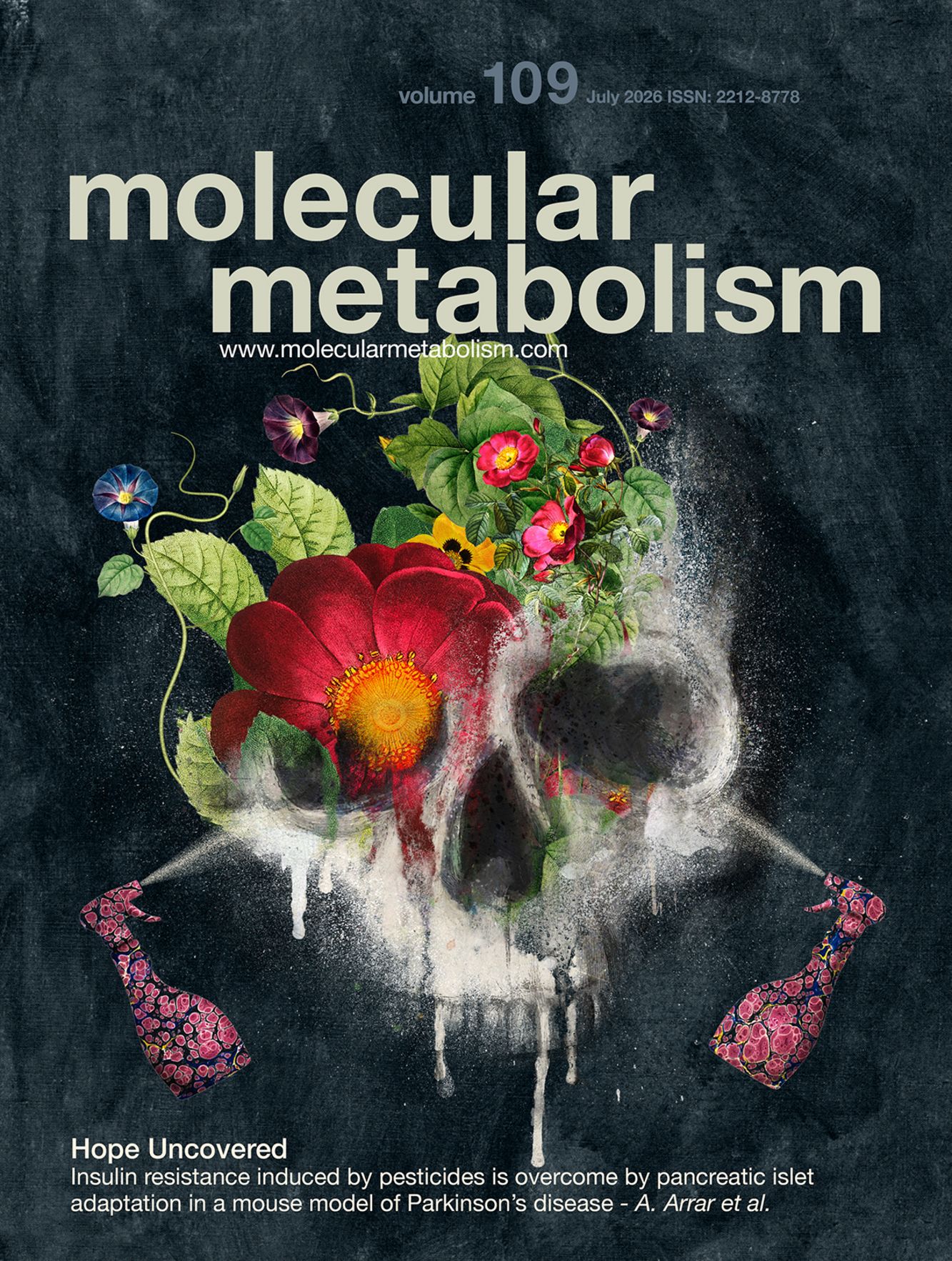
Cover Story Current Issue

Glucose is a ubiquitous and essential source of energy for all living organisms. Although mammals have evolved ways to convert other nutritional molecules to ATP, the preference for dietary glucose appears to be preserved. In rodents, the immediate detection of ingested glucose potently reinforces intake, hierarchically organizing behaviors towards glucose-yielding substances, and away from other types of food including other sugars. Taste is the primary sense linked to nutrient selection. Until recently, it was thought that most mammalian species utilize a single broadly tuned receptor to detect all simple sugars. Indeed, this “sweet” receptor, which comprises a heterodimer of the T1R2 and T1R3 proteins, binds multiple natural sugars (e.g., glucose, fructose, sucrose, maltose), as well as various other chemicals that yield little to no energy (e.g., low calorie sweeteners, sugar alcohols) and some d-amino acids. The neural signal originating from the sweet receptor is hardwired into brain circuits that drive eating and drinking behaviors, but it is an unreliable indicator of nutrient quality and quantity.

Full text


Current Issue

Beta-cell-specific C3 deficiency exacerbates metabolic dysregulation and insulin resistance in obesity

Ben C. King, Lucie Colineau, Julia Slaby, Olga Kolodziej, ... Anna M. Blom

Beta-cell-specific C3 deficiency exacerbates metabolic dysregulation and insulin resistance in obesity


Background

C3 is highly expressed in human and rodent pancreatic islets, which secrete insulin to regulate blood glucose homeostasis. We have previously shown that cytosolic C3 protects pancreatic beta-cells from stress, by allowing cytoprotective autophagy, and that the same intracellular pool of C3 also protects beta-cells from cytokine-induced apoptosis.

Methods

We now generated a beta-cell specific C3 knockout mouse (beta-C3-KO) to test whether cell-intrinsic C3 is required for beta-cell function in a whole animal model. These mice were placed on high-fat diet (HFD), blood glucose and insulin measurements taken over time, and tissues examined at endpoint by qPCR and immunofluorescence.

Results

While no differences were found between in baseline metabolic performance when comparing floxed controls and beta-C3KO mice, significant differences were found when mice were put on high-fat diet (HFD). Beta-C3-KO mice gained more weight, exhibited higher fasting blood glucose and insulin levels, and showed signs of adipose tissue inflammation and insulin resistance. Consistent with previous results showing that C3 alleviates beta-cell stress, increased amounts of unprocessed pro-insulin were found in the circulation of HFD-fed beta-C3-KO mice, as well as in islets from these mice. Beta-C3-KO HFD mouse islets also had a higher proportion of insulin staining, and isolated islets released more insulin in vitro.

Conclusion

The interaction of increased insulin secretion and HFD leads to enhanced weight gain. Cell-intrinsic expression of C3 is important for optimal function of mouse pancreatic beta-cells under metabolic pressure in vivo.


Articles in Press

Beta-cell-specific C3 deficiency exacerbates metabolic dysregulation and insulin resistance in obesity

Ben C. King, Lucie Colineau, Julia Slaby, Olga Kolodziej, ... Anna M. Blom

Beta-cell-specific C3 deficiency exacerbates metabolic dysregulation and insulin resistance in obesity


Background

C3 is highly expressed in human and rodent pancreatic islets, which secrete insulin to regulate blood glucose homeostasis. We have previously shown that cytosolic C3 protects pancreatic beta-cells from stress, by allowing cytoprotective autophagy, and that the same intracellular pool of C3 also protects beta-cells from cytokine-induced apoptosis.

Methods

We now generated a beta-cell specific C3 knockout mouse (beta-C3-KO) to test whether cell-intrinsic C3 is required for beta-cell function in a whole animal model. These mice were placed on high-fat diet (HFD), blood glucose and insulin measurements taken over time, and tissues examined at endpoint by qPCR and immunofluorescence.

Results

While no differences were found between in baseline metabolic performance when comparing floxed controls and beta-C3KO mice, significant differences were found when mice were put on high-fat diet (HFD). Beta-C3-KO mice gained more weight, exhibited higher fasting blood glucose and insulin levels, and showed signs of adipose tissue inflammation and insulin resistance. Consistent with previous results showing that C3 alleviates beta-cell stress, increased amounts of unprocessed pro-insulin were found in the circulation of HFD-fed beta-C3-KO mice, as well as in islets from these mice. Beta-C3-KO HFD mouse islets also had a higher proportion of insulin staining, and isolated islets released more insulin in vitro.

Conclusion

The interaction of increased insulin secretion and HFD leads to enhanced weight gain. Cell-intrinsic expression of C3 is important for optimal function of mouse pancreatic beta-cells under metabolic pressure in vivo.


SAVE THE DATE!

13th
Helmholtz Diabetes Conference 

Munich, 21-23. Sep 2026

2024 impact factor: 6.6

You are what you eat

Here is a video of Vimeo. When the iframes is activated, a connection to Vimeo is established and, if necessary, cookies from Vimeo are also used. For further information on cookies policy click here.

Auf Werbeinhalte, die vor, während oder nach Videos von WEBSITE-URL eingeblendet werden, hat WEBSITE-URL keinen Einfluss. Wir übernehmen keine Gewähr für diese Inhalte. Weitere Informationen finden Sie hier.