
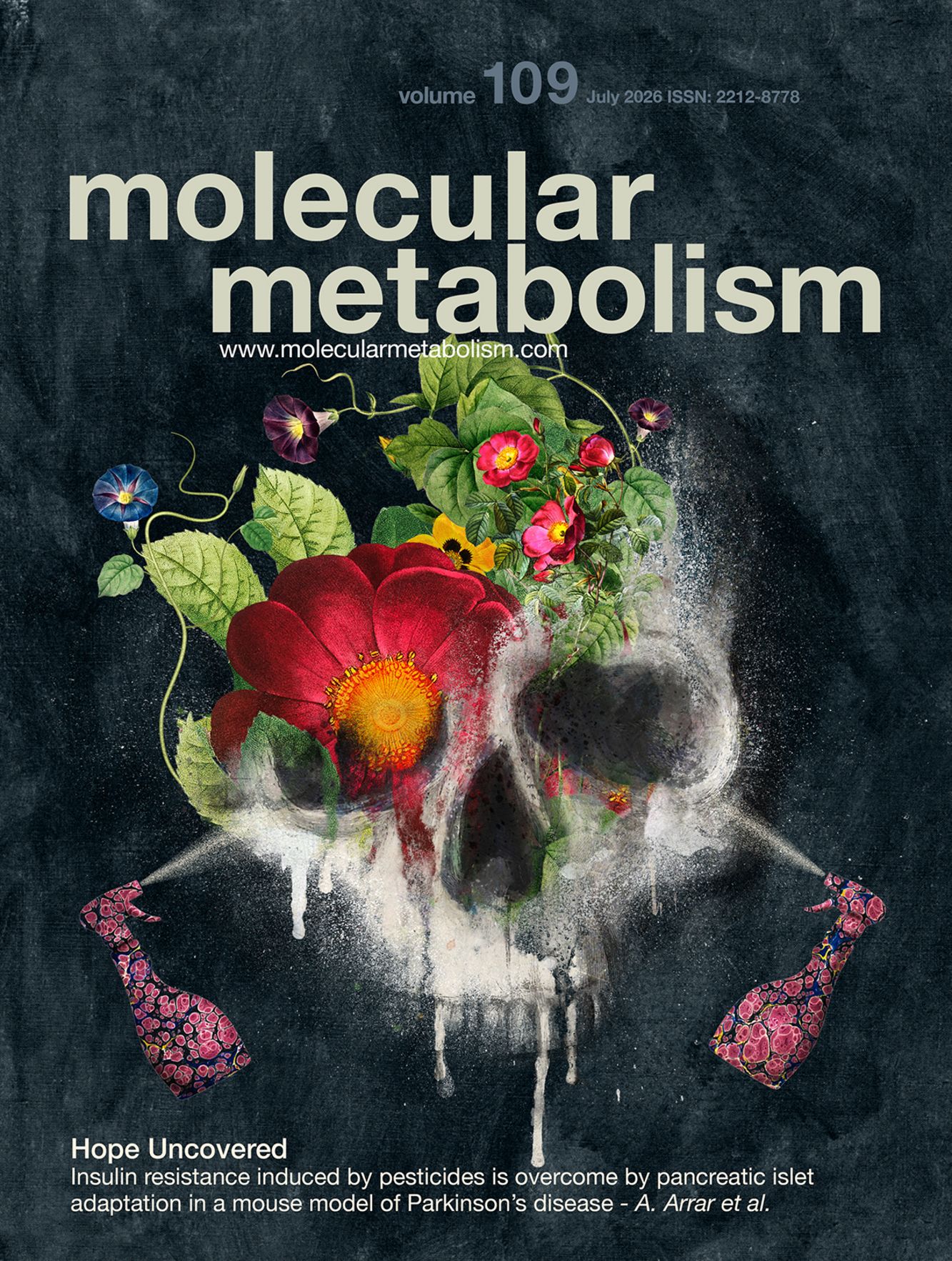
 Volume 109, Current Issue
 Vol 28, October 2019
 Vol 27, September 2019
 Vol 26, August 2019
 Vol 25, July 2019
 Vol 24, June 2019
 Vol 23, May 2019
 Vol 22, April 2019
 Vol 21, March 2019
 Vol 20, February 2019
 Vol 19, January 2019
 Vol 18, December 2018
 Vol 17, November 2018
 Vol 16, October 2018
 Vol 15, September 2018
 Vol 14, August 2018
 Vol 13, July 2018
 Vol 12, June 2018
 Vol 11, May 2018
 Vol 10, April 2018
 Vol 9, March 2018
 Vol 8, February 2018
 Vol 7, January 2018
 Vol 6 No 12, December 2017
 Vol 6 No 11, November 2017
 Vol 6 No 10, October 2017
 Vol 6 No 9, September 2017
 Vol 6 No 8, August 2017
 Vol 6 No 7, July 2017
 Vol 6 No 6, June 2017
 Vol 6 No 5, May 2017
 Vol 6 No 4, April 2017
 Vol 6 No 3, March 2017
 Vol 6 No 2, February 2017
 Vol 6 No 1, January 2017
 Vol 5 No 12, December 2016
 Vol 5 No 11, November 2016
 Vol 5 No 10, October 2016
 Vol 5 No 9, September 2016
 Vol 5 No 8, August 2016
 Vol 5 No 7, July 2016
 Vol 5 No 6, June 2016
 Vol 5 No 5, May 2016
 Vol 5 No 4, April 2016
 Vol 5 No 3, March 2016
 Vol 5 No 2, February 2016
 Vol 5 No 1, January 2016
 Vol 4 No 12, December 2015
 Vol 4 No 11, November 2015
 Vol 4 No 10, October 2015


Cover Story Current Issue

Epidemiological evidences provide proof of concept that certain pesticides are involved in metabolic disorders, but also in the pathophysiology of Parkinson's disease (PD). In addition, large prospective cohort studies reported that type 2 diabetes (T2D) and PD are epidemiologically associated, including an elevated risk of developing PD in patients with T2D.
Current Issue
Oleic acid fuels cisplatin-resistant ovarian cancer through FABP4-driven lipid uptake
- Abstract
Oleic acid fuels cisplatin-resistant ovarian cancer through FABP4-driven lipid uptake
Background
Ovarian cancer (OC) depends on lipids as fuel for metastasis and growth. We previously showed that cisplatin resistant (Pt–R) OC cells uptake higher amounts of fatty acids (FAs) compared to sensitive (Pt–S) cells, a process which facilitates cancer cell survival under cisplatin-induced oxidative stress.
Methods
Isogenic pairs of Pt–S and Pt–R OC cell lines were cultured in low serum conditions supplemented with either 50 μM oleic acid (OA, unsaturated) or 50 μM palmitic acid (PA, saturated) and used for viability assays, RNA-Sequencing, and cell cycle analysis. The effects of an OA enriched diet were assessed in intraperitoneal ovarian xenografts. The FABP inhibitor BMS-309403 was used to block lipid import in vitro and in vivo.
Results
Pt–R cells were less viable than Pt–S cells under serum depletion and OA rescued starvation induced inhibition of cell proliferation, with more significant effects in Pt–R compared to Pt–S cells. RNA-sequencing showed that OA promoted upregulation of cell cycle-related pathways, including G2/M checkpoints, driven by the transcription factor E2F1. Supplementation with OA increased S- and G2/M phase cell populations in both Pt–S and Pt–R cells (p < 0.05) and E2F1 inhibition reduced OA-induced cell proliferation. An OA enriched diet promoted the growth and peritoneal dissemination of Pt–R ovarian xenografts. When co-cultured with adipocytes, Pt–R cells expressed higher levels of FA transporter proteins FABP4 and CD36 compared to sensitive cells and FABP4 expression was upregulated in paired metastatic and recurrent vs. primary human ovarian tumors (p < 0.05). An FABP inhibitor sensitized OC cells to cisplatin and suppressed the in vivo growth of Pt–R xenografts and patient derived xenografts.
Conclusions
Pt–R OC cells harbor heightened dependence on unsaturated FAs compared to Pt–S cells and upregulate key transporters to increase FAs uptake. OA supports the proliferation of Pt–R cells in vitro and in vivo and a combination of carboplatin and FABP4 inhibitor reduces OC growth in vivo. These findings suggest that lipid composition may influence therapeutic response and raise important considerations for dietary guidance in patients with cancer.
Articles in Press
Oleic acid fuels cisplatin-resistant ovarian cancer through FABP4-driven lipid uptake
- Abstract
Oleic acid fuels cisplatin-resistant ovarian cancer through FABP4-driven lipid uptake
Background
Ovarian cancer (OC) depends on lipids as fuel for metastasis and growth. We previously showed that cisplatin resistant (Pt–R) OC cells uptake higher amounts of fatty acids (FAs) compared to sensitive (Pt–S) cells, a process which facilitates cancer cell survival under cisplatin-induced oxidative stress.
Methods
Isogenic pairs of Pt–S and Pt–R OC cell lines were cultured in low serum conditions supplemented with either 50 μM oleic acid (OA, unsaturated) or 50 μM palmitic acid (PA, saturated) and used for viability assays, RNA-Sequencing, and cell cycle analysis. The effects of an OA enriched diet were assessed in intraperitoneal ovarian xenografts. The FABP inhibitor BMS-309403 was used to block lipid import in vitro and in vivo.
Results
Pt–R cells were less viable than Pt–S cells under serum depletion and OA rescued starvation induced inhibition of cell proliferation, with more significant effects in Pt–R compared to Pt–S cells. RNA-sequencing showed that OA promoted upregulation of cell cycle-related pathways, including G2/M checkpoints, driven by the transcription factor E2F1. Supplementation with OA increased S- and G2/M phase cell populations in both Pt–S and Pt–R cells (p < 0.05) and E2F1 inhibition reduced OA-induced cell proliferation. An OA enriched diet promoted the growth and peritoneal dissemination of Pt–R ovarian xenografts. When co-cultured with adipocytes, Pt–R cells expressed higher levels of FA transporter proteins FABP4 and CD36 compared to sensitive cells and FABP4 expression was upregulated in paired metastatic and recurrent vs. primary human ovarian tumors (p < 0.05). An FABP inhibitor sensitized OC cells to cisplatin and suppressed the in vivo growth of Pt–R xenografts and patient derived xenografts.
Conclusions
Pt–R OC cells harbor heightened dependence on unsaturated FAs compared to Pt–S cells and upregulate key transporters to increase FAs uptake. OA supports the proliferation of Pt–R cells in vitro and in vivo and a combination of carboplatin and FABP4 inhibitor reduces OC growth in vivo. These findings suggest that lipid composition may influence therapeutic response and raise important considerations for dietary guidance in patients with cancer.
Registration & Abstract Submission are open!

13th
Helmholtz Diabetes Conference
Munich, 21-23. Sep 2026

2024 impact factor: 6.6
You are what you eat
Here is a video of Vimeo. When the iframes is activated, a connection to Vimeo is established and, if necessary, cookies from Vimeo are also used. For further information on cookies policy click here.