
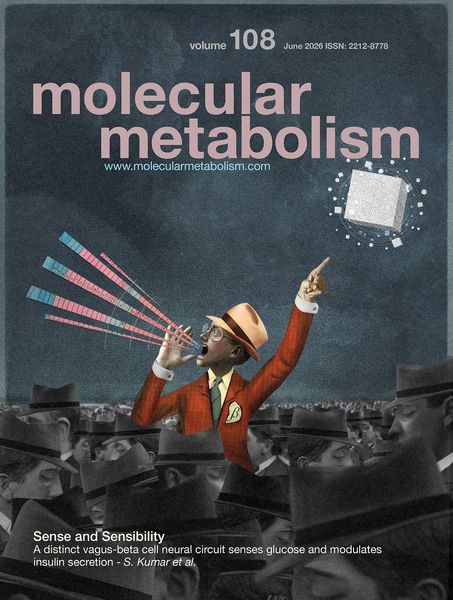
Cover Story
Hunger and appetite are associated with fluctuations in glucose levels through mechanisms that remain incompletely understood. Hunger elicits epigastric sensations (“hunger pain”) that coincide with rhythmic gastric contractions, which intensify during hypoglycemia. These observations led to the glucostatic hypothesis, which proposed that glucose availability and utilization regulate food intake. Subsequent studies demonstrated that dynamic changes in blood glucose levels precede meal initiation and influence feeding behavior. Together, these findings provided early evidence for a physiological link between glycemia and appetite regulation.