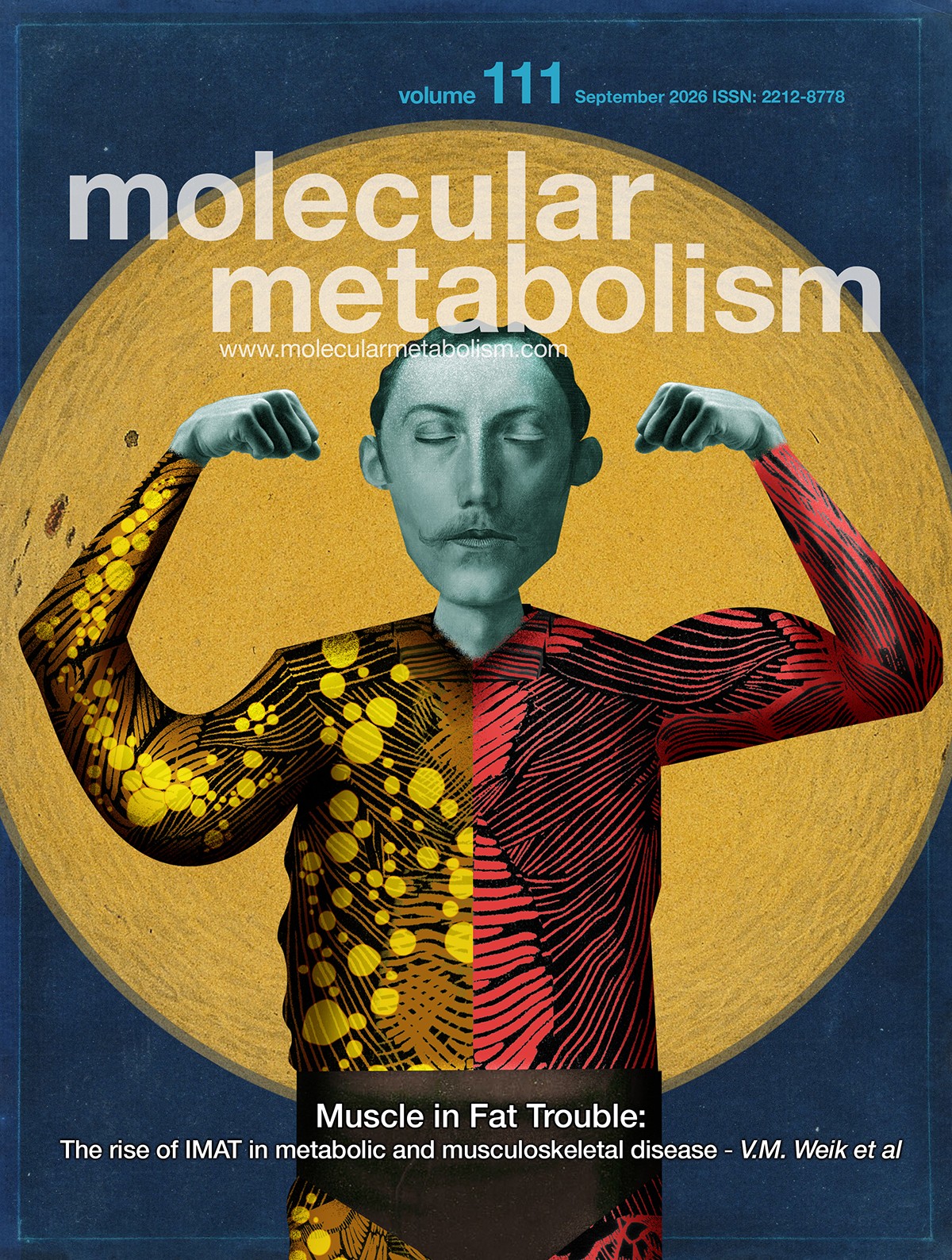
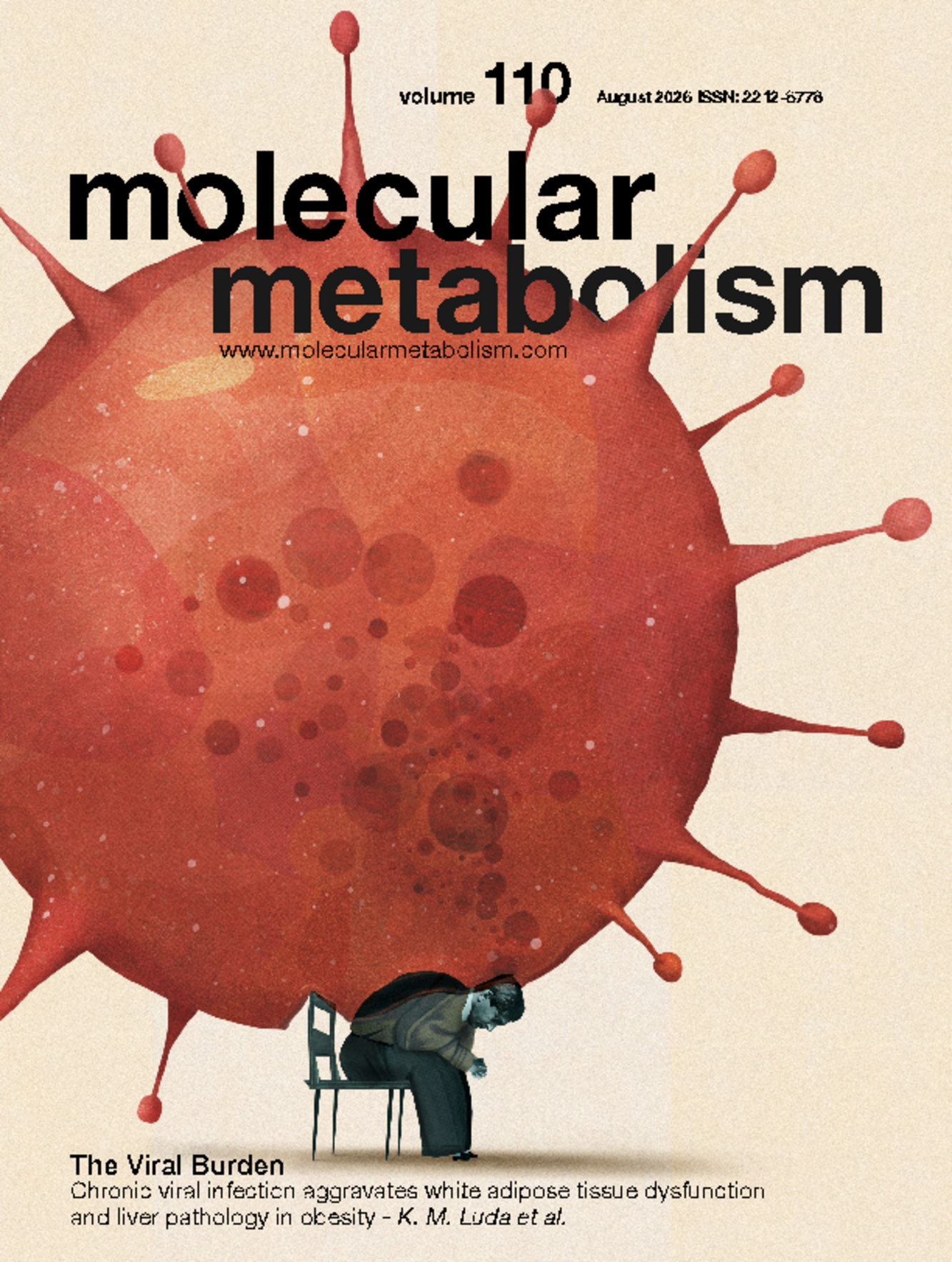
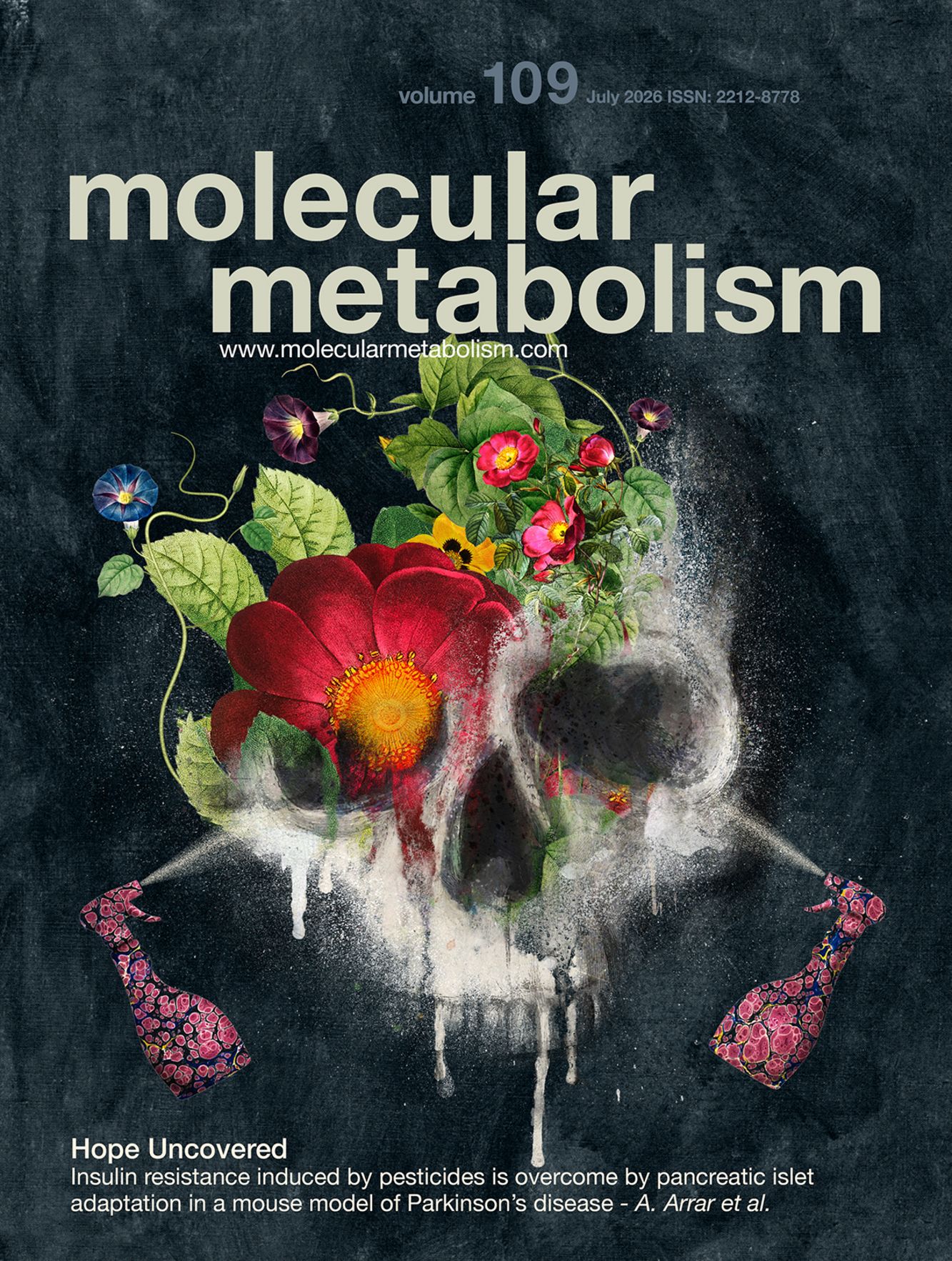
Cover Story Current Issue

The pancreas is a mixed gland primarily composed of exocrine tissue, which secretes digestive enzymes into the digestive tract, and an endocrine component organized into small clusters known as islets of Langerhans, constituting approximately 1% of the pancreatic mass. Each adult islet contains an average of 1,500 cells, including beta-, alpha- and delta-cells, which produce and secrete insulin (INS), glucagon (GCG), and somatostatin (SST) respectively. The destruction of insulin-producing beta-cells or the defective insulin secretion give rise to type 1 and type 2 diabetes mellitus, respectively. These chronic metabolic disorders are characterized by the dysregulation of glucose homeostasis. 

Full text


Current Issue

Incretin-responsive human pancreatic adipose tissue organoids: A functional model for fatty pancreas research

E. Lorza-Gil, O.D. Strauss, E. Ziegler, K. Kansy, ... F. Gerst

Incretin-responsive human pancreatic adipose tissue organoids: A functional model for fatty pancreas research


Objective

Infiltration of adipocytes into the pancreatic parenchyma has been linked to impaired insulin secretion in individuals with increased genetic risk of T2D and prediabetic conditions. However, the study of this ectopic fat depot has been limited by the lack of suitable in vitro models.

Methods

Here, we developed a novel 3D model of functionally mature human pancreatic adipose tissue organoids by aggregating human pancreatic adipose tissue-derived stromal vascular fraction (SVF) cells into organoids and differentiating them over 19 days.

Results

These organoids carry biological properties of the in situ pancreatic fat, presenting levels of adipogenic markers comparable to native pancreatic adipocytes and improved lipolytic and anti-lipolytic response compared to conventional 2D cultures. The organoids harbour a small population of immune cells, mimicking in vivo adipose environment. Furthermore, they express GIPR, allowing investigation of incretin effects in pancreatic fat. In accordance, GIP and the dual GLP1R/GIPR agonist tirzepatide stimulate lipolysis but had distinct effects on the expression of proinflammatory cytokines.

Conclusions

This novel adipose organoid model is a valuable tool to study the metabolic impact of incretin signalling in pancreatic adipose tissue, revealing potential therapeutic targets of incretins beyond islets. The donor-specific metabolic memory of these organoids enables examination of the pancreatic fat-islet crosstalk in a donor-related metabolic context.


Articles in Press

Incretin-responsive human pancreatic adipose tissue organoids: A functional model for fatty pancreas research

E. Lorza-Gil, O.D. Strauss, E. Ziegler, K. Kansy, ... F. Gerst

Incretin-responsive human pancreatic adipose tissue organoids: A functional model for fatty pancreas research


Objective

Infiltration of adipocytes into the pancreatic parenchyma has been linked to impaired insulin secretion in individuals with increased genetic risk of T2D and prediabetic conditions. However, the study of this ectopic fat depot has been limited by the lack of suitable in vitro models.

Methods

Here, we developed a novel 3D model of functionally mature human pancreatic adipose tissue organoids by aggregating human pancreatic adipose tissue-derived stromal vascular fraction (SVF) cells into organoids and differentiating them over 19 days.

Results

These organoids carry biological properties of the in situ pancreatic fat, presenting levels of adipogenic markers comparable to native pancreatic adipocytes and improved lipolytic and anti-lipolytic response compared to conventional 2D cultures. The organoids harbour a small population of immune cells, mimicking in vivo adipose environment. Furthermore, they express GIPR, allowing investigation of incretin effects in pancreatic fat. In accordance, GIP and the dual GLP1R/GIPR agonist tirzepatide stimulate lipolysis but had distinct effects on the expression of proinflammatory cytokines.

Conclusions

This novel adipose organoid model is a valuable tool to study the metabolic impact of incretin signalling in pancreatic adipose tissue, revealing potential therapeutic targets of incretins beyond islets. The donor-specific metabolic memory of these organoids enables examination of the pancreatic fat-islet crosstalk in a donor-related metabolic context.


2022 impact factor: 6.6

You are what you eat

Here is a video of Vimeo. When the iframes is activated, a connection to Vimeo is established and, if necessary, cookies from Vimeo are also used. For further information on cookies policy click here.

Auf Werbeinhalte, die vor, während oder nach Videos von WEBSITE-URL eingeblendet werden, hat WEBSITE-URL keinen Einfluss. Wir übernehmen keine Gewähr für diese Inhalte. Weitere Informationen finden Sie hier.