
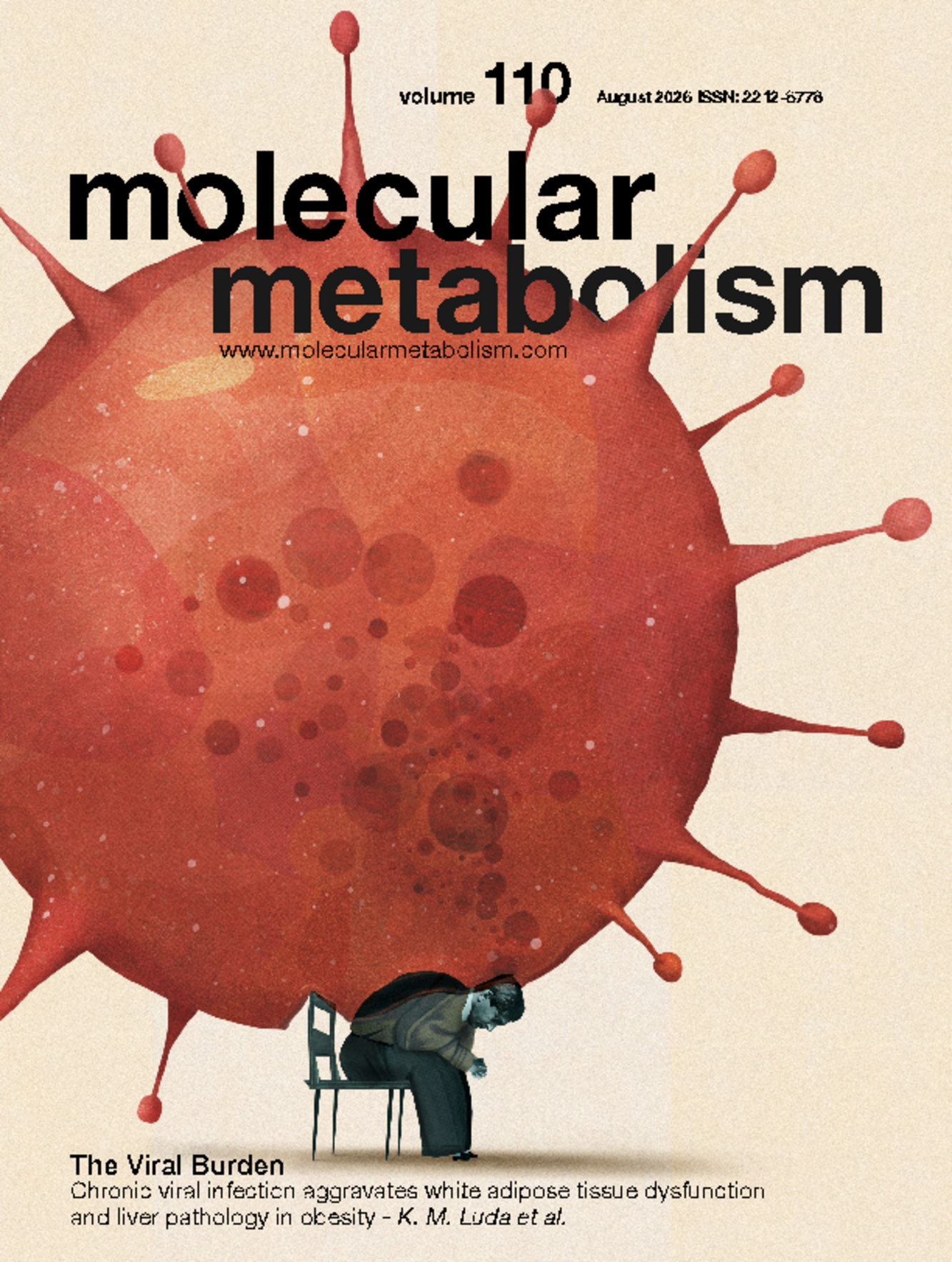
 Volume 110, Current Issue
 Vol 28, October 2019
 Vol 27, September 2019
 Vol 26, August 2019
 Vol 25, July 2019
 Vol 24, June 2019
 Vol 23, May 2019
 Vol 22, April 2019
 Vol 21, March 2019
 Vol 20, February 2019
 Vol 19, January 2019
 Vol 18, December 2018
 Vol 17, November 2018
 Vol 16, October 2018
 Vol 15, September 2018
 Vol 14, August 2018
 Vol 13, July 2018
 Vol 12, June 2018
 Vol 11, May 2018
 Vol 10, April 2018
 Vol 9, March 2018
 Vol 8, February 2018
 Vol 7, January 2018
 Vol 6 No 12, December 2017
 Vol 6 No 11, November 2017
 Vol 6 No 10, October 2017
 Vol 6 No 9, September 2017
 Vol 6 No 8, August 2017
 Vol 6 No 7, July 2017
 Vol 6 No 6, June 2017
 Vol 6 No 5, May 2017
 Vol 6 No 4, April 2017
 Vol 6 No 3, March 2017
 Vol 6 No 2, February 2017
 Vol 6 No 1, January 2017
 Vol 5 No 12, December 2016
 Vol 5 No 11, November 2016
 Vol 5 No 10, October 2016
 Vol 5 No 9, September 2016
 Vol 5 No 8, August 2016
 Vol 5 No 7, July 2016
 Vol 5 No 6, June 2016
 Vol 5 No 5, May 2016
 Vol 5 No 4, April 2016
 Vol 5 No 3, March 2016
 Vol 5 No 2, February 2016
 Vol 5 No 1, January 2016
 Vol 4 No 12, December 2015
 Vol 4 No 11, November 2015
 Vol 4 No 10, October 2015


Cover Story Current Issue
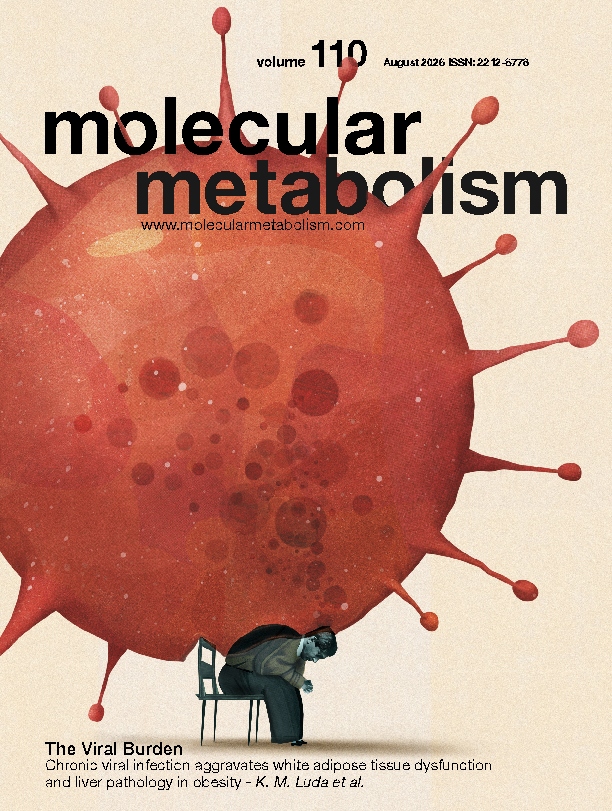
Viral infections are recognized as contributing factors in the pathogenesis of metabolic diseases. Viruses causing chronic infection are particularly important due to their capacity to induce sustained inflammation. Especially individuals with obesity - who exhibit preexisting metabolic abnormalities, low-grade inflammation, and altered antiviral responses - are at increased risk of viral infection-induced metabolic complications. Despite these associations, the specific metabolic consequences of chronic viral infections in obesity remain insufficiently characterized.
Current Issue
Increased susceptibility to diet-induced obesity in female mice impairs ovarian steroidogenesis: The role of elevated leptin signalling on nodal activity inhibition in theca cells
- Abstract
Increased susceptibility to diet-induced obesity in female mice impairs ovarian steroidogenesis: The role of elevated leptin signalling on nodal activity inhibition in theca cells
Objectives
Susceptibility to obesity in humans is driven by the intricate interplay of genetic, environmental and behavioural factors. Moreover, the mechanisms linking maternal obesity to infertility remain largely understudied. In this study, we investigated how variable susceptibility to obesity in mice affects ovarian steroidogenesis, with a particular focus on the leptin-mediated dysregulation of Nodal signalling pathway in theca cells (TC).
Methods
C56BL/6J (B6) and 129S1/SvlmJ (129) mice, models of maternal obesity (MO), were fed a chow diet (CD) and a high fat diet (HFD) for 16 weeks. To investigate the contrasting effects of leptin on ovarian steroidogenesis, B6 mice pharmacologically treated with leptin for 16 days on CD were used to model hyperleptinemia, while homozygous ob/ob (−/−) mice with genetic leptin deficiency, also on a CD, were used to examine the effects of obesity in the absence of leptin. Following the characterisation of the mouse phenotype, gonadal fat (GON), whole ovaries (WO), ovarian TC and granulosa cell (GC) fractions were collected for mRNA transcription and protein expression analysis. Finally, in vitro treated ovarian explants obtained from B6 mice were used to further elucidate the effects of Nodal on steroidogenesis.
Results
The significant gain in body weight (BW) and fat mass (FM) in HFD-fed B6 mice (p < 0.05), was associated with increased mRNA transcription of the adipose tissue expansion genes Polymerase I and transcript release factor (Cavin), Secreted frizzled-related protein 5 (Sfrp5) and Mesoderm specific transcript (Mest) in GON (p < 0.05). Furthermore, the HFD-fed B6 mice presented also impaired glucose metabolism and insulin sensitivity (p < 0.05). In contrast, the HFD-fed 129 mice exhibited no changes in BW and FM, maintaining glucose and insulin metabolism. At the ovarian level, decreased protein expression of Steroidogenic Acute Regulatory Protein (StAR) in WO obtained from HFD-fed B6 mice (p = 0.05), was followed by reduced transcription of key steroidogenic genes like Star and Cytochrome P450 17a1 (Cyp17a) in TC (p < 0.05). Furthermore, the transcription of Nodal and its receptors was downregulated (p < 0.05), whereas mRNA levels of Suppressor of cytokine signalling 3 (Socs3) and SMAD family member 7 (Smad7) were upregulated in TC obtained from HFD-fed B6 mice (p < 0.05). No changes were seen in the genes regulating steroidogenesis, Nodal signalling, or Socs3 and Smad7 activity in the ovaries of HFD-fed 129 mice. Importantly, the pharmacological treatment of lean mice with leptin, upregulated the ovarian transcription of Socs3 and Smad7, while downregulating Nodal and its receptors (p < 0.05). Finally, in vitro pharmacological inhibition of Nodal signalling pathway in ovarian explants isolated from CD-fed B6 mice decreased the transcription of Star and Cyp17a in TC (p < 0.05), whereas Nodal treatment of explants obtained from HFD-fed B6 mice restored the transcription of both genes (p < 0.05).
Conclusions
Increased susceptibility to obesity in MO is associated with systemic hyperleptinemia and hypoestrogenism due to compromised ovarian steroidogenesis, largely driven by the inhibitory effects of leptin-Smad7 pathway on Nodal signalling activity in the TC compartment of ovarian follicles.
Articles in Press
Increased susceptibility to diet-induced obesity in female mice impairs ovarian steroidogenesis: The role of elevated leptin signalling on nodal activity inhibition in theca cells
- Abstract
Increased susceptibility to diet-induced obesity in female mice impairs ovarian steroidogenesis: The role of elevated leptin signalling on nodal activity inhibition in theca cells
Objectives
Susceptibility to obesity in humans is driven by the intricate interplay of genetic, environmental and behavioural factors. Moreover, the mechanisms linking maternal obesity to infertility remain largely understudied. In this study, we investigated how variable susceptibility to obesity in mice affects ovarian steroidogenesis, with a particular focus on the leptin-mediated dysregulation of Nodal signalling pathway in theca cells (TC).
Methods
C56BL/6J (B6) and 129S1/SvlmJ (129) mice, models of maternal obesity (MO), were fed a chow diet (CD) and a high fat diet (HFD) for 16 weeks. To investigate the contrasting effects of leptin on ovarian steroidogenesis, B6 mice pharmacologically treated with leptin for 16 days on CD were used to model hyperleptinemia, while homozygous ob/ob (−/−) mice with genetic leptin deficiency, also on a CD, were used to examine the effects of obesity in the absence of leptin. Following the characterisation of the mouse phenotype, gonadal fat (GON), whole ovaries (WO), ovarian TC and granulosa cell (GC) fractions were collected for mRNA transcription and protein expression analysis. Finally, in vitro treated ovarian explants obtained from B6 mice were used to further elucidate the effects of Nodal on steroidogenesis.
Results
The significant gain in body weight (BW) and fat mass (FM) in HFD-fed B6 mice (p < 0.05), was associated with increased mRNA transcription of the adipose tissue expansion genes Polymerase I and transcript release factor (Cavin), Secreted frizzled-related protein 5 (Sfrp5) and Mesoderm specific transcript (Mest) in GON (p < 0.05). Furthermore, the HFD-fed B6 mice presented also impaired glucose metabolism and insulin sensitivity (p < 0.05). In contrast, the HFD-fed 129 mice exhibited no changes in BW and FM, maintaining glucose and insulin metabolism. At the ovarian level, decreased protein expression of Steroidogenic Acute Regulatory Protein (StAR) in WO obtained from HFD-fed B6 mice (p = 0.05), was followed by reduced transcription of key steroidogenic genes like Star and Cytochrome P450 17a1 (Cyp17a) in TC (p < 0.05). Furthermore, the transcription of Nodal and its receptors was downregulated (p < 0.05), whereas mRNA levels of Suppressor of cytokine signalling 3 (Socs3) and SMAD family member 7 (Smad7) were upregulated in TC obtained from HFD-fed B6 mice (p < 0.05). No changes were seen in the genes regulating steroidogenesis, Nodal signalling, or Socs3 and Smad7 activity in the ovaries of HFD-fed 129 mice. Importantly, the pharmacological treatment of lean mice with leptin, upregulated the ovarian transcription of Socs3 and Smad7, while downregulating Nodal and its receptors (p < 0.05). Finally, in vitro pharmacological inhibition of Nodal signalling pathway in ovarian explants isolated from CD-fed B6 mice decreased the transcription of Star and Cyp17a in TC (p < 0.05), whereas Nodal treatment of explants obtained from HFD-fed B6 mice restored the transcription of both genes (p < 0.05).
Conclusions
Increased susceptibility to obesity in MO is associated with systemic hyperleptinemia and hypoestrogenism due to compromised ovarian steroidogenesis, largely driven by the inhibitory effects of leptin-Smad7 pathway on Nodal signalling activity in the TC compartment of ovarian follicles.
Early Bird Registration extended until 16 Aug!

13th
Helmholtz Diabetes Conference
Munich, 21-23. Sep 2026

2024 impact factor: 6.6
You are what you eat
Here is a video of Vimeo. When the iframes is activated, a connection to Vimeo is established and, if necessary, cookies from Vimeo are also used. For further information on cookies policy click here.