


Cover Story Current Issue
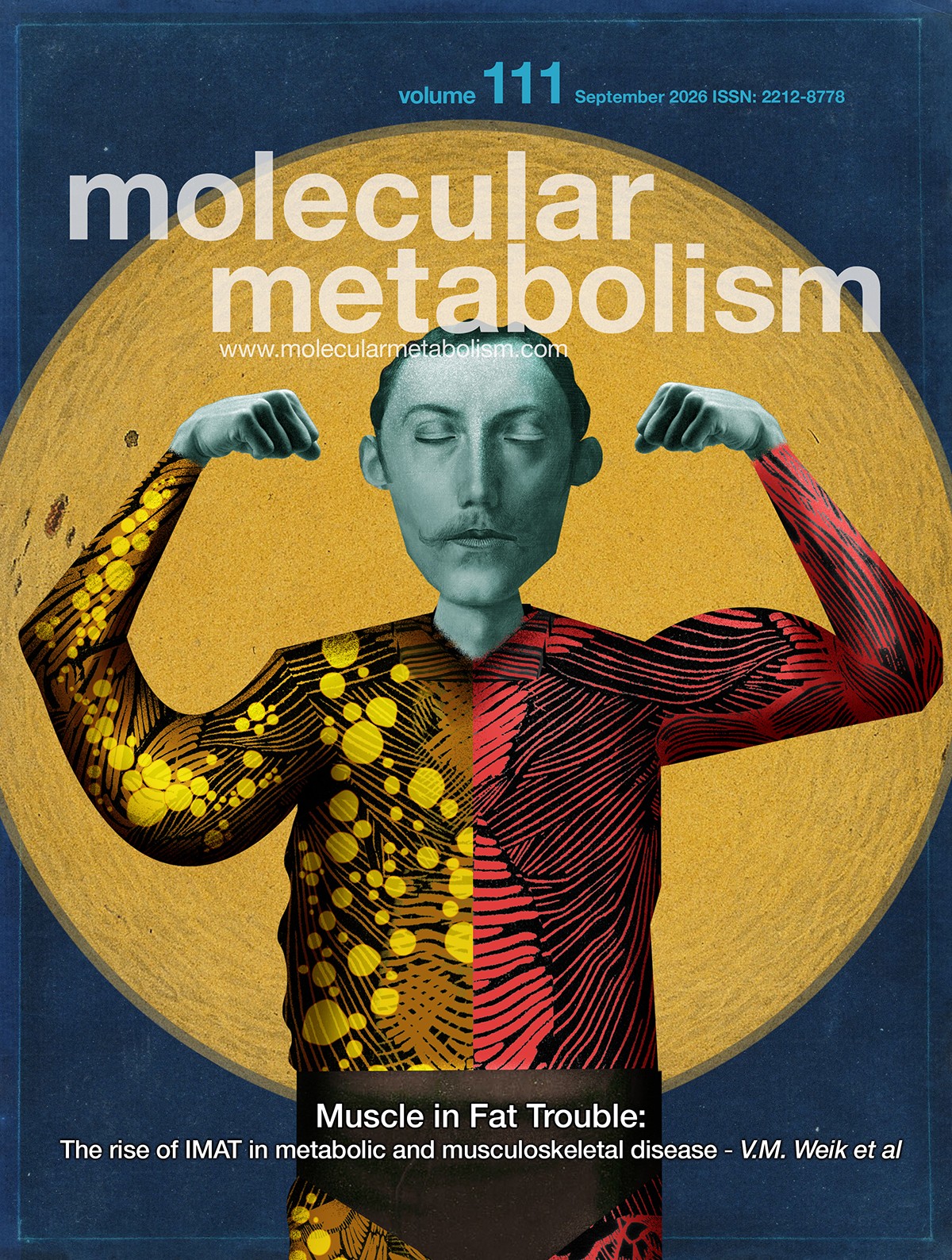
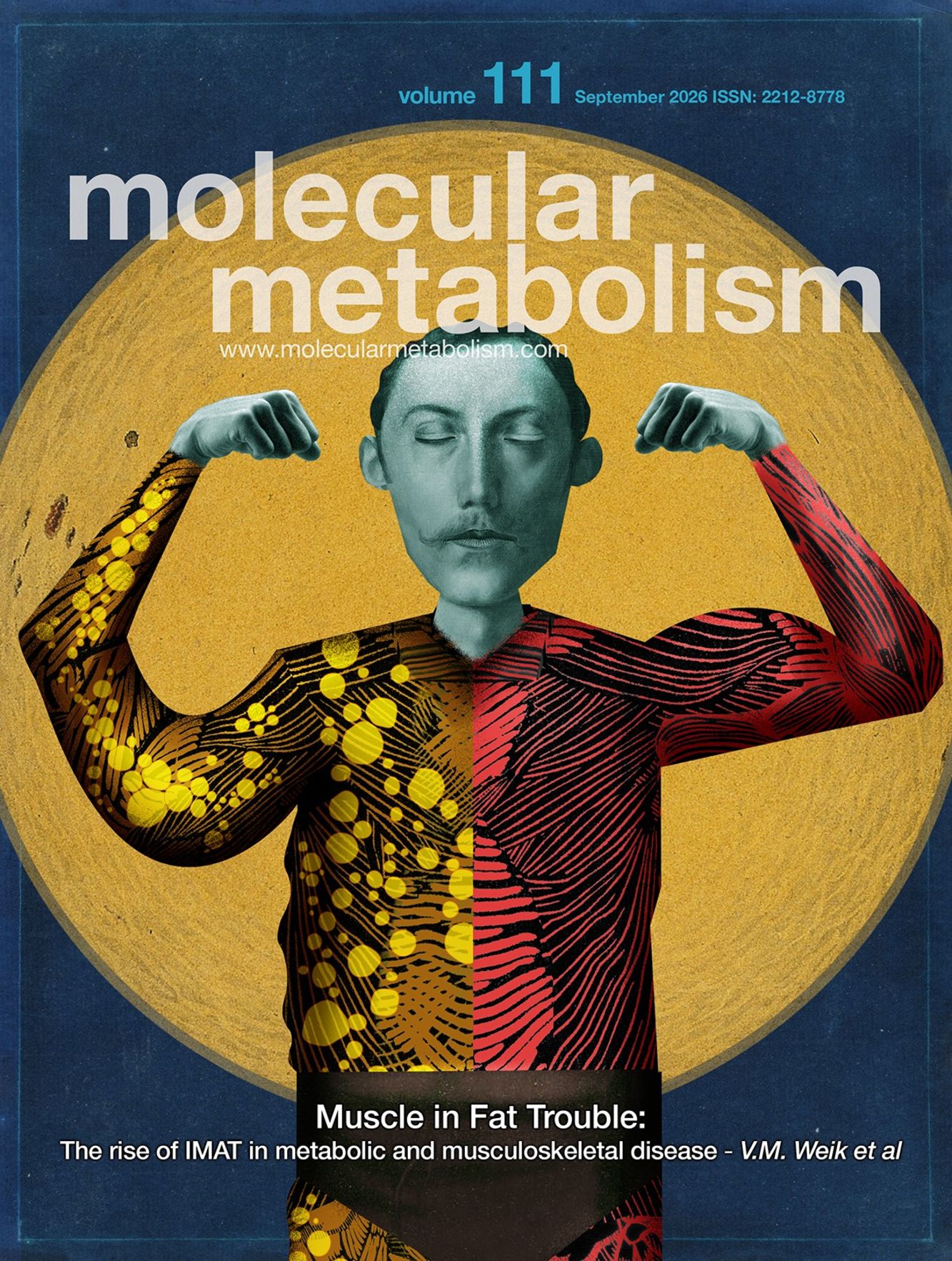
Skeletal muscle is the largest organ in the human body by mass, making up approximately 40 % of total body weight. Furthermore, it accounts for the majority of insulin-stimulated glucose uptake and is also highly involved in lipid metabolism. Lipids can accumulate in muscle through different distinct depots: as intramyocellular lipids (IMCL), stored as triglyceride-containing droplets within muscle cells and as intermuscular adipose tissue (IMAT), located between muscle fiber bundles beneath the deep muscle fascia. The muscular fat depots have been positively correlated with an increased body fat content in obesity, just like subcutaneous and visceral adipose tissue (SAT and VAT, respectively). IMCL, IMAT, VAT and SAT have additionally been linked to insulin resistance and type 2 diabetes mellitus (T2D).
Current Issue
Endurance training promotes chromatin closure and timely repression of the post-exercise immediate early stress response

Endurance training promotes chromatin closure and timely repression of the post-exercise immediate early stress response
Objectives
Endurance training is known to elicit numerous changes in skeletal muscle to enhance performance and function. Many of these adaptations are controlled by the modulation of transcriptional programs in myonuclei. While previous studies have explored alterations in DNA methylation and histone modifications in response to exercise, the specific changes in chromatin restructuring and accessibility, a prerequisite for transcription, are still poorly understood.
Methods
A multi-omics analysis was performed: ATAC-sequencing was used to map chromatin accessibility in myonuclei isolated from endurance-trained and untrained mice at multiple time points (0 h, 6 h, and 72 h) post-exercise. Gene expression was assessed via RNA-sequencing, and motif activity analysis identified regulatory factors involved in exercise-induced chromatin remodeling and transcriptomic response.
Results
Endurance training amplified rapid chromatin closing immediately after exercise, with trained muscle exhibiting a more pronounced loss of chromatin accessibility at 0 h and 6 h post-exercise compared to untrained muscle. These chromatin accessibility changes persisted longer in trained muscle, with significant retention until 72 h post-exercise. Immediate early transcription factors, such as Fos and Jun, showed a training state-dependent shift in activation dynamics. Similarly, specific modulation of genes involved in metabolism, insulin response and angiogenesis was observed.
Conclusions
Endurance training triggers rapid and persistent chromatin remodeling in muscle, contributing to the transcriptional response to exercise. Our findings suggest that training induces long-lasting epigenetic changes, potentially underpinning muscle memory and improved physiological resilience. These new insights into the molecular mechanisms of muscle adaptation help to understand the training response, and might become relevant in disease prevention.
Articles in Press
Endurance training promotes chromatin closure and timely repression of the post-exercise immediate early stress response
Endurance training promotes chromatin closure and timely repression of the post-exercise immediate early stress response
Objectives
Endurance training is known to elicit numerous changes in skeletal muscle to enhance performance and function. Many of these adaptations are controlled by the modulation of transcriptional programs in myonuclei. While previous studies have explored alterations in DNA methylation and histone modifications in response to exercise, the specific changes in chromatin restructuring and accessibility, a prerequisite for transcription, are still poorly understood.
Methods
A multi-omics analysis was performed: ATAC-sequencing was used to map chromatin accessibility in myonuclei isolated from endurance-trained and untrained mice at multiple time points (0 h, 6 h, and 72 h) post-exercise. Gene expression was assessed via RNA-sequencing, and motif activity analysis identified regulatory factors involved in exercise-induced chromatin remodeling and transcriptomic response.
Results
Endurance training amplified rapid chromatin closing immediately after exercise, with trained muscle exhibiting a more pronounced loss of chromatin accessibility at 0 h and 6 h post-exercise compared to untrained muscle. These chromatin accessibility changes persisted longer in trained muscle, with significant retention until 72 h post-exercise. Immediate early transcription factors, such as Fos and Jun, showed a training state-dependent shift in activation dynamics. Similarly, specific modulation of genes involved in metabolism, insulin response and angiogenesis was observed.
Conclusions
Endurance training triggers rapid and persistent chromatin remodeling in muscle, contributing to the transcriptional response to exercise. Our findings suggest that training induces long-lasting epigenetic changes, potentially underpinning muscle memory and improved physiological resilience. These new insights into the molecular mechanisms of muscle adaptation help to understand the training response, and might become relevant in disease prevention.
Registration still open - sign up now!

13th
Helmholtz Diabetes Conference
Munich, 21-23. Sep 2026

2024 impact factor: 6.6
You are what you eat
Here is a video of Vimeo. When the iframes is activated, a connection to Vimeo is established and, if necessary, cookies from Vimeo are also used. For further information on cookies policy click here.