



Cover Story Current Issue
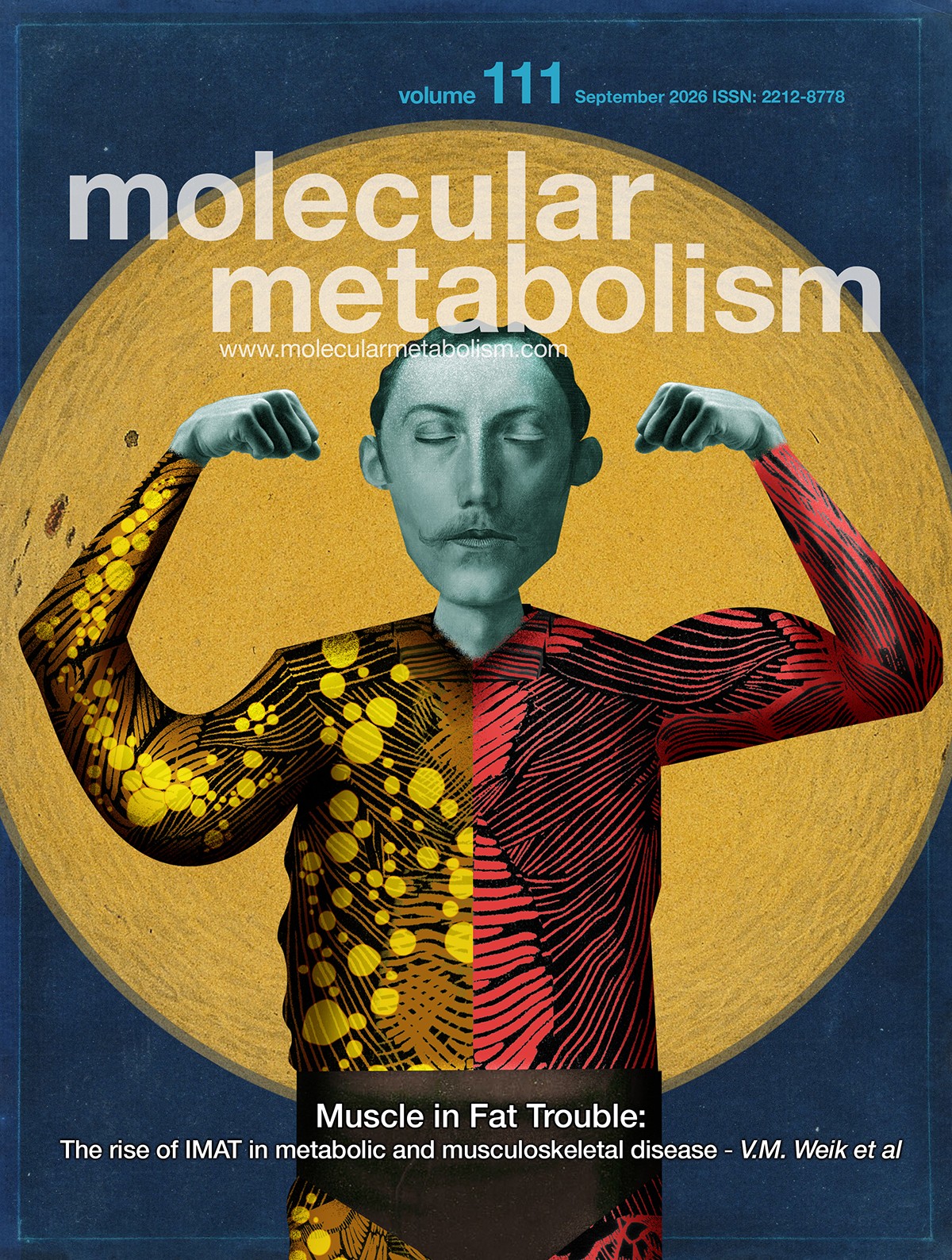
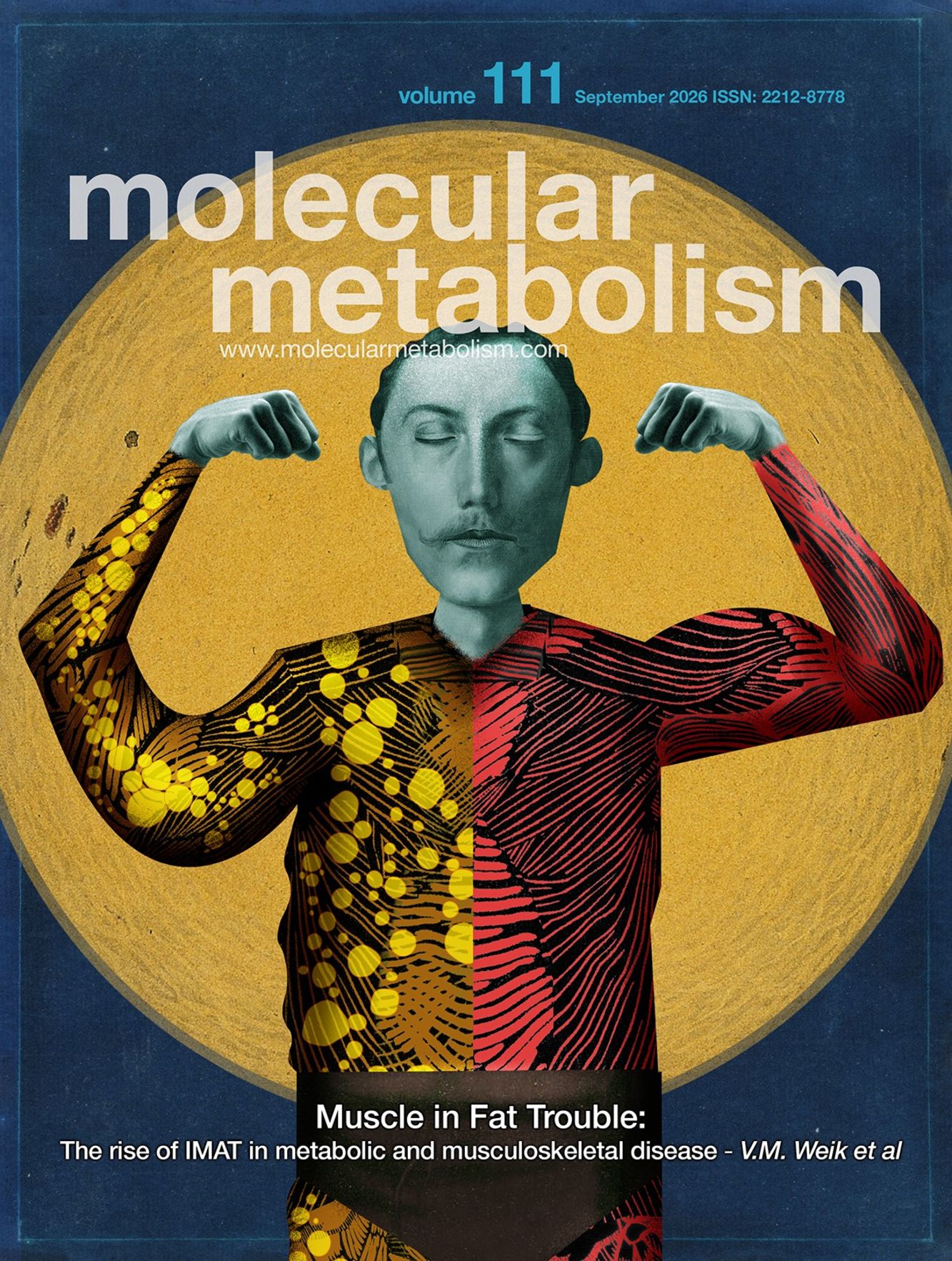
Skeletal muscle is the largest organ in the human body by mass, making up approximately 40 % of total body weight. Furthermore, it accounts for the majority of insulin-stimulated glucose uptake and is also highly involved in lipid metabolism. Lipids can accumulate in muscle through different distinct depots: as intramyocellular lipids (IMCL), stored as triglyceride-containing droplets within muscle cells and as intermuscular adipose tissue (IMAT), located between muscle fiber bundles beneath the deep muscle fascia. The muscular fat depots have been positively correlated with an increased body fat content in obesity, just like subcutaneous and visceral adipose tissue (SAT and VAT, respectively). IMCL, IMAT, VAT and SAT have additionally been linked to insulin resistance and type 2 diabetes mellitus (T2D).
Current Issue
Effects of β-catenin deficiency on adipose tissue physiology

Effects of β-catenin deficiency on adipose tissue physiology
Objectives
Compelling evidence from investigation of preclinical models and humans links canonical Wnt/β-catenin signaling to regulation of many aspects of white adipose tissue development and physiology. Dysregulation of this ancient pathway alters adiposity and metabolic homeostasis. Herein we explore how disruption of adipocyte Wnt/β-catenin signaling affects gene expression and crosstalk between cell types within adipose tissue.
Methods
To investigate mechanisms through which adipose tissue attempts to maintain homeostasis in the absence of β-catenin in adipocytes, we employed standard methods of metabolic phenotyping as well as bulk RNA sequencing, flow cytometry, single-cell RNA sequencing, and isolation of secreted extracellular vesicles.
Results
Our experiments reveal that male, but not female adipocyte-specific β-catenin knockout mice, Ctnnb1AdKO, have an increase in adiposity and insulin resistance. Whereas metabolic processes including fatty acid metabolism were suppressed in adipocytes, mitochondrial metabolism of immune cells was made more efficient, resulting in reduced reactive oxygen species in macrophages and dendritic cells. Deficiency of β-catenin in adipocytes altered the transcriptome of numerous stromal-vascular cell populations including adipose stem and progenitor cells, macrophages, and other immune cells. Homeostasis in white adipose tissue of Ctnnb1AdKO mice is maintained in part by elevated expression of Ctnnb1 mRNA in endothelial cells and in secreted small extracellular vesicles.
Conclusions
Our studies demonstrate the importance of adipocyte Wnt signaling for regulation of lipid and mitochondrial metabolic processes in stromal-vascular cells and adipocytes in adipose tissues. This research provides further support for an intercellular Wnt signaling network with compensatory capability to maintain homeostasis, and underscores importance of Wnt/β-catenin signaling for understanding adipose tissue physiology and pathophysiology.
Articles in Press
Effects of β-catenin deficiency on adipose tissue physiology
Effects of β-catenin deficiency on adipose tissue physiology
Objectives
Compelling evidence from investigation of preclinical models and humans links canonical Wnt/β-catenin signaling to regulation of many aspects of white adipose tissue development and physiology. Dysregulation of this ancient pathway alters adiposity and metabolic homeostasis. Herein we explore how disruption of adipocyte Wnt/β-catenin signaling affects gene expression and crosstalk between cell types within adipose tissue.
Methods
To investigate mechanisms through which adipose tissue attempts to maintain homeostasis in the absence of β-catenin in adipocytes, we employed standard methods of metabolic phenotyping as well as bulk RNA sequencing, flow cytometry, single-cell RNA sequencing, and isolation of secreted extracellular vesicles.
Results
Our experiments reveal that male, but not female adipocyte-specific β-catenin knockout mice, Ctnnb1AdKO, have an increase in adiposity and insulin resistance. Whereas metabolic processes including fatty acid metabolism were suppressed in adipocytes, mitochondrial metabolism of immune cells was made more efficient, resulting in reduced reactive oxygen species in macrophages and dendritic cells. Deficiency of β-catenin in adipocytes altered the transcriptome of numerous stromal-vascular cell populations including adipose stem and progenitor cells, macrophages, and other immune cells. Homeostasis in white adipose tissue of Ctnnb1AdKO mice is maintained in part by elevated expression of Ctnnb1 mRNA in endothelial cells and in secreted small extracellular vesicles.
Conclusions
Our studies demonstrate the importance of adipocyte Wnt signaling for regulation of lipid and mitochondrial metabolic processes in stromal-vascular cells and adipocytes in adipose tissues. This research provides further support for an intercellular Wnt signaling network with compensatory capability to maintain homeostasis, and underscores importance of Wnt/β-catenin signaling for understanding adipose tissue physiology and pathophysiology.
Registration still open - sign up now!

13th
Helmholtz Diabetes Conference
Munich, 21-23. Sep 2026

2024 impact factor: 6.6
You are what you eat
Here is a video of Vimeo. When the iframes is activated, a connection to Vimeo is established and, if necessary, cookies from Vimeo are also used. For further information on cookies policy click here.