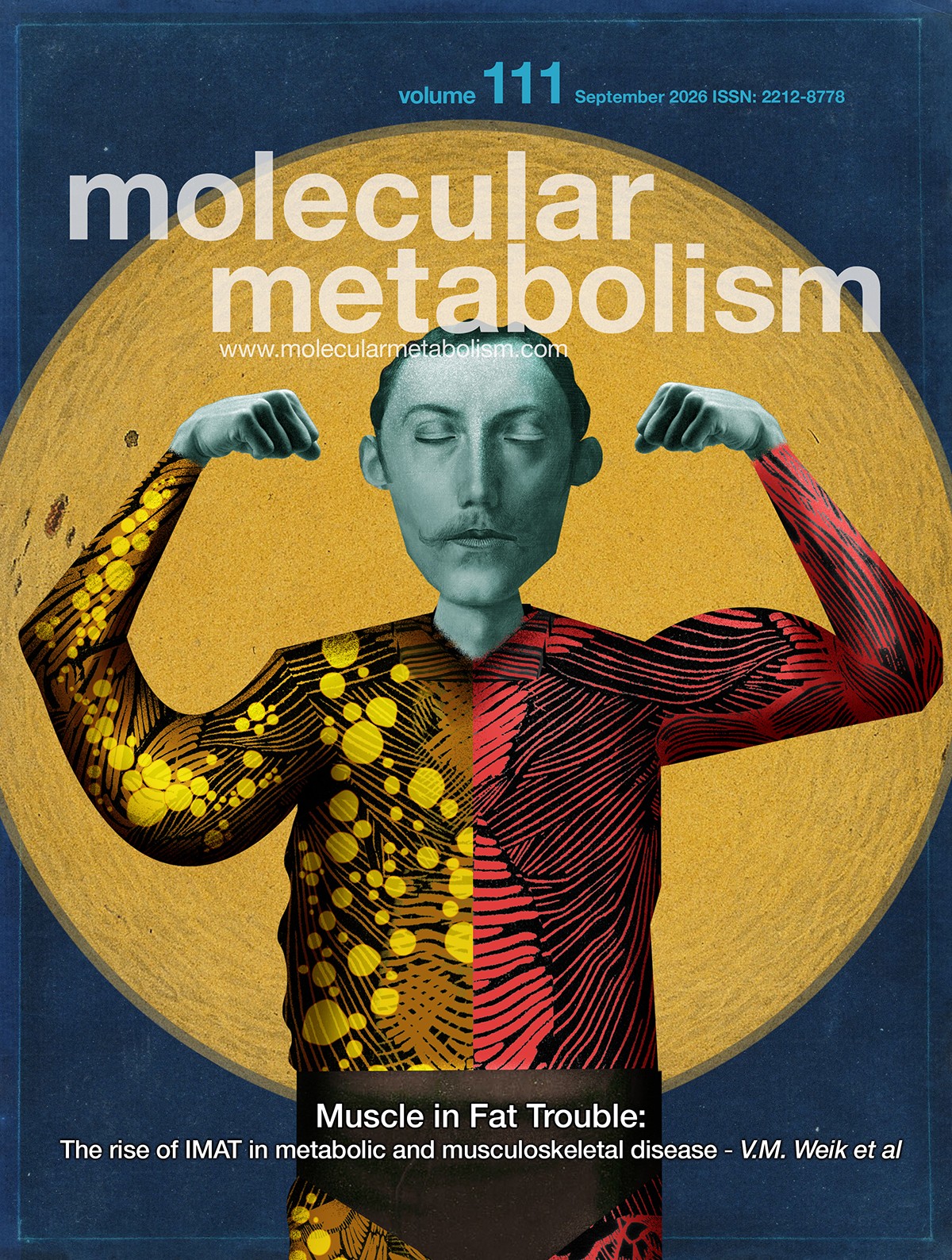
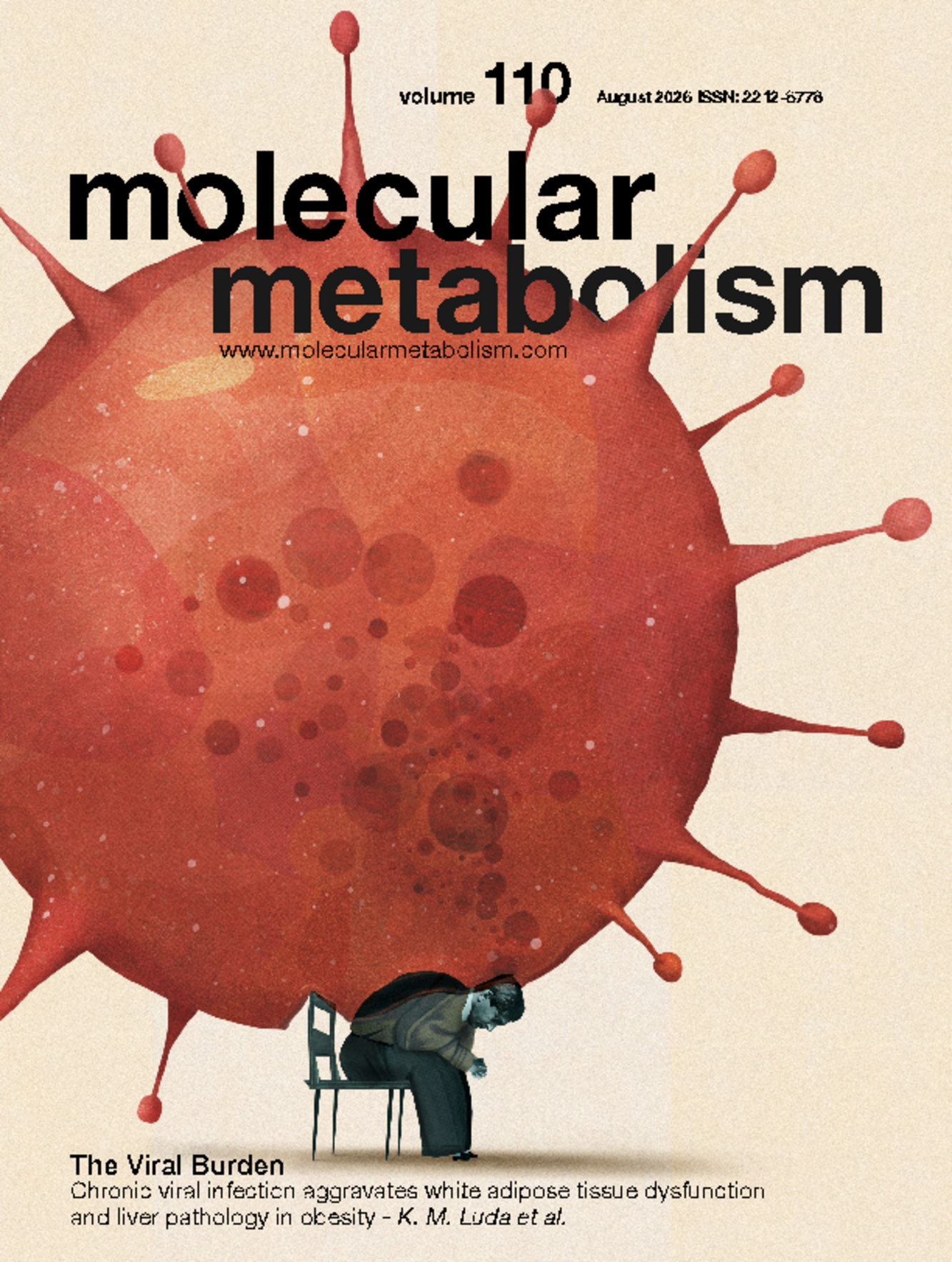
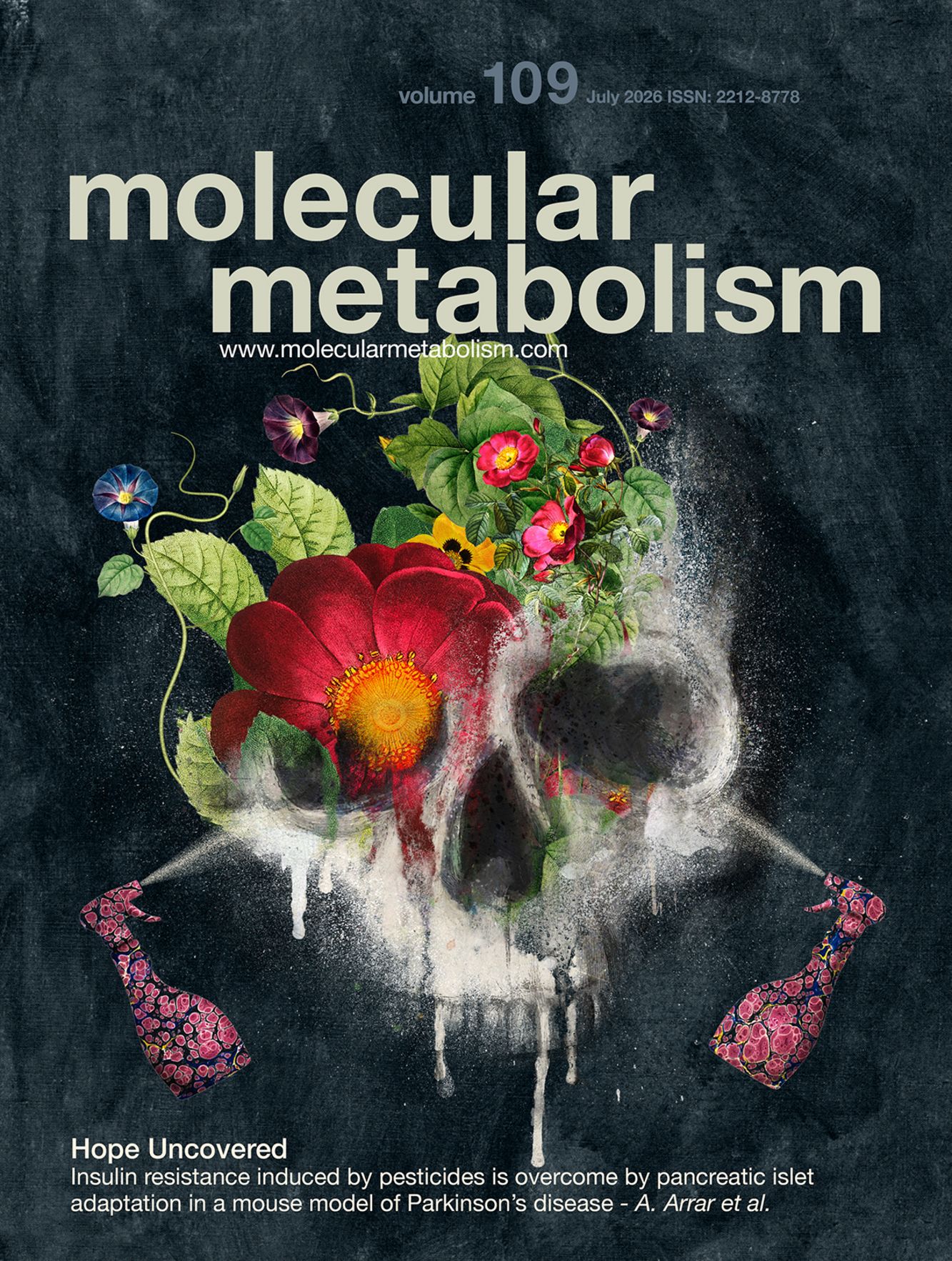
Cover Story Current Issue

Glucose is a ubiquitous and essential source of energy for all living organisms. Although mammals have evolved ways to convert other nutritional molecules to ATP, the preference for dietary glucose appears to be preserved. In rodents, the immediate detection of ingested glucose potently reinforces intake, hierarchically organizing behaviors towards glucose-yielding substances, and away from other types of food including other sugars. Taste is the primary sense linked to nutrient selection. Until recently, it was thought that most mammalian species utilize a single broadly tuned receptor to detect all simple sugars. Indeed, this “sweet” receptor, which comprises a heterodimer of the T1R2 and T1R3 proteins, binds multiple natural sugars (e.g., glucose, fructose, sucrose, maltose), as well as various other chemicals that yield little to no energy (e.g., low calorie sweeteners, sugar alcohols) and some d-amino acids. The neural signal originating from the sweet receptor is hardwired into brain circuits that drive eating and drinking behaviors, but it is an unreliable indicator of nutrient quality and quantity.

Full text


Current Issue

The innate thermogenic capacity of brown adipose tissue develops independently of sympathetic signaling

Ethan C. Fein, Sarmistha Mukherjee, Joseph A. Baur, Patrick Seale

The innate thermogenic capacity of brown adipose tissue develops independently of sympathetic signaling

Brown adipose tissue (BAT) dissipates energy as heat in response to β-adrenergic signaling induced by the sympathetic nervous system (SNS). While this pathway is essential for the cold-induced remodeling and metabolic activity of BAT, its role in developmental programming is unclear. Here, we show that brown adipocytes acquire thermogenic identity during embryogenesis independently of sympathetic innervation and β-adrenergic signaling. Genetic sympathectomy or disrupted β-adrenergic signaling had minimal effects on thermogenic gene expression or tissue morphology during either embryonic or postnatal BAT development in the absence of cold stress. Functional analyses revealed that the SNS is likely required for circulatory support of BAT activity during β-adrenergic stimulation but not for the development of the thermogenic capacity of BAT itself. These findings demonstrate that developmental and cold-responsive BAT remodeling are mechanistically distinct processes. Defining the molecular programs that drive BAT development may reveal new strategies to enhance BAT formation and function without relying on β-adrenergic stimulation.

Articles in Press

The innate thermogenic capacity of brown adipose tissue develops independently of sympathetic signaling

Ethan C. Fein, Sarmistha Mukherjee, Joseph A. Baur, Patrick Seale

The innate thermogenic capacity of brown adipose tissue develops independently of sympathetic signaling

Brown adipose tissue (BAT) dissipates energy as heat in response to β-adrenergic signaling induced by the sympathetic nervous system (SNS). While this pathway is essential for the cold-induced remodeling and metabolic activity of BAT, its role in developmental programming is unclear. Here, we show that brown adipocytes acquire thermogenic identity during embryogenesis independently of sympathetic innervation and β-adrenergic signaling. Genetic sympathectomy or disrupted β-adrenergic signaling had minimal effects on thermogenic gene expression or tissue morphology during either embryonic or postnatal BAT development in the absence of cold stress. Functional analyses revealed that the SNS is likely required for circulatory support of BAT activity during β-adrenergic stimulation but not for the development of the thermogenic capacity of BAT itself. These findings demonstrate that developmental and cold-responsive BAT remodeling are mechanistically distinct processes. Defining the molecular programs that drive BAT development may reveal new strategies to enhance BAT formation and function without relying on β-adrenergic stimulation.

SAVE THE DATE!

13th
Helmholtz Diabetes Conference 

Munich, 21-23. Sep 2026

2024 impact factor: 6.6

You are what you eat

Here is a video of Vimeo. When the iframes is activated, a connection to Vimeo is established and, if necessary, cookies from Vimeo are also used. For further information on cookies policy click here.

Auf Werbeinhalte, die vor, während oder nach Videos von WEBSITE-URL eingeblendet werden, hat WEBSITE-URL keinen Einfluss. Wir übernehmen keine Gewähr für diese Inhalte. Weitere Informationen finden Sie hier.