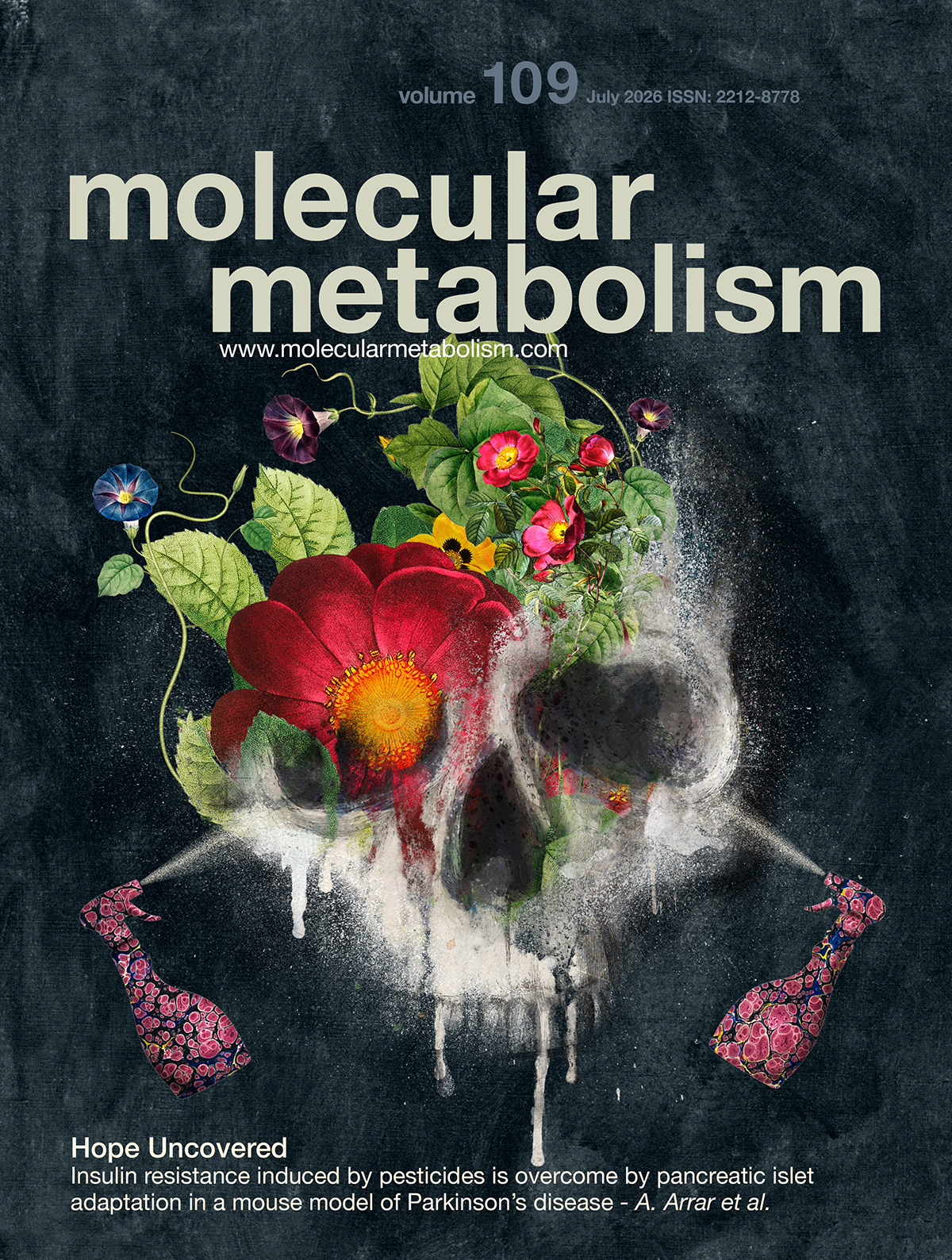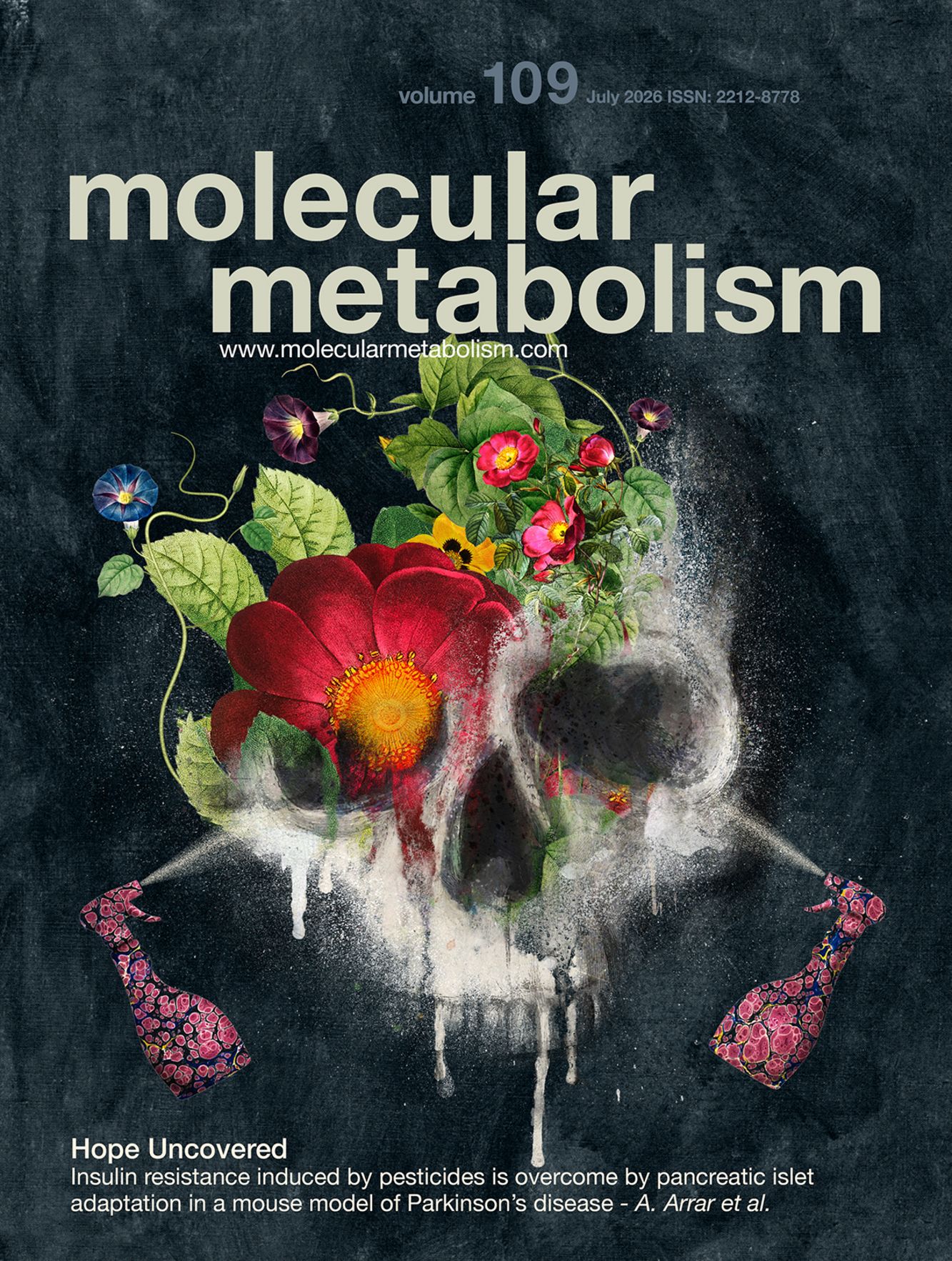
Cover Story Current Issue

Glucose is a ubiquitous and essential source of energy for all living organisms. Although mammals have evolved ways to convert other nutritional molecules to ATP, the preference for dietary glucose appears to be preserved. In rodents, the immediate detection of ingested glucose potently reinforces intake, hierarchically organizing behaviors towards glucose-yielding substances, and away from other types of food including other sugars. Taste is the primary sense linked to nutrient selection. Until recently, it was thought that most mammalian species utilize a single broadly tuned receptor to detect all simple sugars. Indeed, this “sweet” receptor, which comprises a heterodimer of the T1R2 and T1R3 proteins, binds multiple natural sugars (e.g., glucose, fructose, sucrose, maltose), as well as various other chemicals that yield little to no energy (e.g., low calorie sweeteners, sugar alcohols) and some d-amino acids. The neural signal originating from the sweet receptor is hardwired into brain circuits that drive eating and drinking behaviors, but it is an unreliable indicator of nutrient quality and quantity.

Full text


Current Issue

Gut hormone signaling drives sex differences in metabolism and behavior

Olga Kubrak, Alina Malita, Nadja Ahrentløv, Stanislav Nagy, ... Kim Rewitz

Gut hormone signaling drives sex differences in metabolism and behavior


Males and females have different physiological and reproductive demands and consequently exhibit widespread differences in metabolism and behavior. One of the most consistent differences across animals is that females store more body fat than males, a metabolic trait conserved from flies to humans. Given the central role of gut hormones in energy balance, we asked whether gut endocrine signaling underlies these sex differences. We therefore performed a multidimensional screen of enteroendocrine cell (EEC)-derived signaling across a broad panel of metabolic and behavioral traits in male and female Drosophila. Here, we uncover extensive sex-biased roles for EEC-derived signals – many of which are conserved in mammals – in energy storage, stress resistance, feeding, and sleep. We find that EEC-derived amidated peptide hormones sustain female-typical states, including elevated fat reserves, enhanced stress resilience, and protein-biased food choice. In contrast, the non-amidated peptide Allatostatin C (AstC) promotes male-like traits by stimulating energy mobilization, thereby antagonizing amidated-peptide function. Female guts contain more AstC-positive EECs. Disruption of peptide amidation by eliminating peptidylglycine α-hydroxylating monooxygenase – the enzyme required for maturation of most gut peptide hormones – abolished female-typical physiology and behavior, shifting females toward a male-like state. Among individual amidated peptides, Diuretic hormone 31 (Dh31) and Neuropeptide F (NPF) emerged as key mediators of female physiology. These findings establish gut hormone signaling as a determinant of sex-specific metabolic and behavioral states.

  •  


Articles in Press

Gut hormone signaling drives sex differences in metabolism and behavior

Olga Kubrak, Alina Malita, Nadja Ahrentløv, Stanislav Nagy, ... Kim Rewitz

Gut hormone signaling drives sex differences in metabolism and behavior


Males and females have different physiological and reproductive demands and consequently exhibit widespread differences in metabolism and behavior. One of the most consistent differences across animals is that females store more body fat than males, a metabolic trait conserved from flies to humans. Given the central role of gut hormones in energy balance, we asked whether gut endocrine signaling underlies these sex differences. We therefore performed a multidimensional screen of enteroendocrine cell (EEC)-derived signaling across a broad panel of metabolic and behavioral traits in male and female Drosophila. Here, we uncover extensive sex-biased roles for EEC-derived signals – many of which are conserved in mammals – in energy storage, stress resistance, feeding, and sleep. We find that EEC-derived amidated peptide hormones sustain female-typical states, including elevated fat reserves, enhanced stress resilience, and protein-biased food choice. In contrast, the non-amidated peptide Allatostatin C (AstC) promotes male-like traits by stimulating energy mobilization, thereby antagonizing amidated-peptide function. Female guts contain more AstC-positive EECs. Disruption of peptide amidation by eliminating peptidylglycine α-hydroxylating monooxygenase – the enzyme required for maturation of most gut peptide hormones – abolished female-typical physiology and behavior, shifting females toward a male-like state. Among individual amidated peptides, Diuretic hormone 31 (Dh31) and Neuropeptide F (NPF) emerged as key mediators of female physiology. These findings establish gut hormone signaling as a determinant of sex-specific metabolic and behavioral states.

  •  


SAVE THE DATE!

13th
Helmholtz Diabetes Conference 

Munich, 21-23. Sep 2026

2024 impact factor: 6.6

You are what you eat

Here is a video of Vimeo. When the iframes is activated, a connection to Vimeo is established and, if necessary, cookies from Vimeo are also used. For further information on cookies policy click here.

Auf Werbeinhalte, die vor, während oder nach Videos von WEBSITE-URL eingeblendet werden, hat WEBSITE-URL keinen Einfluss. Wir übernehmen keine Gewähr für diese Inhalte. Weitere Informationen finden Sie hier.