
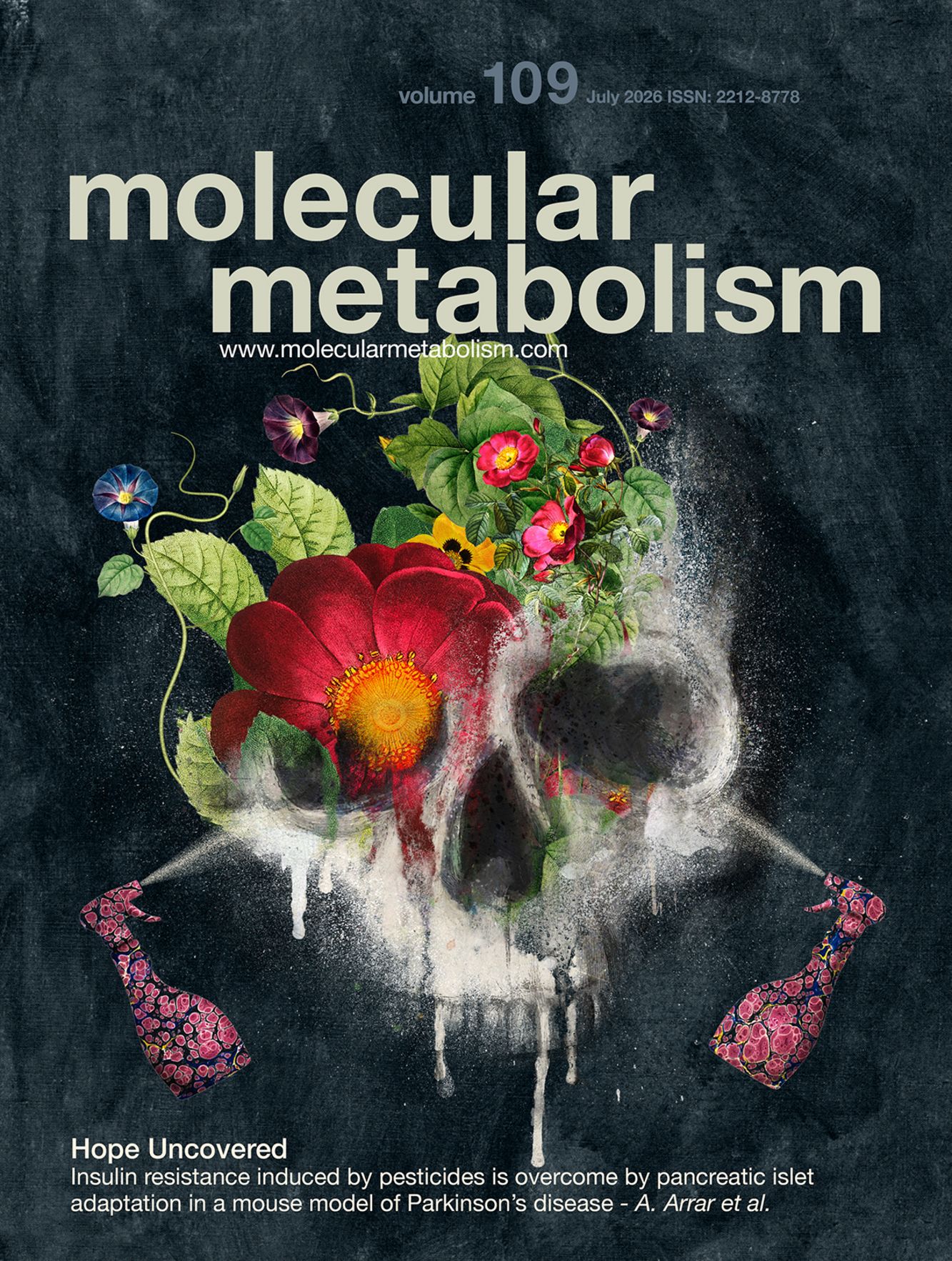


Cover Story Current Issue
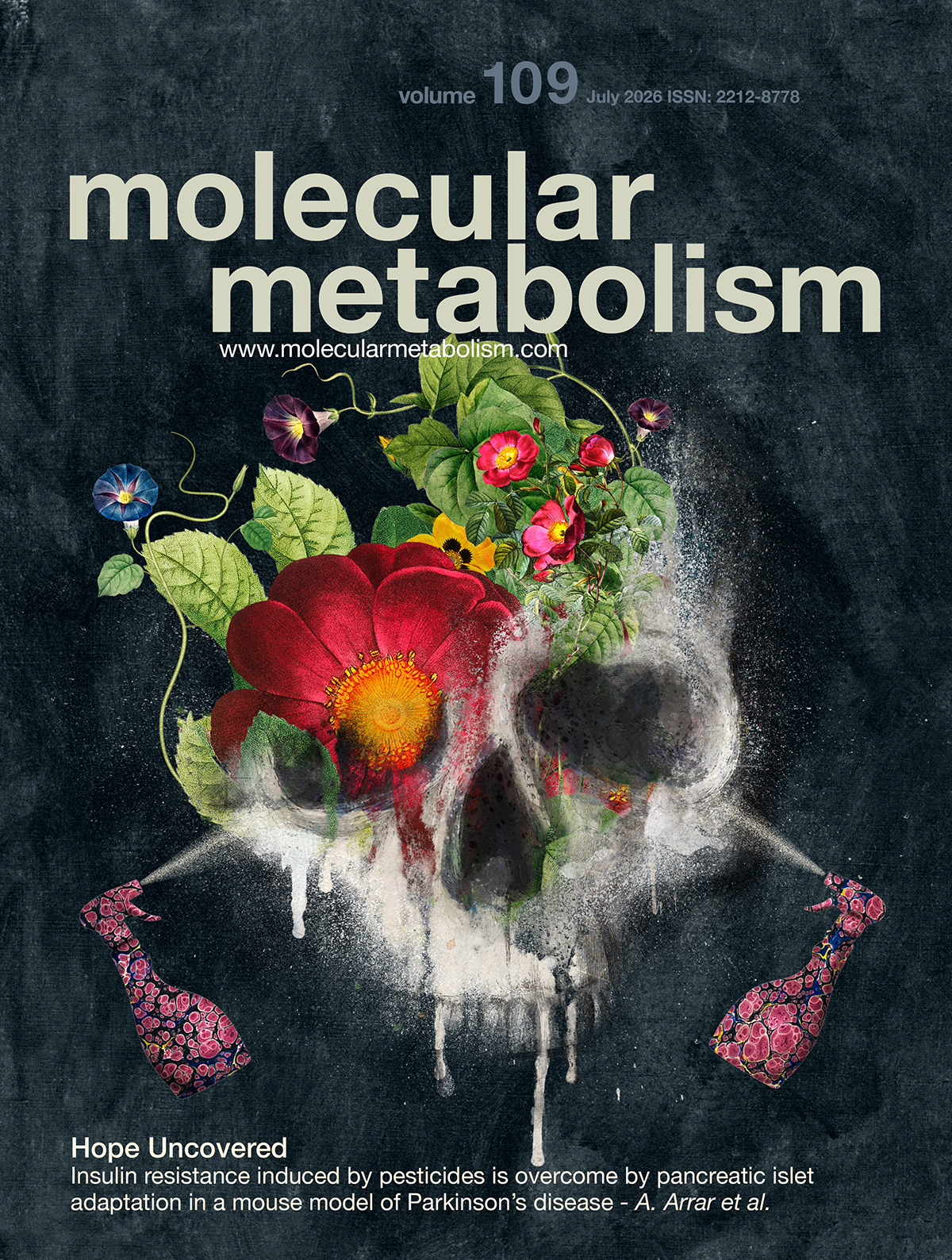
Epidemiological evidences provide proof of concept that certain pesticides are involved in metabolic disorders, but also in the pathophysiology of Parkinson's disease (PD). In addition, large prospective cohort studies reported that type 2 diabetes (T2D) and PD are epidemiologically associated, including an elevated risk of developing PD in patients with T2D.
Current Issue
Loss of GLP-2R signaling in Glp2r−/− mice increases the long-term severity of graft versus host disease

Loss of GLP-2R signaling in Glp2r−/− mice increases the long-term severity of graft versus host disease
Background
Glucagon-like peptide-2 (GLP-2) reduces systemic and gut inflammation while preserving mucosal integrity. Preclinical and clinical reports implicate GLP-2 receptor (GLP-2R) agonism as a potential therapy for graft vs. host disease (GvHD).
Methods
Here we assessed whether enhanced vs. loss of GLP-2R signaling modifies gut injury and inflammation in experimental murine acute GvHD (aGvHD). Allogeneic hematopoietic cell transplantation (HCT) was performed using bone marrow and splenocytes from BALB/cJ donor mice to induce aGvHD in C57BL/6J recipients. Chimerism was determined by flow cytometry of immune cell compartments. Inflammation was assessed by measuring circulating cytokines and histological scoring of gut mucosal damage. GLP-2 responsivity was assessed using histology and gene expression analyses. The gut microbiome was assessed by 16S rRNA sequencing.
Results
Allogeneic chimerism was >90% in peripheral blood and in the gut epithelial compartment. Gut GLP-2R signaling was preserved following allogeneic bone marrow transplantation. Surprisingly, GLP-2R agonism using teduglutide did not reduce circulating cytokines, gut injury, immune cell infiltration or the severity of aGvHD. In contrast, transplant recipient Glp2r−/− mice exhibited reduced survival, associated with increased bacteremia. Shifts in microbial species abundance with gain or loss of GLP-2R signaling were not correlated with aGvHD clinical outcomes.
Conclusions
Activation of GLP-2R signaling did not reduce the severity of experimental aGvHD, failing to replicate a previous study using an identical aGvHD protocol. Nevertheless, loss of GLP-2R signaling in transplant recipients decreased survival and increased bacteremia, implicating an essential role for endogenous GLP-2R signaling in maintaining barrier function in the context of immune-mediated gut epithelial injury.
Articles in Press
Loss of GLP-2R signaling in Glp2r−/− mice increases the long-term severity of graft versus host disease
Loss of GLP-2R signaling in Glp2r−/− mice increases the long-term severity of graft versus host disease
Background
Glucagon-like peptide-2 (GLP-2) reduces systemic and gut inflammation while preserving mucosal integrity. Preclinical and clinical reports implicate GLP-2 receptor (GLP-2R) agonism as a potential therapy for graft vs. host disease (GvHD).
Methods
Here we assessed whether enhanced vs. loss of GLP-2R signaling modifies gut injury and inflammation in experimental murine acute GvHD (aGvHD). Allogeneic hematopoietic cell transplantation (HCT) was performed using bone marrow and splenocytes from BALB/cJ donor mice to induce aGvHD in C57BL/6J recipients. Chimerism was determined by flow cytometry of immune cell compartments. Inflammation was assessed by measuring circulating cytokines and histological scoring of gut mucosal damage. GLP-2 responsivity was assessed using histology and gene expression analyses. The gut microbiome was assessed by 16S rRNA sequencing.
Results
Allogeneic chimerism was >90% in peripheral blood and in the gut epithelial compartment. Gut GLP-2R signaling was preserved following allogeneic bone marrow transplantation. Surprisingly, GLP-2R agonism using teduglutide did not reduce circulating cytokines, gut injury, immune cell infiltration or the severity of aGvHD. In contrast, transplant recipient Glp2r−/− mice exhibited reduced survival, associated with increased bacteremia. Shifts in microbial species abundance with gain or loss of GLP-2R signaling were not correlated with aGvHD clinical outcomes.
Conclusions
Activation of GLP-2R signaling did not reduce the severity of experimental aGvHD, failing to replicate a previous study using an identical aGvHD protocol. Nevertheless, loss of GLP-2R signaling in transplant recipients decreased survival and increased bacteremia, implicating an essential role for endogenous GLP-2R signaling in maintaining barrier function in the context of immune-mediated gut epithelial injury.
Registration & Abstract Submission are open!

13th
Helmholtz Diabetes Conference
Munich, 21-23. Sep 2026

2024 impact factor: 6.6
You are what you eat
Here is a video of Vimeo. When the iframes is activated, a connection to Vimeo is established and, if necessary, cookies from Vimeo are also used. For further information on cookies policy click here.