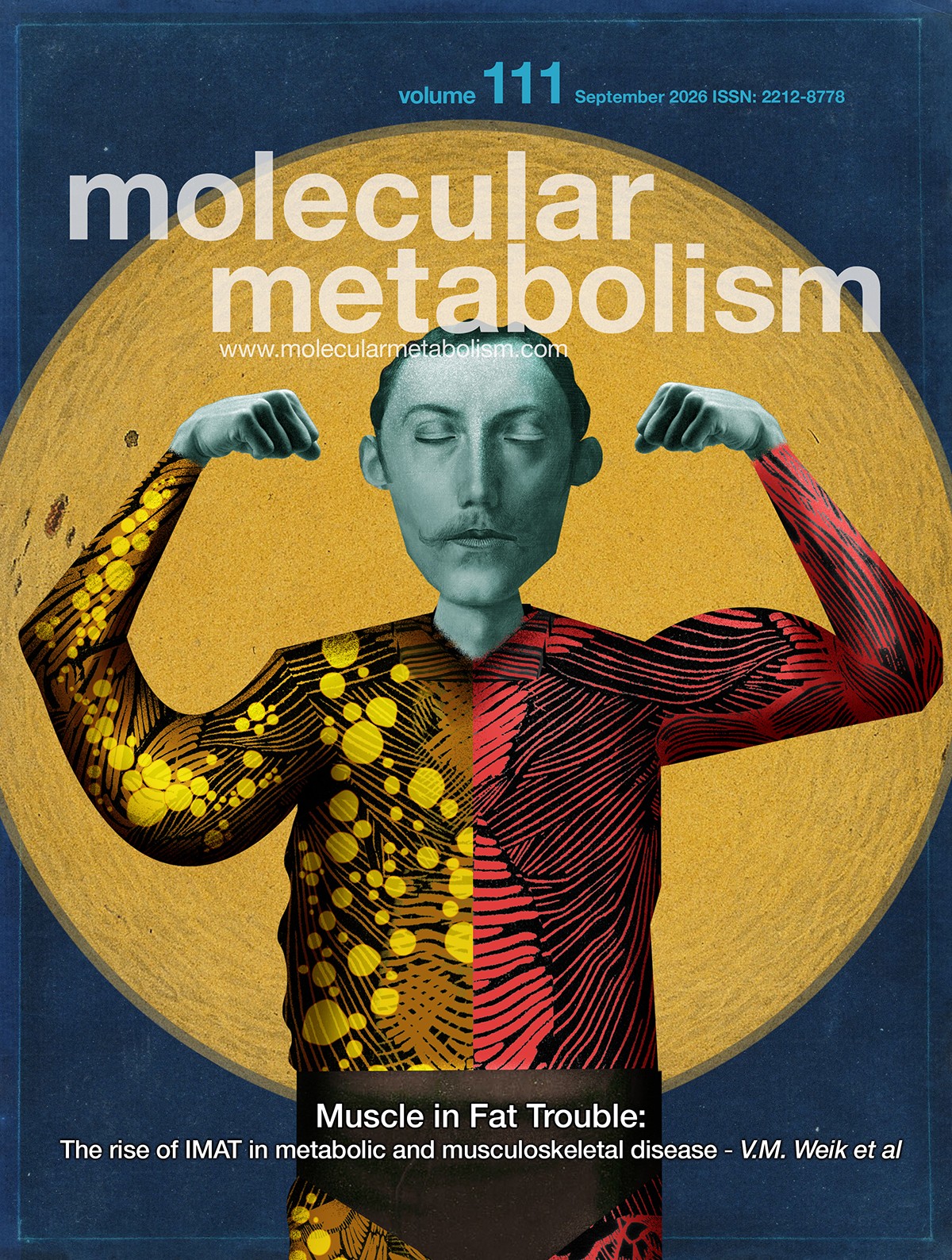
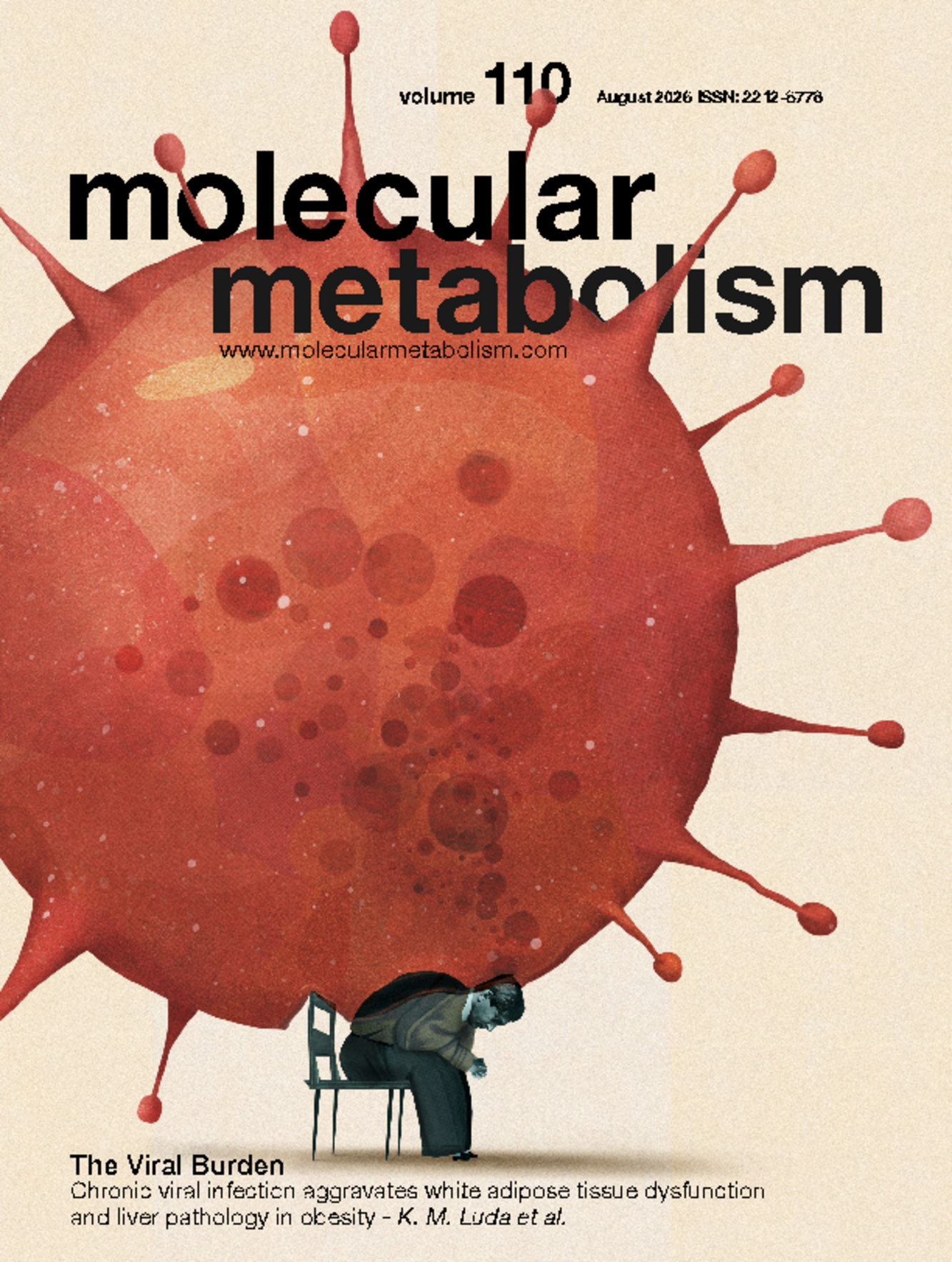
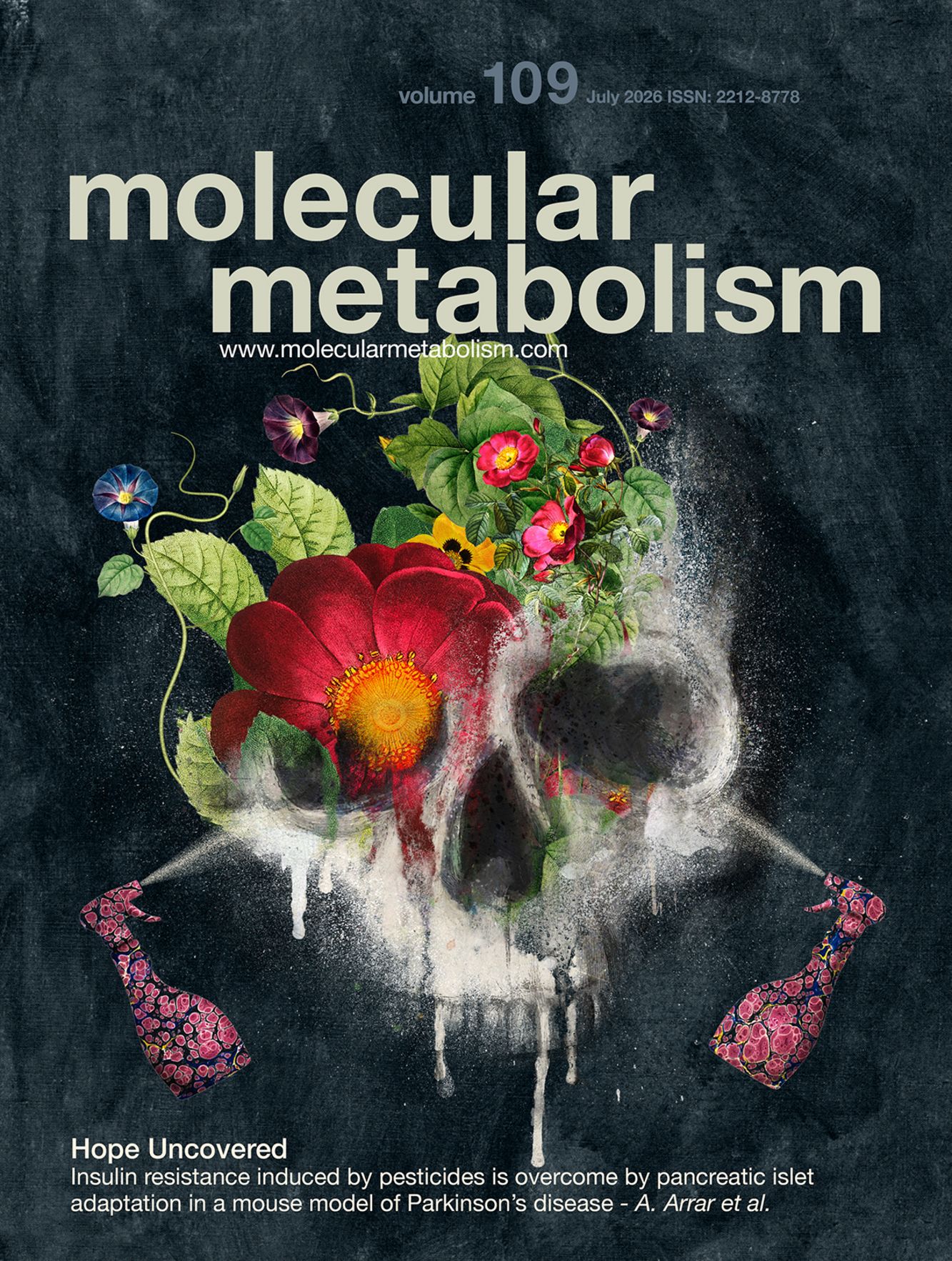
Cover Story Current Issue

Glucose is a ubiquitous and essential source of energy for all living organisms. Although mammals have evolved ways to convert other nutritional molecules to ATP, the preference for dietary glucose appears to be preserved. In rodents, the immediate detection of ingested glucose potently reinforces intake, hierarchically organizing behaviors towards glucose-yielding substances, and away from other types of food including other sugars. Taste is the primary sense linked to nutrient selection. Until recently, it was thought that most mammalian species utilize a single broadly tuned receptor to detect all simple sugars. Indeed, this “sweet” receptor, which comprises a heterodimer of the T1R2 and T1R3 proteins, binds multiple natural sugars (e.g., glucose, fructose, sucrose, maltose), as well as various other chemicals that yield little to no energy (e.g., low calorie sweeteners, sugar alcohols) and some d-amino acids. The neural signal originating from the sweet receptor is hardwired into brain circuits that drive eating and drinking behaviors, but it is an unreliable indicator of nutrient quality and quantity.

Full text


Current Issue

Glycolytic activation of β-cell Na+/K+-ATPases containing β1-subunits accelerates Na+ extrusion, prolonging the duration of Ca2+ oscillations but decreasing insulin secretion

Matthew T. Dickerson, Prasanna K. Dadi, Reagan P. McDevitt, Jordyn R. Dobson, ... David A. Jacobson

Comparative transcriptomics of lateral hypothalamic cell types reveals conserved growth hormone-tachykinin dynamics in feeding

Electrogenic Na+/K+ ATPases (NKAs) control β-cell Ca2+ influx and insulin secretion by integrating the signal strength of stimulatory G protein (Gs)-coupled ligands (e.g., GLP-1, glucagon) and inhibitory G protein (Gi)-coupled ligands (e.g., somatostatin, epinephrine). However, there is a significant gap in our understanding of how specific NKA subunits contribute to β-cell function. Here, we demonstrate that the NKA β1-subunit (NKAβ1) is highly expressed and functional at the plasma membrane of mouse and human β-cells. β-cell-specific NKAβ1 knockout improves glucose tolerance and hepatic insulin sensitivity, coinciding with enhanced first- and second-phase glucose-stimulated insulin secretion (GSIS). Electrophysiological studies reveal that β-cell NKAβ1 enhances somatostatin-induced NKA currents, increases action potential afterhyperpolarization amplitude, and accelerates action potential frequency. Loss of NKAβ1 delays glucose-stimulated Ca2+ entry by impairing glycolysis-dependent NKA activation and reduces Na+ clearance efficiency during Ca2+ oscillations, resulting in prolonged silent phases. Thus, glycolytic stimulation of Na+ influx dictates silent phase duration via the kinetics of Na+ clearance by NKA, which is diminished in β-cells without NKAβ1. Furthermore, NKAβ1 differentially modulates β-cell G protein-coupled receptor (GPCR) signaling by attenuating Gi-GPCR effects and augmenting Gs-coupled GLP-1 receptor-mediated cAMP production and Ca2+ entry. β-cell NKAβ1 knockdown in human pseudoislets led to tonically elevated intracellular Ca2+ and increased insulin secretion. These findings establish NKAβ1-containing NKA complexes as critical regulators of β-cell electrical activity, Ca2+ oscillations, and secretory patterns, with direct consequences for systemic glucose homeostasis.

Articles in Press

Glycolytic activation of β-cell Na+/K+-ATPases containing β1-subunits accelerates Na+ extrusion, prolonging the duration of Ca2+ oscillations but decreasing insulin secretion

Matthew T. Dickerson, Prasanna K. Dadi, Reagan P. McDevitt, Jordyn R. Dobson, ... David A. Jacobson

Comparative transcriptomics of lateral hypothalamic cell types reveals conserved growth hormone-tachykinin dynamics in feeding

Electrogenic Na+/K+ ATPases (NKAs) control β-cell Ca2+ influx and insulin secretion by integrating the signal strength of stimulatory G protein (Gs)-coupled ligands (e.g., GLP-1, glucagon) and inhibitory G protein (Gi)-coupled ligands (e.g., somatostatin, epinephrine). However, there is a significant gap in our understanding of how specific NKA subunits contribute to β-cell function. Here, we demonstrate that the NKA β1-subunit (NKAβ1) is highly expressed and functional at the plasma membrane of mouse and human β-cells. β-cell-specific NKAβ1 knockout improves glucose tolerance and hepatic insulin sensitivity, coinciding with enhanced first- and second-phase glucose-stimulated insulin secretion (GSIS). Electrophysiological studies reveal that β-cell NKAβ1 enhances somatostatin-induced NKA currents, increases action potential afterhyperpolarization amplitude, and accelerates action potential frequency. Loss of NKAβ1 delays glucose-stimulated Ca2+ entry by impairing glycolysis-dependent NKA activation and reduces Na+ clearance efficiency during Ca2+ oscillations, resulting in prolonged silent phases. Thus, glycolytic stimulation of Na+ influx dictates silent phase duration via the kinetics of Na+ clearance by NKA, which is diminished in β-cells without NKAβ1. Furthermore, NKAβ1 differentially modulates β-cell G protein-coupled receptor (GPCR) signaling by attenuating Gi-GPCR effects and augmenting Gs-coupled GLP-1 receptor-mediated cAMP production and Ca2+ entry. β-cell NKAβ1 knockdown in human pseudoislets led to tonically elevated intracellular Ca2+ and increased insulin secretion. These findings establish NKAβ1-containing NKA complexes as critical regulators of β-cell electrical activity, Ca2+ oscillations, and secretory patterns, with direct consequences for systemic glucose homeostasis.

SAVE THE DATE!

13th
Helmholtz Diabetes Conference 

Munich, 21-23. Sep 2026

2024 impact factor: 6.6

You are what you eat

Here is a video of Vimeo. When the iframes is activated, a connection to Vimeo is established and, if necessary, cookies from Vimeo are also used. For further information on cookies policy click here.

Auf Werbeinhalte, die vor, während oder nach Videos von WEBSITE-URL eingeblendet werden, hat WEBSITE-URL keinen Einfluss. Wir übernehmen keine Gewähr für diese Inhalte. Weitere Informationen finden Sie hier.