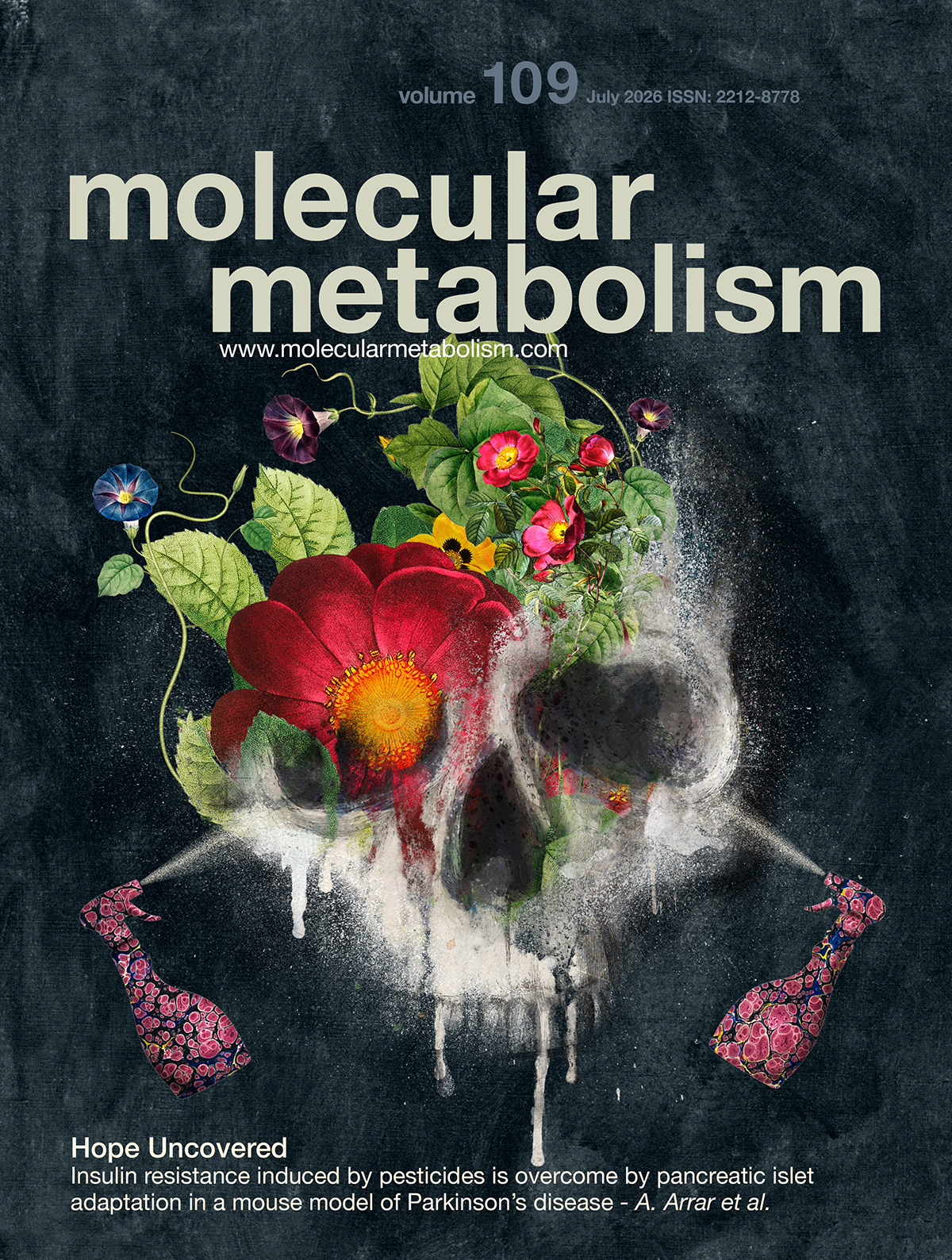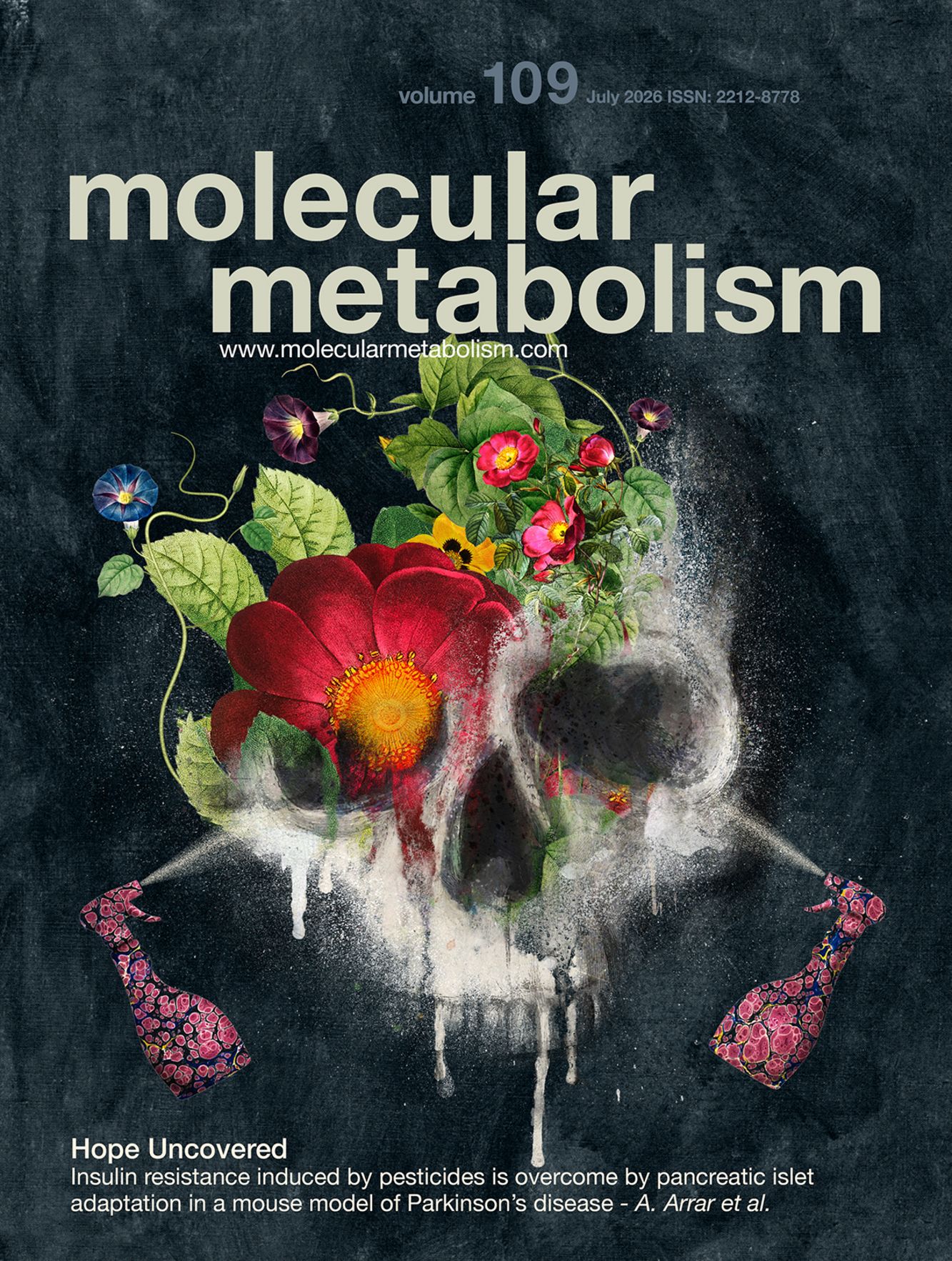
Cover Story Current Issue

Glucose is a ubiquitous and essential source of energy for all living organisms. Although mammals have evolved ways to convert other nutritional molecules to ATP, the preference for dietary glucose appears to be preserved. In rodents, the immediate detection of ingested glucose potently reinforces intake, hierarchically organizing behaviors towards glucose-yielding substances, and away from other types of food including other sugars. Taste is the primary sense linked to nutrient selection. Until recently, it was thought that most mammalian species utilize a single broadly tuned receptor to detect all simple sugars. Indeed, this “sweet” receptor, which comprises a heterodimer of the T1R2 and T1R3 proteins, binds multiple natural sugars (e.g., glucose, fructose, sucrose, maltose), as well as various other chemicals that yield little to no energy (e.g., low calorie sweeteners, sugar alcohols) and some d-amino acids. The neural signal originating from the sweet receptor is hardwired into brain circuits that drive eating and drinking behaviors, but it is an unreliable indicator of nutrient quality and quantity.

Full text


Current Issue

The impact of gut-liver-derived mediators on the organ crosstalk with brain, heart, and kidney: A systematic review

Shruti Bhargava, Zhuangting Rao, Raymond Vanholder, Frank Tacke, ... Joachim Jankowski

The impact of gut-liver-derived mediators on the organ crosstalk with brain, heart, and kidney: A systematic review

Introduction

The current understanding of interactions and crosstalk among essential organs remains incomplete, mainly due to the limitations of studies on the systemic mechanisms at play. The gut and the liver are essential for the functioning of the entire body, and their derived mediators circulate through blood or lymph, impacting other organs like the brain, heart, and kidneys.

Aim

This publication reviews gut-liver-derived mediators, which were tested and validated in vivo in humans and rodents, together with the current knowledge of their systemic effects on key vital organs.

Method

Original articles published up to February 2025, based on clinical trials or in vivo experimental models, were retrieved from PubMed and Web of Science.

Results

During this systematic analysis, 28 gut-liver-derived mediators were identified from 52 publications and classified into five distinct groups based on their molecular characteristics: (a) low molecular weight metabolites, (b) endotoxins, (c) hormones, (d) lipids and (e) proteins. Additionally, the mechanism of action for each of these molecules was specified, aimed at providing a mechanistic overview of their effects on the brain, heart, and kidneys.

Discussion

The diverse and occasionally conflicting impact of the identified mediators on comorbidities necessitates further investigations pinpointing key mechanisms influencing disease genesis and progression.

Conclusion

Our research shows the necessity of a thorough examination of these mediators, exploring their diagnostic and therapeutic potential in a holistic multi-organ setting, to elucidate inter-organ crosstalk.

Articles in Press

The impact of gut-liver-derived mediators on the organ crosstalk with brain, heart, and kidney: A systematic review

Shruti Bhargava, Zhuangting Rao, Raymond Vanholder, Frank Tacke, ... Joachim Jankowski

The impact of gut-liver-derived mediators on the organ crosstalk with brain, heart, and kidney: A systematic review

Introduction

The current understanding of interactions and crosstalk among essential organs remains incomplete, mainly due to the limitations of studies on the systemic mechanisms at play. The gut and the liver are essential for the functioning of the entire body, and their derived mediators circulate through blood or lymph, impacting other organs like the brain, heart, and kidneys.

Aim

This publication reviews gut-liver-derived mediators, which were tested and validated in vivo in humans and rodents, together with the current knowledge of their systemic effects on key vital organs.

Method

Original articles published up to February 2025, based on clinical trials or in vivo experimental models, were retrieved from PubMed and Web of Science.

Results

During this systematic analysis, 28 gut-liver-derived mediators were identified from 52 publications and classified into five distinct groups based on their molecular characteristics: (a) low molecular weight metabolites, (b) endotoxins, (c) hormones, (d) lipids and (e) proteins. Additionally, the mechanism of action for each of these molecules was specified, aimed at providing a mechanistic overview of their effects on the brain, heart, and kidneys.

Discussion

The diverse and occasionally conflicting impact of the identified mediators on comorbidities necessitates further investigations pinpointing key mechanisms influencing disease genesis and progression.

Conclusion

Our research shows the necessity of a thorough examination of these mediators, exploring their diagnostic and therapeutic potential in a holistic multi-organ setting, to elucidate inter-organ crosstalk.

SAVE THE DATE!

13th
Helmholtz Diabetes Conference 

Munich, 21-23. Sep 2026

2024 impact factor: 6.6

You are what you eat

Here is a video of Vimeo. When the iframes is activated, a connection to Vimeo is established and, if necessary, cookies from Vimeo are also used. For further information on cookies policy click here.

Auf Werbeinhalte, die vor, während oder nach Videos von WEBSITE-URL eingeblendet werden, hat WEBSITE-URL keinen Einfluss. Wir übernehmen keine Gewähr für diese Inhalte. Weitere Informationen finden Sie hier.