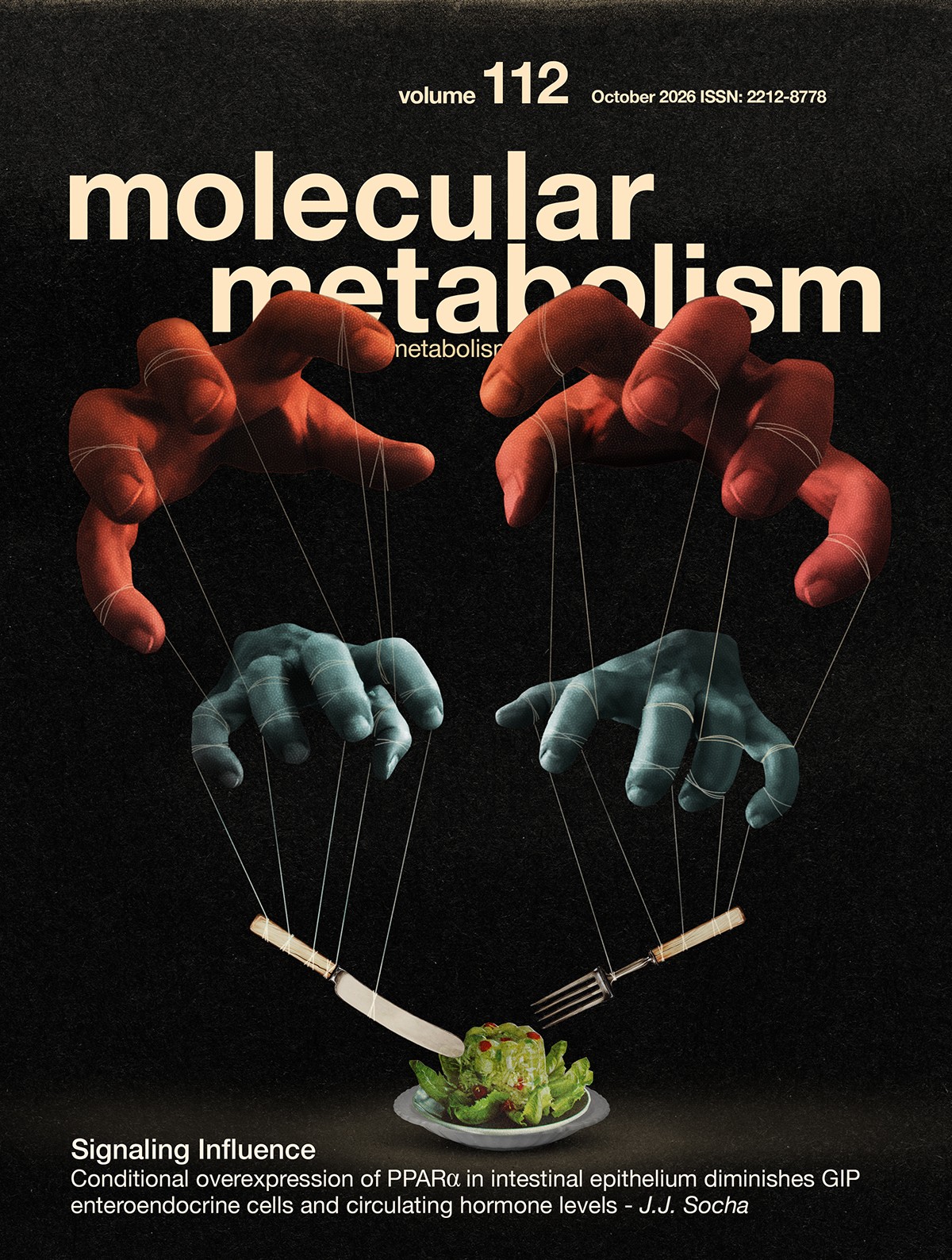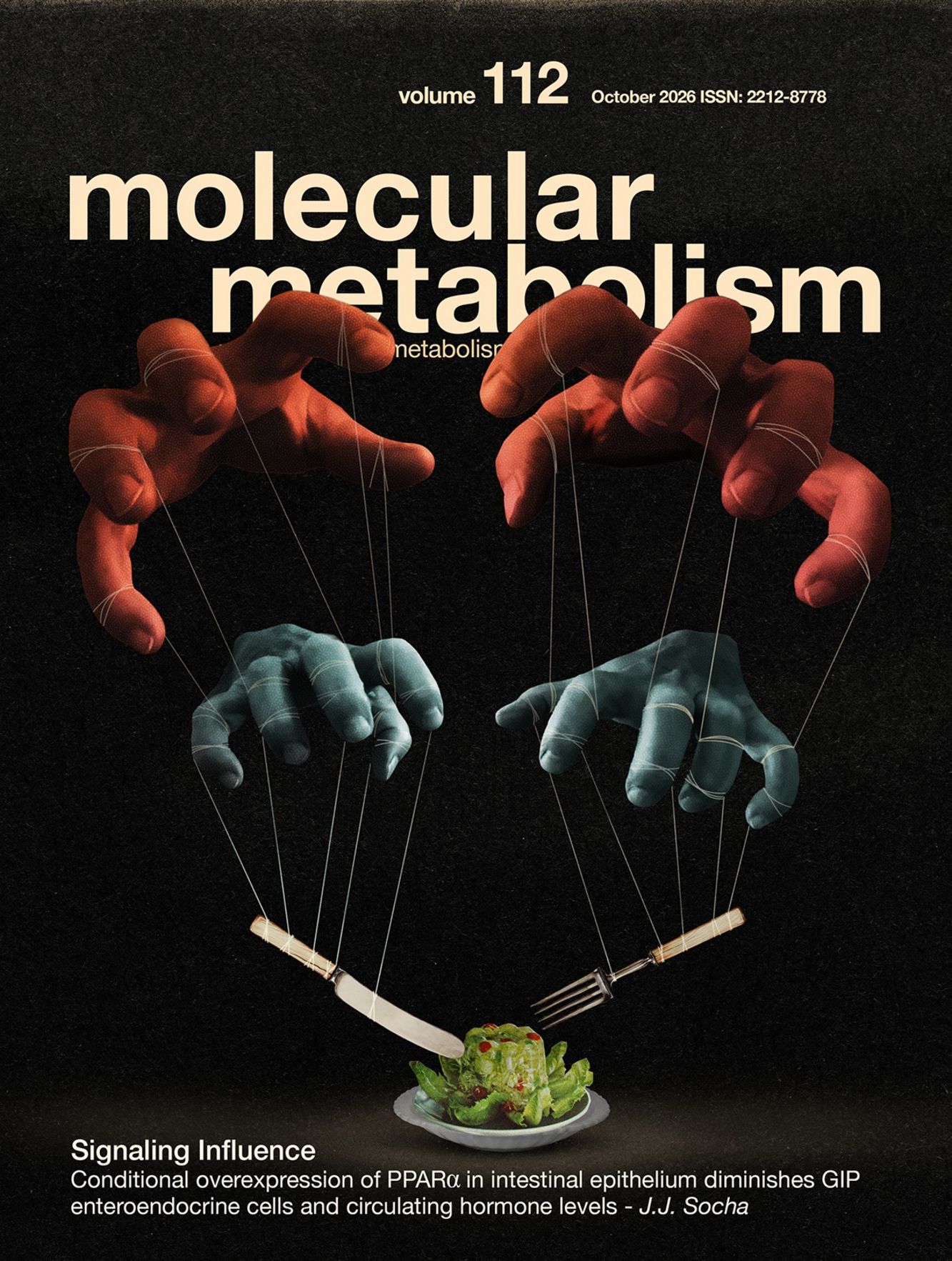
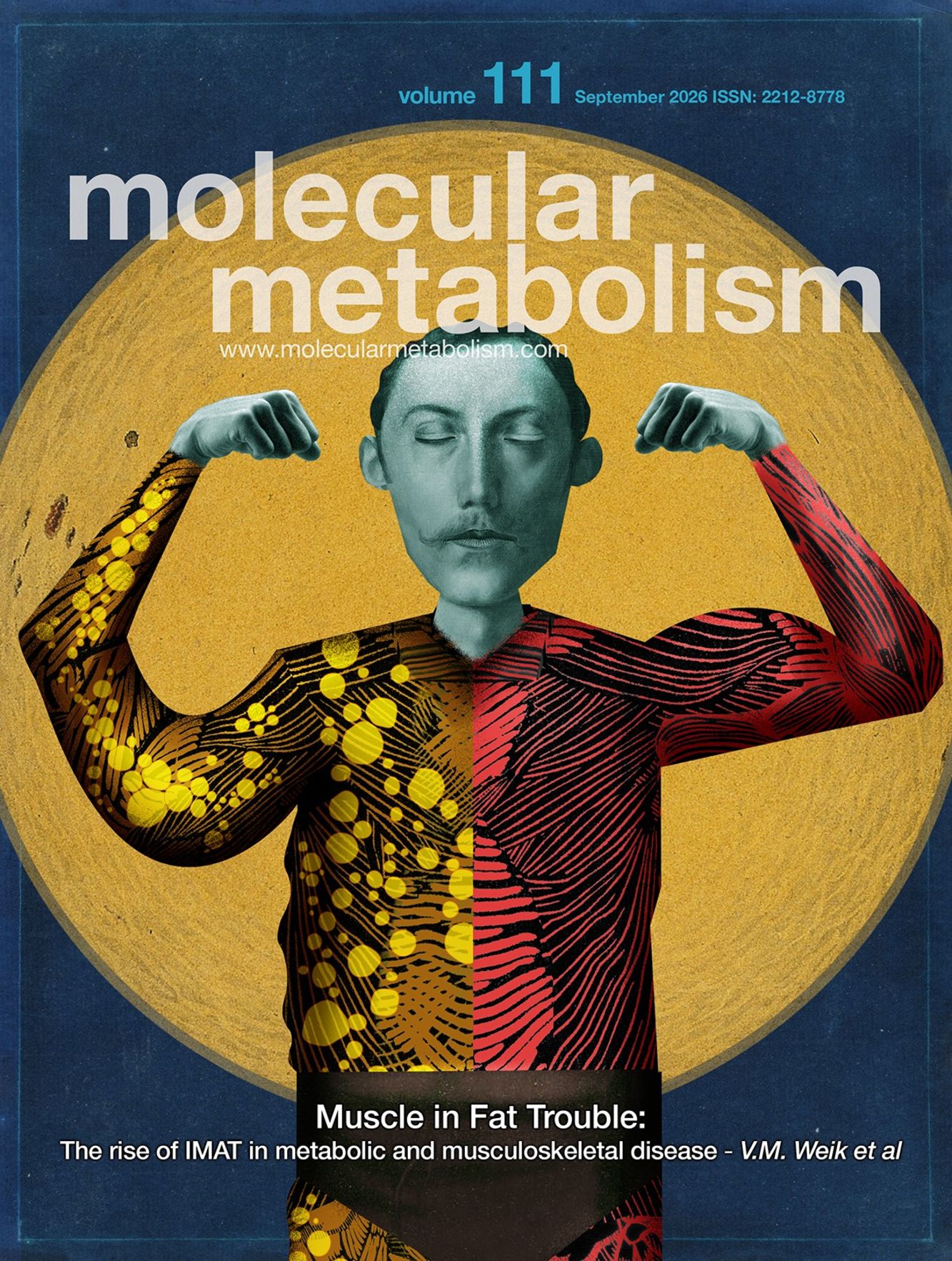
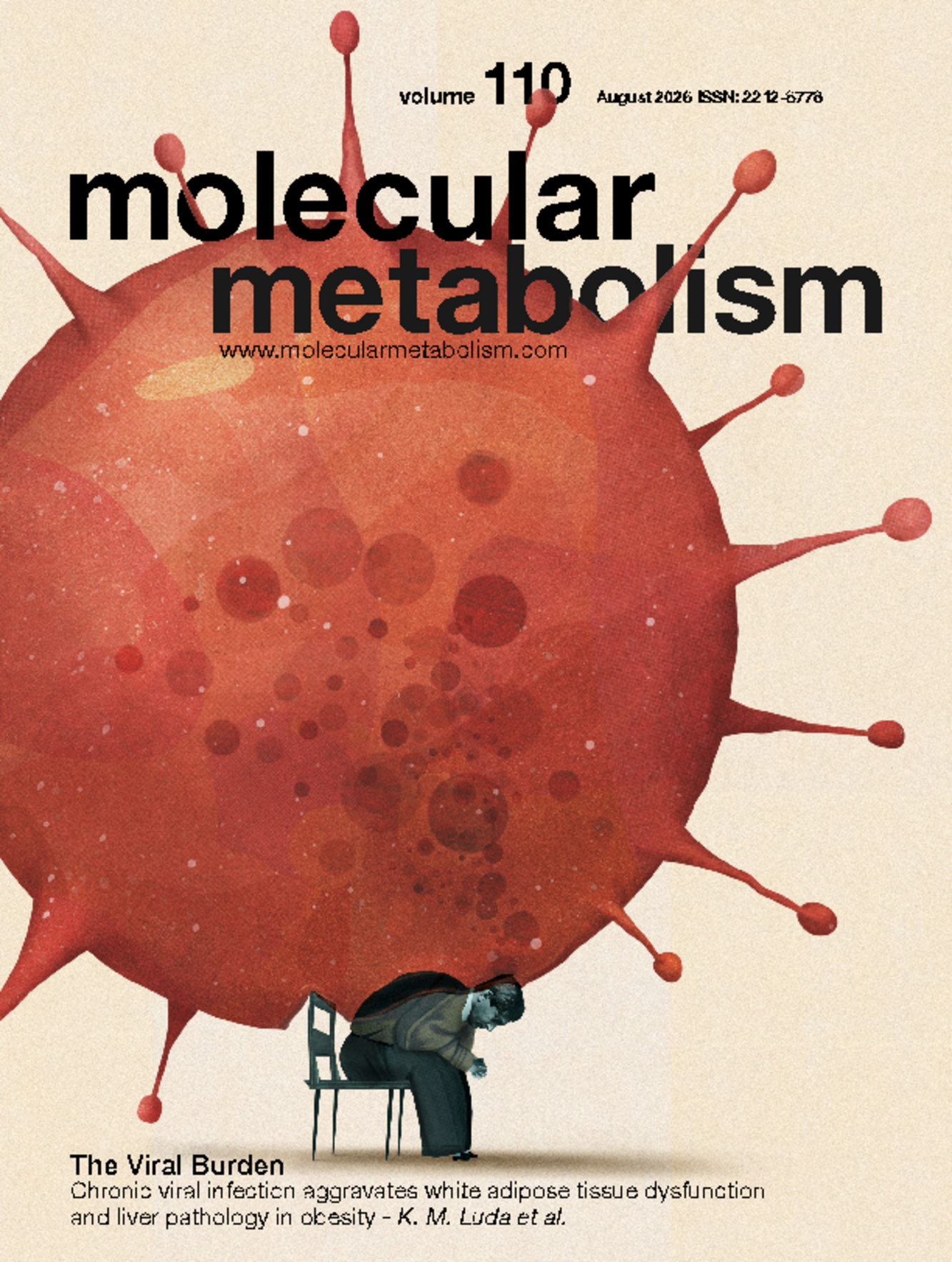
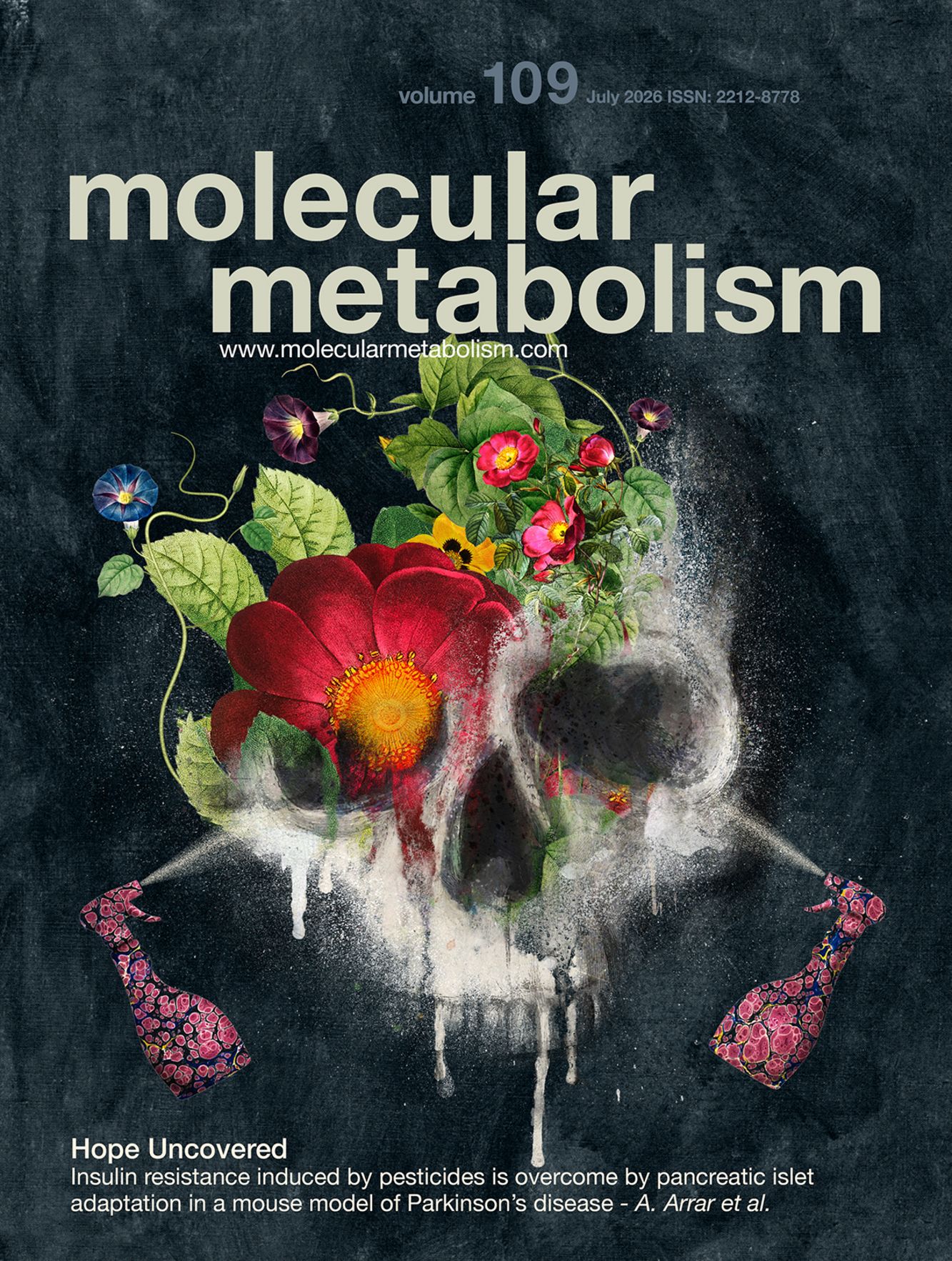
Cover Story Current Issue

Maternal nutrition exerts profound and lasting effects on infant development, with implications extending beyond somatic growth to long-term brain function and metabolic health. For example, newborns from mothers with obesity or diabetes exhibit increased susceptibility to metabolic disorders, including insulin resistance (IR) and type 2 diabetes (T2D), often emerging in childhood or adolescence. While genetic inheritance contributes to this intergenerational risk, early-life nutritional exposures are increasingly recognized as primary drivers of persistent metabolic programming. Among key classes of nutrients, branched-chain amino acids (BCAAs)—leucine, isoleucine, and valine—have emerged as potent modulators of metabolic health in human adults. Elevated circulating BCAAs are among the most accurate predictors of future insulin resistance (IR) and T2D, with a two-fold increase in serum levels conferring a 2.5-fold risk of diabetes onset within 6–10 years. This elevation can directly cause organ toxicity, exacerbating metabolic deficits in a feed-forward loop. However, the extent to which maternal BCAA overnutrition during gestation and lactation impacts offspring metabolic programming and predisposes to dysfunction remains unclear.

Full text


Current Issue

Deciphering tissue-specific protein regulation for insights into cardiometabolic disease

April E. Hartley, Katyayani Sukhavasi, Sile Hu, Matthew Traylor, ... Yalda Jamshidi

Deciphering tissue-specific protein regulation for insights into cardiometabolic disease

Understanding tissue-specific mechanisms of protein regulation gives crucial insights into cardiometabolic disease and informs drug discovery. Most proteomic studies have primarily concentrated on plasma, overlooking tissue-specific effects. Utilizing Olink technology, we assessed relative protein levels across plasma and tissue (aortic wall, mammary artery, liver, and skeletal muscle) from the STARNET cohort: 284 individuals with a high prevalence of coronary artery disease (CAD). We identified 608 cis protein quantitative trait loci (pQTLs), primarily in plasma, reflecting greater protein variability. Of 190 proteins with cis-pQTLs in non-plasma tissues, 50% also had plasma pQTLs, validating Olink technology in these tissues while reinforcing the relevance of plasma data for understanding protein regulation. To identify potential mechanistic pathways linking genetic variants to clinical traits, we performed Bayesian colocalization and Mendelian randomization. These analyses revealed shared genetic regulation between tissues at the gene expression and protein level, and key cardiometabolic traits including low-density lipoprotein (LDL), high-density lipoprotein (HDL), and triglycerides. Notably, analyses provide further support to SORT1 and PSRC1 gene and protein expression having liver-specific influences on CAD risk and lipid profiles. We also observed distinct genetic regulation of gene expression and protein within the same tissues, underscoring the value of tissue proteomics for therapeutic insights.

Articles in Press

Deciphering tissue-specific protein regulation for insights into cardiometabolic disease

April E. Hartley, Katyayani Sukhavasi, Sile Hu, Matthew Traylor, ... Yalda Jamshidi

Deciphering tissue-specific protein regulation for insights into cardiometabolic disease

Understanding tissue-specific mechanisms of protein regulation gives crucial insights into cardiometabolic disease and informs drug discovery. Most proteomic studies have primarily concentrated on plasma, overlooking tissue-specific effects. Utilizing Olink technology, we assessed relative protein levels across plasma and tissue (aortic wall, mammary artery, liver, and skeletal muscle) from the STARNET cohort: 284 individuals with a high prevalence of coronary artery disease (CAD). We identified 608 cis protein quantitative trait loci (pQTLs), primarily in plasma, reflecting greater protein variability. Of 190 proteins with cis-pQTLs in non-plasma tissues, 50% also had plasma pQTLs, validating Olink technology in these tissues while reinforcing the relevance of plasma data for understanding protein regulation. To identify potential mechanistic pathways linking genetic variants to clinical traits, we performed Bayesian colocalization and Mendelian randomization. These analyses revealed shared genetic regulation between tissues at the gene expression and protein level, and key cardiometabolic traits including low-density lipoprotein (LDL), high-density lipoprotein (HDL), and triglycerides. Notably, analyses provide further support to SORT1 and PSRC1 gene and protein expression having liver-specific influences on CAD risk and lipid profiles. We also observed distinct genetic regulation of gene expression and protein within the same tissues, underscoring the value of tissue proteomics for therapeutic insights.

SAVE THE DATE!

13th
Helmholtz Diabetes Conference 

Munich, 21-23. Sep 2026                                                                                                                             

2024 impact factor: 6.6

You are what you eat

Here is a video of Vimeo. When the iframes is activated, a connection to Vimeo is established and, if necessary, cookies from Vimeo are also used. For further information on cookies policy click here.

Auf Werbeinhalte, die vor, während oder nach Videos von WEBSITE-URL eingeblendet werden, hat WEBSITE-URL keinen Einfluss. Wir übernehmen keine Gewähr für diese Inhalte. Weitere Informationen finden Sie hier.