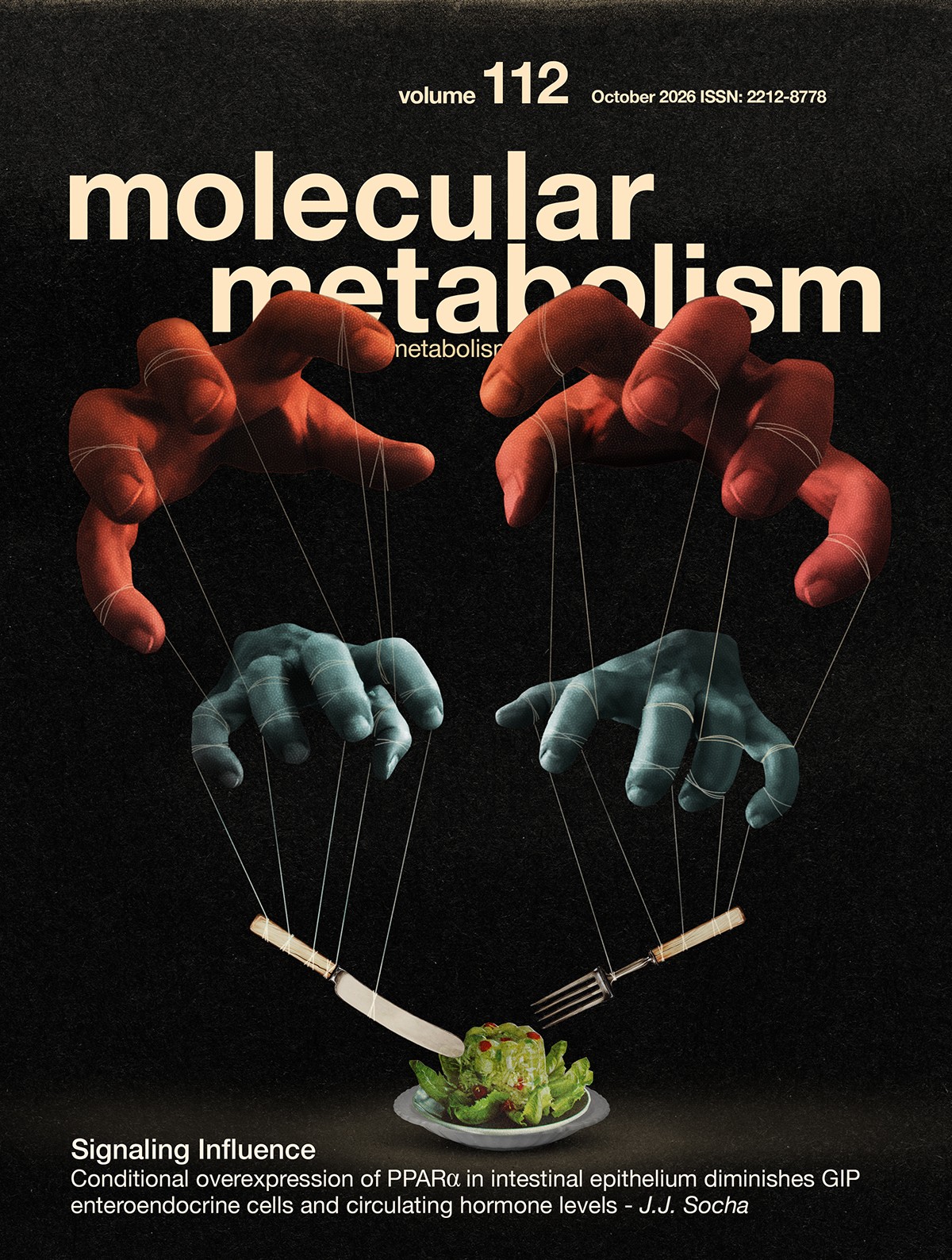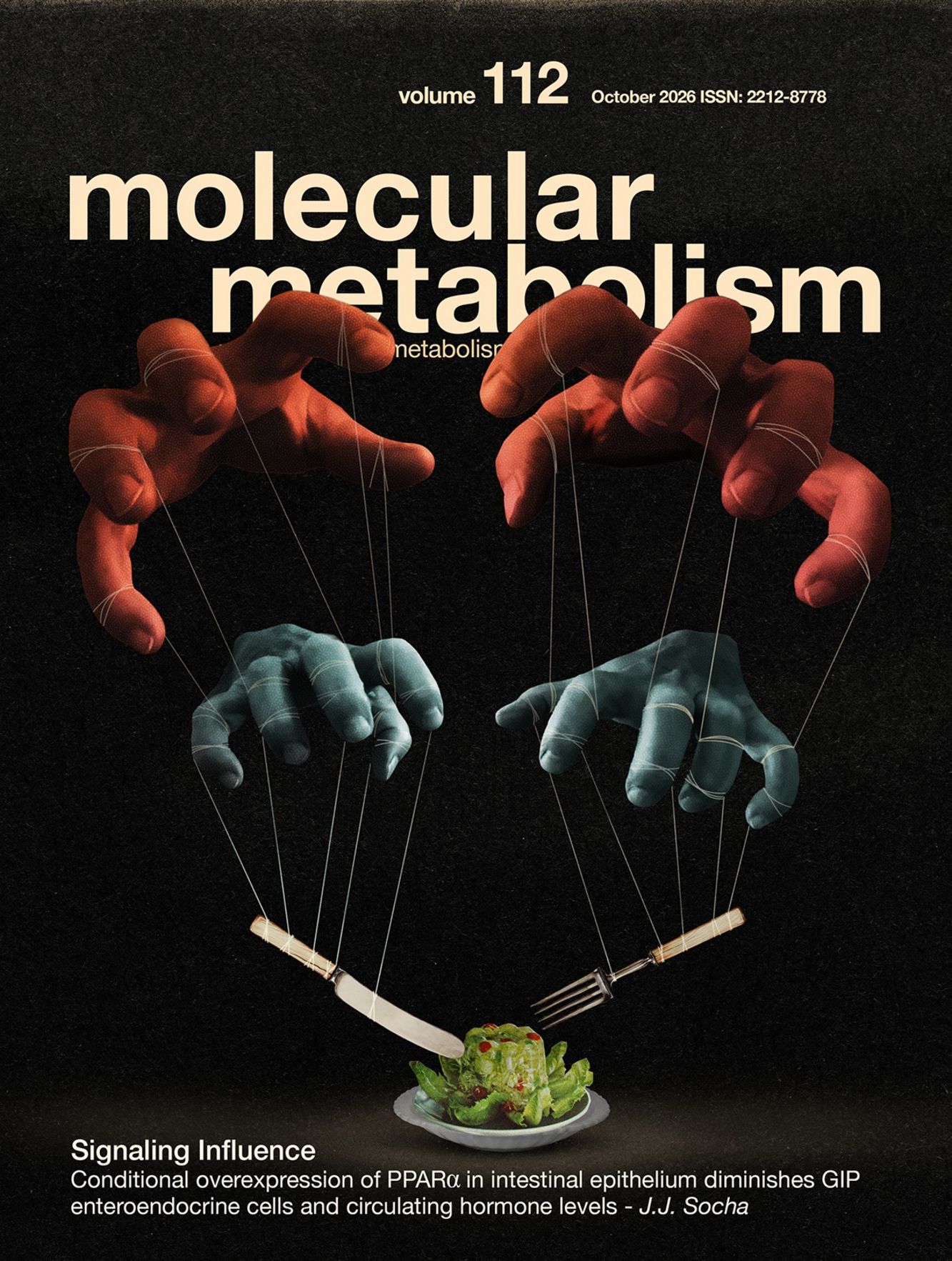
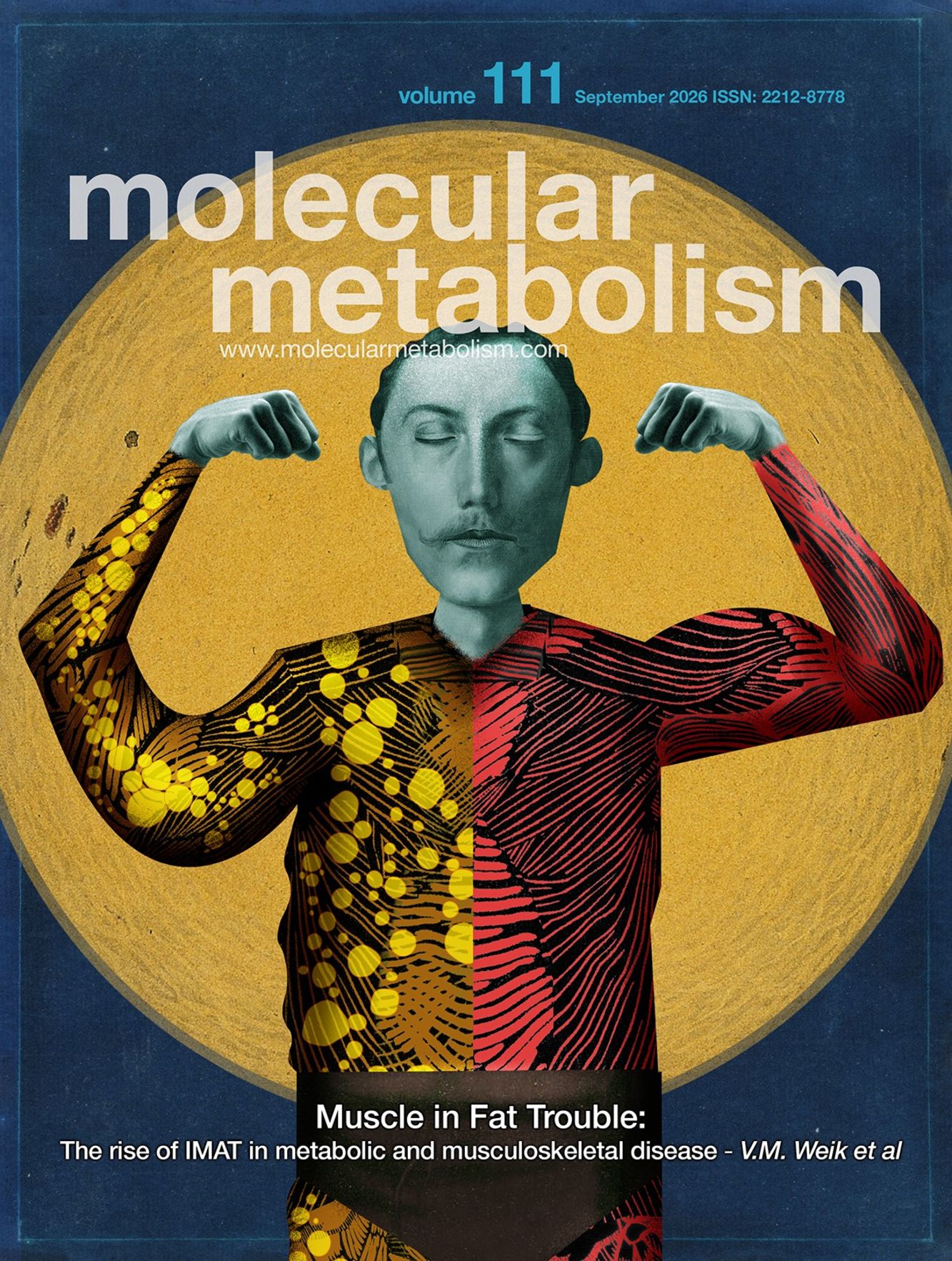
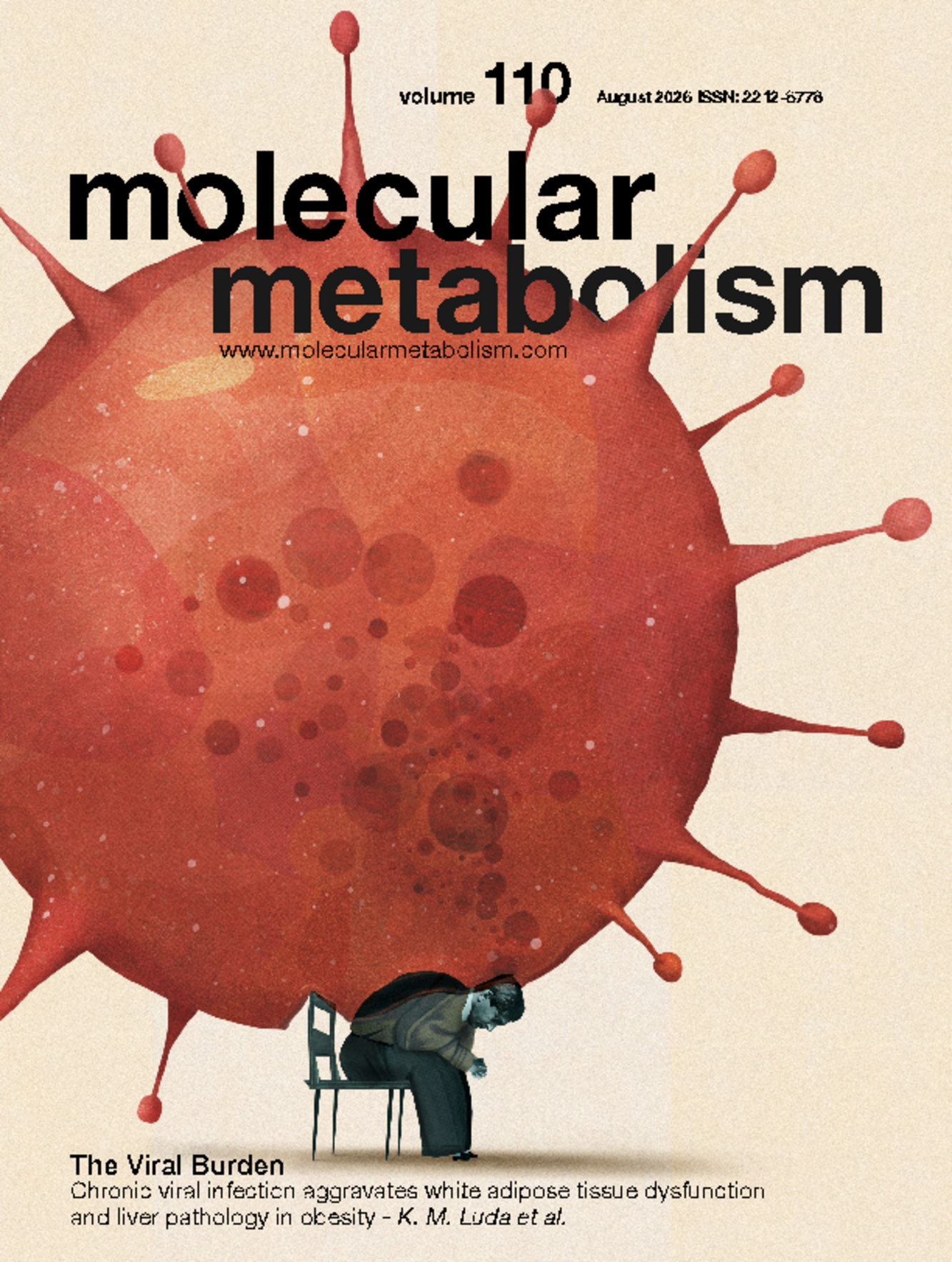
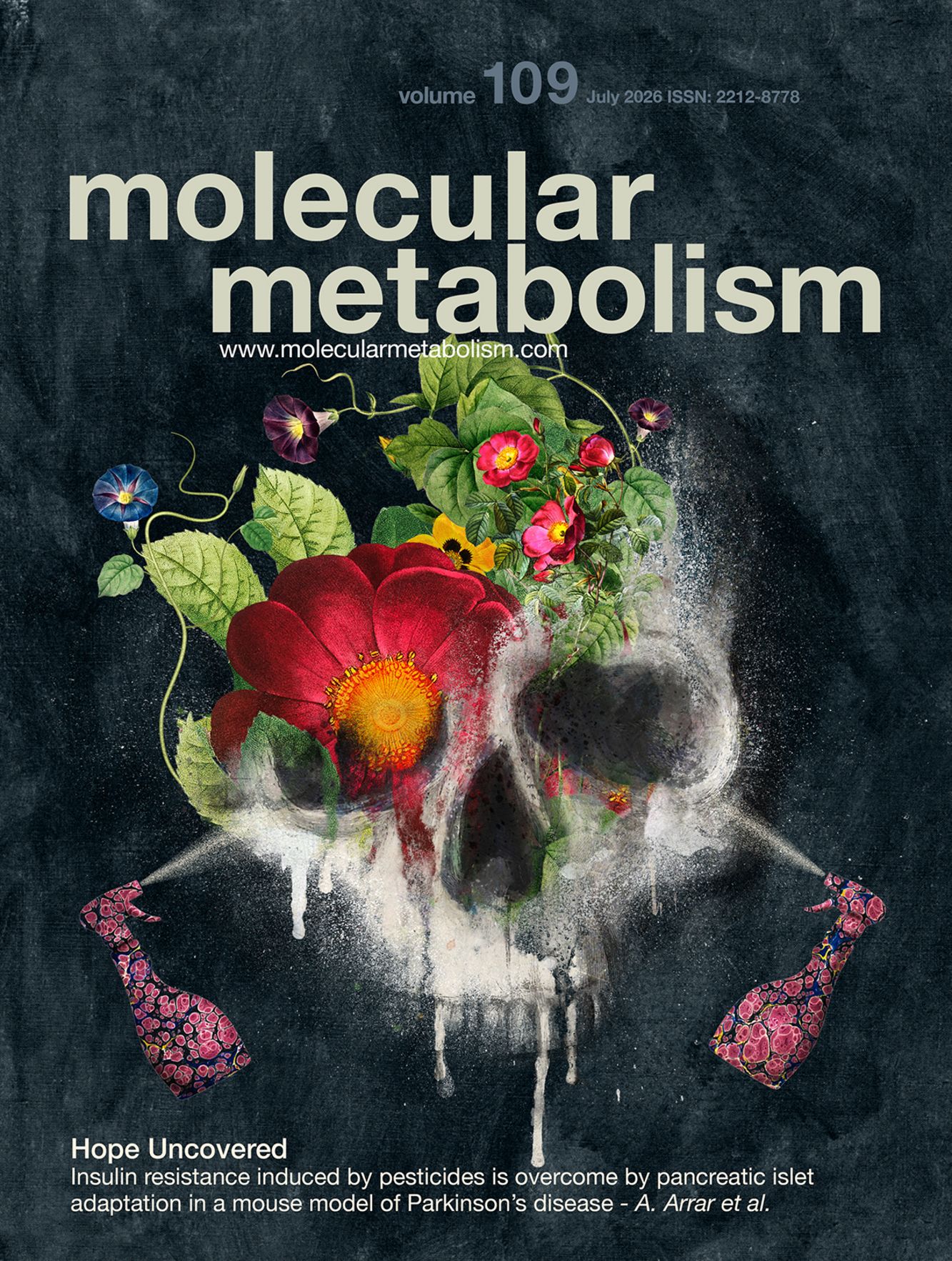
Cover Story Current Issue

Despite intensive drug development efforts and public health initiatives, obesity is increasing in incidence and predicted to affect over 50% of all adults worldwide by 2035. Being chronically overweight increases the risk of serious disease co-morbidities that, in turn, increase mortality and healthcare costs. Behavioral approaches to combat obesity, such as diet and exercise, rarely produce lasting weight loss commonly due to compensatory hyperphagia and hypometabolism. These limitations have stimulated interest in pharmacotherapies that target gut-derived peptide hormones involved in the regulation of energy homeostasis, such as PYY, GIP, CCK, and GLP-1. These peptides are secreted by different enteroendocrine cells distributed throughout the intestine in response to food intake, subsequently enhancing satiation signaling and ultimately promotes meal termination. However, a major challenge of FDA-approved and experimental weight-loss medications that target GI-derived satiation signals is the frequent occurrence of nausea and vomiting.

Full text


Current Issue

GIPR signaling modulates PYY-induced hypophagia and malaise in rodents

Tito Borner, Allison M. Pataro, Genevieve R. Curtis, Brandon Alonso, ... Matthew R. Hayes

GIPR signaling modulates PYY-induced hypophagia and malaise in rodents

The induction of nausea and emesis represents a significant barriers to optimizing weight loss medications for the treatment of obesity. Identifying mechanisms that improve tolerability and/or enhance efficacy without induction of emetic neurocircuitry could provide substantial therapeutic benefits. Candidate peptide YY (PYY)-based approaches for obesity treatment are no exception, as PYY-based therapeutics are uniformly associated with nausea and emesis. Recently, interest in glucose-dependent insulinotropic polypeptide receptor (GIPR)-based therapeutics has resurfaced, with some paradoxical findings from several preclinical studies showing that both GIPR agonism and antagonism, when combined with glucagon-like peptide-1 receptor (GLP-1R) agonists, result in greater body weight loss and superior glycemic control compared to GLP-1R agonism alone. Here, we investigated the effects of pharmacological modulation of the GIPR system on the actions of PYY. We found that systemic GIPR agonism attenuated PYY-induced malaise while preserving its anorectic and body weight-lowering effects in rats. Interestingly, GIPR antagonism enhanced PYY-induced hypophagia and body weight loss without compromising its malaise tolerability profile. Furthermore, inhibition of GIPR signaling significantly reduced PYY-induced c-Fos expression in the area postrema (AP) of the hindbrain. Since both NPY2R and GIPR are expressed in the same AP neurons, this suggests a potential neuronal pathway by which GIPR modulates the effects of PYY. Overall, our findings underscore the multifaceted actions of the GIPR system and highlight the therapeutic potential of both GIPR agonism and antagonism in enhancing and improving the effects of PYY-based obesity treatments.


Articles in Press

GIPR signaling modulates PYY-induced hypophagia and malaise in rodents

Tito Borner, Allison M. Pataro, Genevieve R. Curtis, Brandon Alonso, ... Matthew R. Hayes

GIPR signaling modulates PYY-induced hypophagia and malaise in rodents

The induction of nausea and emesis represents a significant barriers to optimizing weight loss medications for the treatment of obesity. Identifying mechanisms that improve tolerability and/or enhance efficacy without induction of emetic neurocircuitry could provide substantial therapeutic benefits. Candidate peptide YY (PYY)-based approaches for obesity treatment are no exception, as PYY-based therapeutics are uniformly associated with nausea and emesis. Recently, interest in glucose-dependent insulinotropic polypeptide receptor (GIPR)-based therapeutics has resurfaced, with some paradoxical findings from several preclinical studies showing that both GIPR agonism and antagonism, when combined with glucagon-like peptide-1 receptor (GLP-1R) agonists, result in greater body weight loss and superior glycemic control compared to GLP-1R agonism alone. Here, we investigated the effects of pharmacological modulation of the GIPR system on the actions of PYY. We found that systemic GIPR agonism attenuated PYY-induced malaise while preserving its anorectic and body weight-lowering effects in rats. Interestingly, GIPR antagonism enhanced PYY-induced hypophagia and body weight loss without compromising its malaise tolerability profile. Furthermore, inhibition of GIPR signaling significantly reduced PYY-induced c-Fos expression in the area postrema (AP) of the hindbrain. Since both NPY2R and GIPR are expressed in the same AP neurons, this suggests a potential neuronal pathway by which GIPR modulates the effects of PYY. Overall, our findings underscore the multifaceted actions of the GIPR system and highlight the therapeutic potential of both GIPR agonism and antagonism in enhancing and improving the effects of PYY-based obesity treatments.


SAVE THE DATE!

13th
Helmholtz Diabetes Conference 

Munich, 21-23. Sep 2026                                                                                                                             

2024 impact factor: 6.6

You are what you eat

Here is a video of Vimeo. When the iframes is activated, a connection to Vimeo is established and, if necessary, cookies from Vimeo are also used. For further information on cookies policy click here.

Auf Werbeinhalte, die vor, während oder nach Videos von WEBSITE-URL eingeblendet werden, hat WEBSITE-URL keinen Einfluss. Wir übernehmen keine Gewähr für diese Inhalte. Weitere Informationen finden Sie hier.