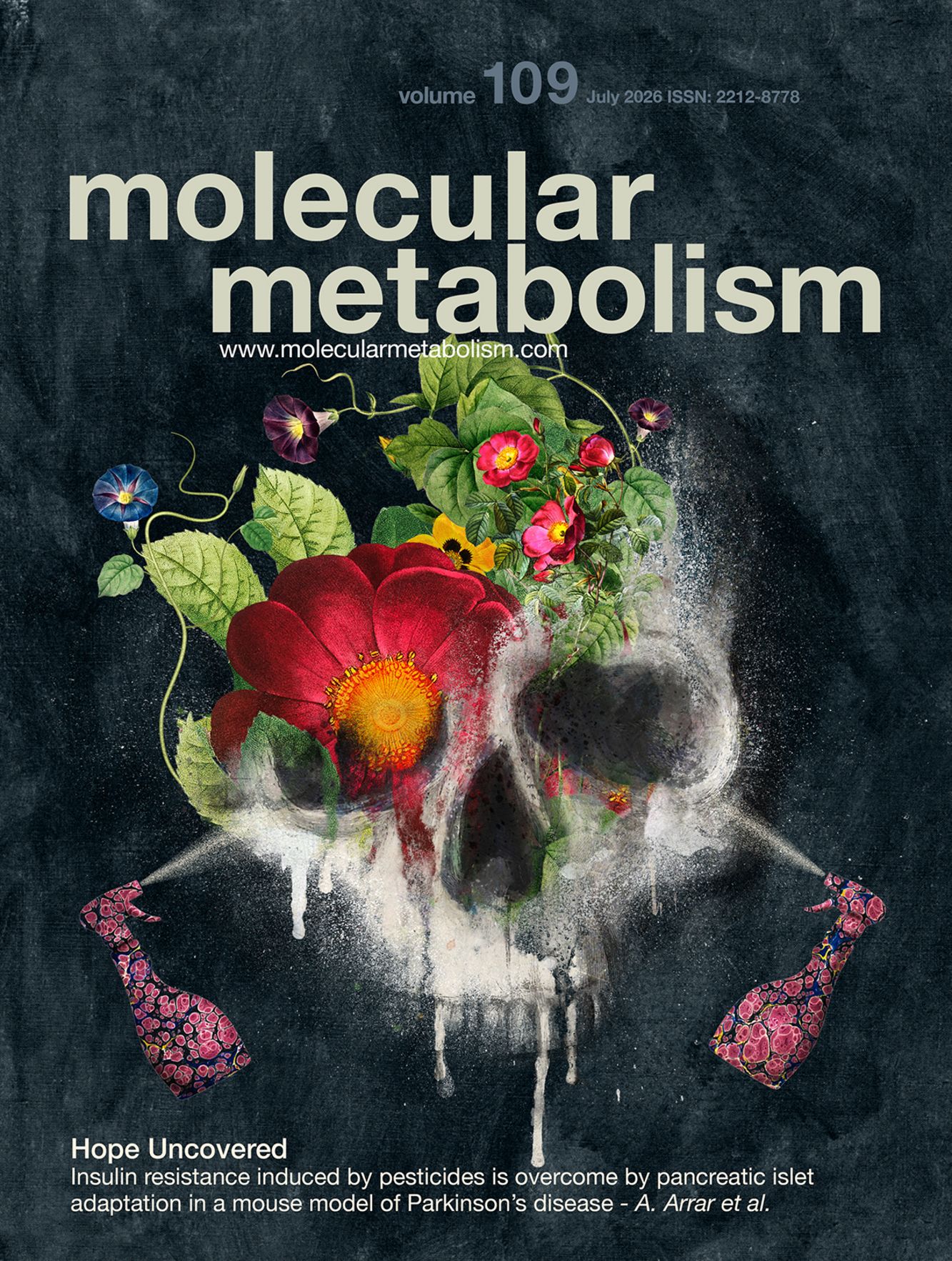
Cover Story Current Issue

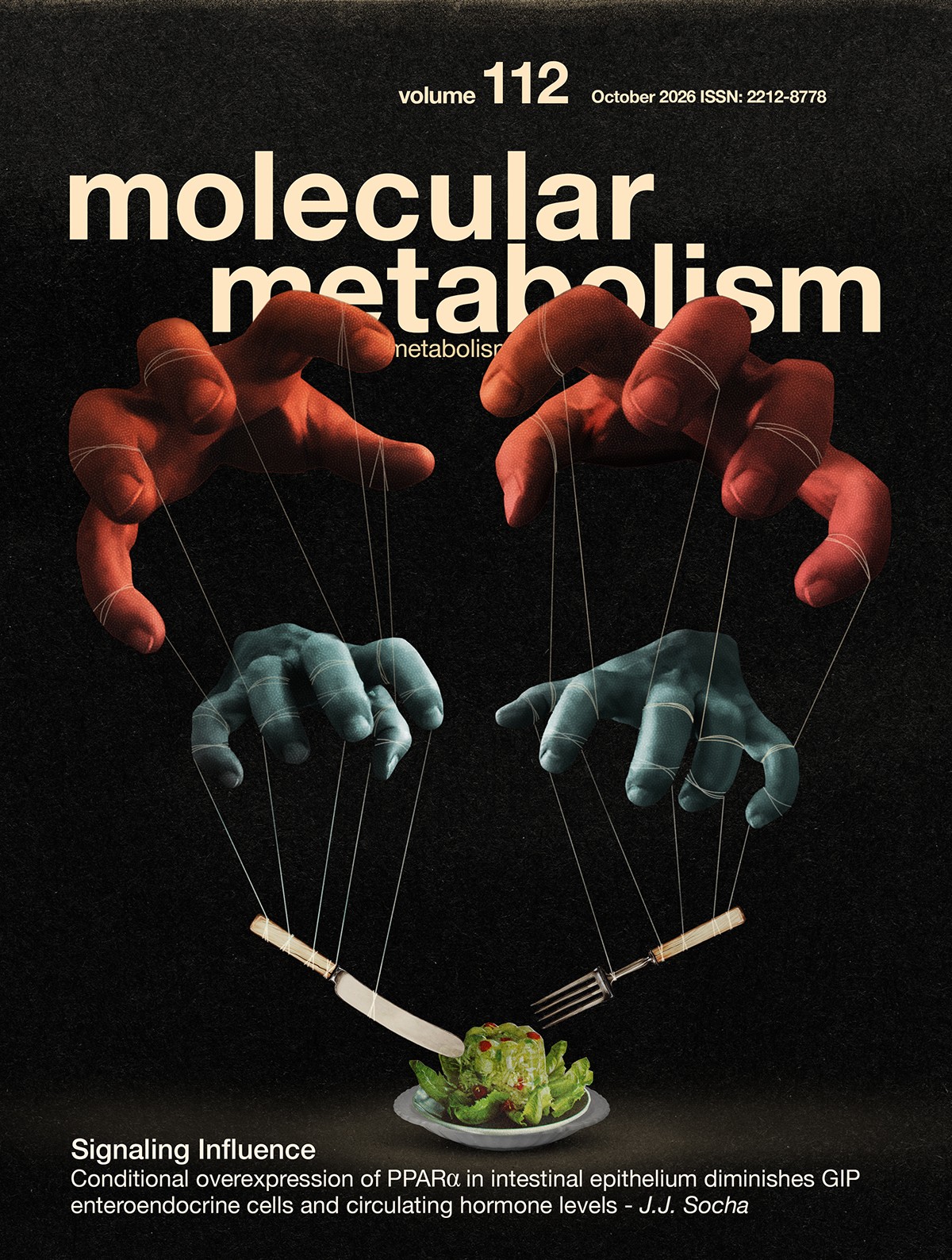
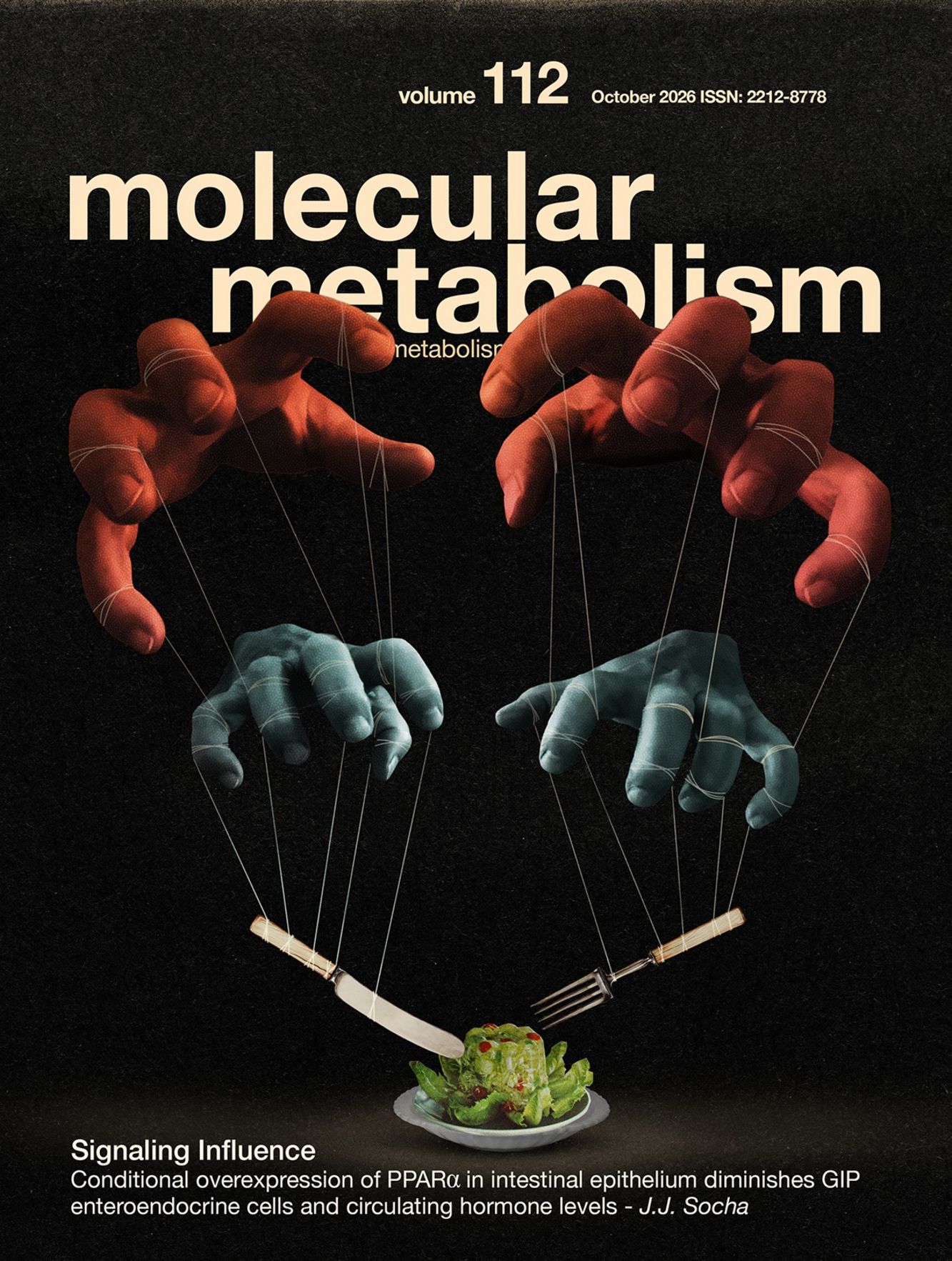
Despite intensive drug development efforts and public health initiatives, obesity is increasing in incidence and predicted to affect over 50% of all adults worldwide by 2035. Being chronically overweight increases the risk of serious disease co-morbidities that, in turn, increase mortality and healthcare costs. Behavioral approaches to combat obesity, such as diet and exercise, rarely produce lasting weight loss commonly due to compensatory hyperphagia and hypometabolism. These limitations have stimulated interest in pharmacotherapies that target gut-derived peptide hormones involved in the regulation of energy homeostasis, such as PYY, GIP, CCK, and GLP-1. These peptides are secreted by different enteroendocrine cells distributed throughout the intestine in response to food intake, subsequently enhancing satiation signaling and ultimately promotes meal termination. However, a major challenge of FDA-approved and experimental weight-loss medications that target GI-derived satiation signals is the frequent occurrence of nausea and vomiting.

Full text


Current Issue

Interplay between obesity-associated insulin resistance and immune system through the lens of evolutionary medicine

Maryam Moazzam-Jazi, Saeideh Jafarinejad-Farsangi, Leila Najd-Hassan-Bonab, Maryam Daneshpour, ... Ramakrishna Vadde

Interplay between obesity-associated insulin resistance and immune system through the lens of evolutionary medicine

Insulin resistance (IR), commonly associated with obesity, is linked to a range of metabolic and immune-related disorders in the contemporary human population. Nevertheless, it is evolutionary well-conserved, suggesting its potential survival advantages to our ancestors. This review aims to explore the intricate interplay between IR and the immune system as well as its implications for the development of immune-metabolic and allergic diseases in the modern era. From an evolutionary medicine perspective, the longevity of ancient humans relied on energy storage to endure food shortages and effectively activate the immune system against various diseases. Under normal conditions, insulin induces glycogen and triglyceride synthesis in the liver and adipose tissues. However, IR directs more glucose to insulin-independent tissues, such as the immune system, which are critical for survival in adverse conditions. The persistent IR in our current lifestyle promotes low-grade inflammation, accompanied by various metabolic and allergic disorders. Critically, this evolutionary mismatch not only explains disease susceptibility but also informs therapeutic design to target immune-metabolic crosstalk. Moreover, our evolutionary analysis demonstrates that the genomic regions near the PTEN, IL27, and NUPR1 genes could play an important role in this interaction across diverse populations.

Articles in Press

Interplay between obesity-associated insulin resistance and immune system through the lens of evolutionary medicine

Maryam Moazzam-Jazi, Saeideh Jafarinejad-Farsangi, Leila Najd-Hassan-Bonab, Maryam Daneshpour, ... Ramakrishna Vadde

Interplay between obesity-associated insulin resistance and immune system through the lens of evolutionary medicine

Insulin resistance (IR), commonly associated with obesity, is linked to a range of metabolic and immune-related disorders in the contemporary human population. Nevertheless, it is evolutionary well-conserved, suggesting its potential survival advantages to our ancestors. This review aims to explore the intricate interplay between IR and the immune system as well as its implications for the development of immune-metabolic and allergic diseases in the modern era. From an evolutionary medicine perspective, the longevity of ancient humans relied on energy storage to endure food shortages and effectively activate the immune system against various diseases. Under normal conditions, insulin induces glycogen and triglyceride synthesis in the liver and adipose tissues. However, IR directs more glucose to insulin-independent tissues, such as the immune system, which are critical for survival in adverse conditions. The persistent IR in our current lifestyle promotes low-grade inflammation, accompanied by various metabolic and allergic disorders. Critically, this evolutionary mismatch not only explains disease susceptibility but also informs therapeutic design to target immune-metabolic crosstalk. Moreover, our evolutionary analysis demonstrates that the genomic regions near the PTEN, IL27, and NUPR1 genes could play an important role in this interaction across diverse populations.

SAVE THE DATE!

13th
Helmholtz Diabetes Conference 

Munich, 21-23. Sep 2026                                                                                                                             

2024 impact factor: 6.6

You are what you eat

Here is a video of Vimeo. When the iframes is activated, a connection to Vimeo is established and, if necessary, cookies from Vimeo are also used. For further information on cookies policy click here.

Auf Werbeinhalte, die vor, während oder nach Videos von WEBSITE-URL eingeblendet werden, hat WEBSITE-URL keinen Einfluss. Wir übernehmen keine Gewähr für diese Inhalte. Weitere Informationen finden Sie hier.