
Cover Story Current Issue

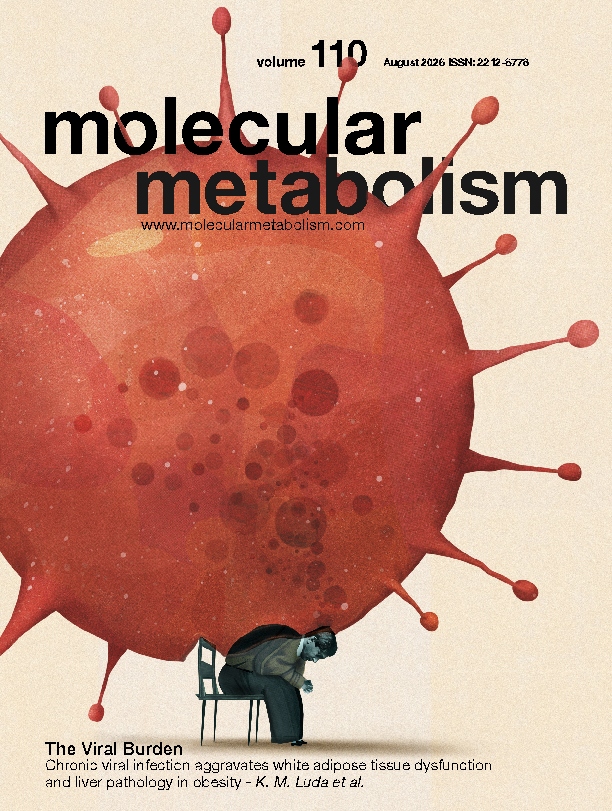
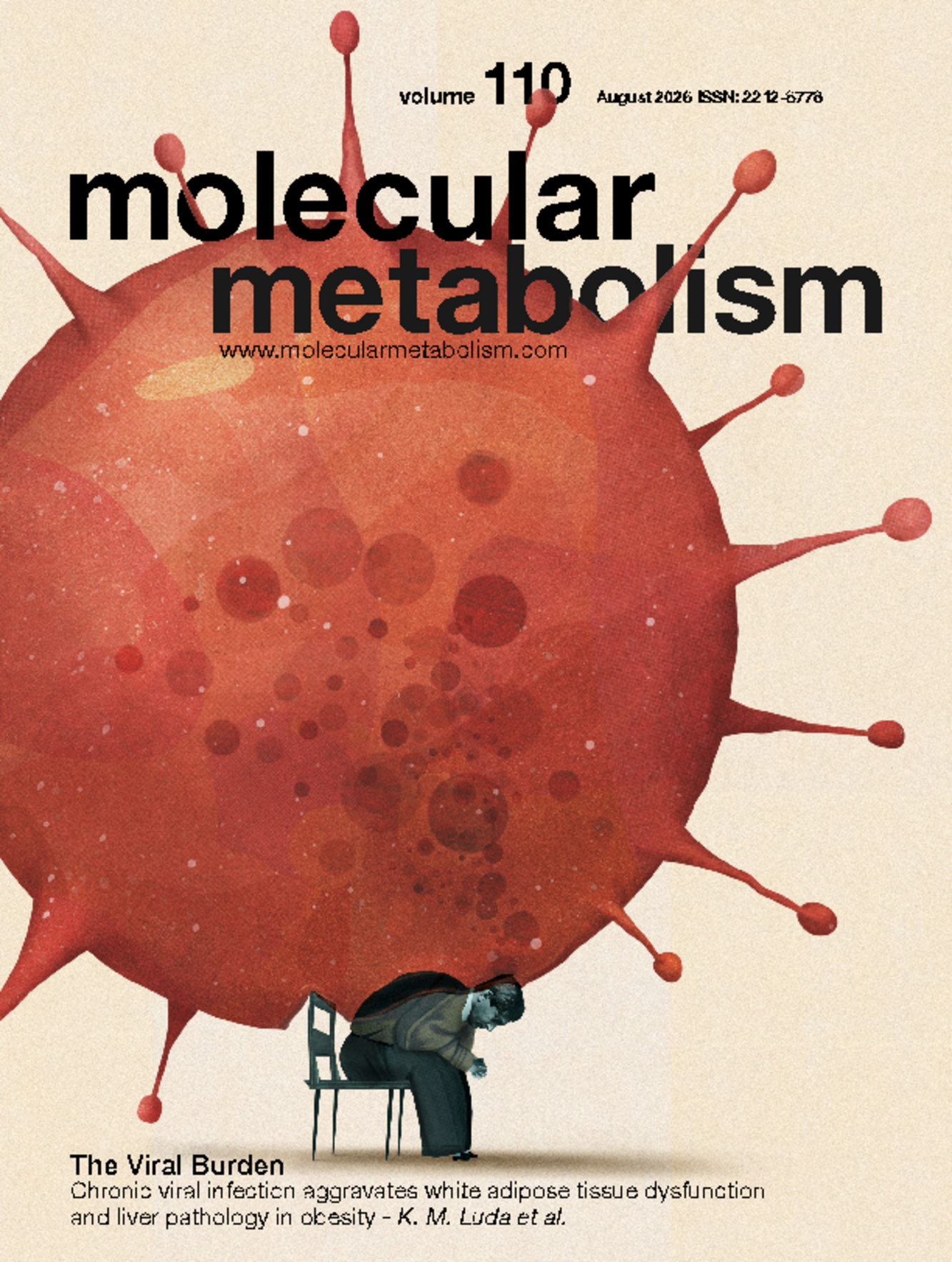
Despite intensive drug development efforts and public health initiatives, obesity is increasing in incidence and predicted to affect over 50% of all adults worldwide by 2035. Being chronically overweight increases the risk of serious disease co-morbidities that, in turn, increase mortality and healthcare costs. Behavioral approaches to combat obesity, such as diet and exercise, rarely produce lasting weight loss commonly due to compensatory hyperphagia and hypometabolism. These limitations have stimulated interest in pharmacotherapies that target gut-derived peptide hormones involved in the regulation of energy homeostasis, such as PYY, GIP, CCK, and GLP-1. These peptides are secreted by different enteroendocrine cells distributed throughout the intestine in response to food intake, subsequently enhancing satiation signaling and ultimately promotes meal termination. However, a major challenge of FDA-approved and experimental weight-loss medications that target GI-derived satiation signals is the frequent occurrence of nausea and vomiting.

Full text


Current Issue

ARD-101, a gut-restricted TAS2R agonist, reduces hunger in adults and promotes weight loss in DIO mice with DPP-4 inhibition

Zhenhuan Zheng, Jeremy H. Pettus, Alexa Warner, Bryan Jones, ... Timothy J. Kieffer

ARD-101, a gut-restricted TAS2R agonist, reduces hunger in adults and promotes weight loss in DIO mice with DPP-4 inhibition


Objectives

Obesity management has limited oral pharmacotherapies. Bitter taste receptor (TAS2R) agonists may modulate hunger, satiety, and metabolism via gut-brain signaling. We evaluated denatonium acetate (DA), a gut-restricted TAS2R agonist, across preclinical and clinical settings, and explored its combination with sitagliptin (a dipeptidyl peptidase-4 [DPP-4] inhibitor).

Methods

In mice transitioned to high-fat diet (HFD) or established with diet-induced obesity (DIO), we tested oral DA (20–80 mg/kg twice daily or 75 mg/kg once daily), a sitagliptin-formulated HFD, the combination, and subcutaneous tirzepatide, including a post-tirzepatide discontinuation phase, to assess weight trajectories and metabolic benefits. In randomized, placebo-controlled clinical studies, ARD-101 (oral DA) was evaluated in adults with obesity (200 mg twice daily for 28 days) and in healthy participants (single 800 mg).

Results

In mice transitioned to HFD, DA reduced weight gain (up to 43.1%), decreased food intake, and improved glucose and lipid measures. In DIO mice, once-daily DA or sitagliptin-HFD prevented weight gain; the combination reduced body weight (−18.8%) with metabolic benefits. In a separate DIO mouse study, tirzepatide reduced weight by 23.7%. Following tirzepatide discontinuation, switching to DA plus sitagliptin-HFD limited weight regain comparable to continued tirzepatide. In adults with obesity, ARD-101 reduced weight versus placebo by 0.8 kg at Day 28 and 1.3 kg at end-of-study and decreased hunger and food cravings. It also altered gut hormone levels in healthy participants.

Conclusions

Gut-restricted TAS2R agonism warrants further study for hyperphagia in Prader–Willi syndrome, and in combination with DPP-4 inhibition for obesity.

Clinicaltrials.gov number

NCT05121441.

Integrated research application system (IRAS) number

1011885.


Articles in Press

ARD-101, a gut-restricted TAS2R agonist, reduces hunger in adults and promotes weight loss in DIO mice with DPP-4 inhibition

Zhenhuan Zheng, Jeremy H. Pettus, Alexa Warner, Bryan Jones, ... Timothy J. Kieffer

ARD-101, a gut-restricted TAS2R agonist, reduces hunger in adults and promotes weight loss in DIO mice with DPP-4 inhibition


Objectives

Obesity management has limited oral pharmacotherapies. Bitter taste receptor (TAS2R) agonists may modulate hunger, satiety, and metabolism via gut-brain signaling. We evaluated denatonium acetate (DA), a gut-restricted TAS2R agonist, across preclinical and clinical settings, and explored its combination with sitagliptin (a dipeptidyl peptidase-4 [DPP-4] inhibitor).

Methods

In mice transitioned to high-fat diet (HFD) or established with diet-induced obesity (DIO), we tested oral DA (20–80 mg/kg twice daily or 75 mg/kg once daily), a sitagliptin-formulated HFD, the combination, and subcutaneous tirzepatide, including a post-tirzepatide discontinuation phase, to assess weight trajectories and metabolic benefits. In randomized, placebo-controlled clinical studies, ARD-101 (oral DA) was evaluated in adults with obesity (200 mg twice daily for 28 days) and in healthy participants (single 800 mg).

Results

In mice transitioned to HFD, DA reduced weight gain (up to 43.1%), decreased food intake, and improved glucose and lipid measures. In DIO mice, once-daily DA or sitagliptin-HFD prevented weight gain; the combination reduced body weight (−18.8%) with metabolic benefits. In a separate DIO mouse study, tirzepatide reduced weight by 23.7%. Following tirzepatide discontinuation, switching to DA plus sitagliptin-HFD limited weight regain comparable to continued tirzepatide. In adults with obesity, ARD-101 reduced weight versus placebo by 0.8 kg at Day 28 and 1.3 kg at end-of-study and decreased hunger and food cravings. It also altered gut hormone levels in healthy participants.

Conclusions

Gut-restricted TAS2R agonism warrants further study for hyperphagia in Prader–Willi syndrome, and in combination with DPP-4 inhibition for obesity.

Clinicaltrials.gov number

NCT05121441.

Integrated research application system (IRAS) number

1011885.


SAVE THE DATE!

13th
Helmholtz Diabetes Conference 

Munich, 21-23. Sep 2026                                                                                                                             

2024 impact factor: 6.6

You are what you eat

Here is a video of Vimeo. When the iframes is activated, a connection to Vimeo is established and, if necessary, cookies from Vimeo are also used. For further information on cookies policy click here.

Auf Werbeinhalte, die vor, während oder nach Videos von WEBSITE-URL eingeblendet werden, hat WEBSITE-URL keinen Einfluss. Wir übernehmen keine Gewähr für diese Inhalte. Weitere Informationen finden Sie hier.