
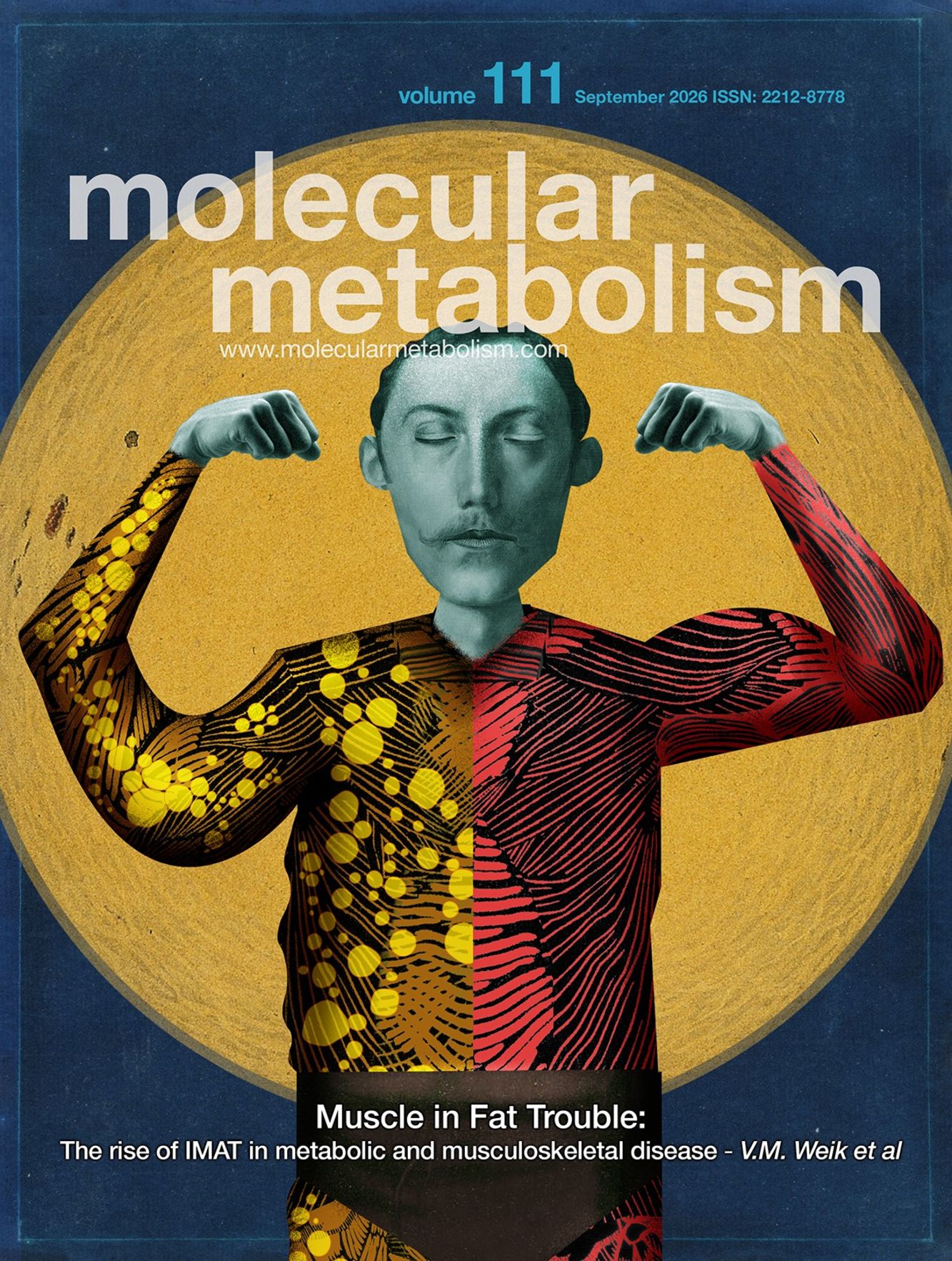
 Volume 111, Current Issue
 Vol 28, October 2019
 Vol 27, September 2019
 Vol 26, August 2019
 Vol 25, July 2019
 Vol 24, June 2019
 Vol 23, May 2019
 Vol 22, April 2019
 Vol 21, March 2019
 Vol 20, February 2019
 Vol 19, January 2019
 Vol 18, December 2018
 Vol 17, November 2018
 Vol 16, October 2018
 Vol 15, September 2018
 Vol 14, August 2018
 Vol 13, July 2018
 Vol 12, June 2018
 Vol 11, May 2018
 Vol 10, April 2018
 Vol 9, March 2018
 Vol 8, February 2018
 Vol 7, January 2018
 Vol 6 No 12, December 2017
 Vol 6 No 11, November 2017
 Vol 6 No 10, October 2017
 Vol 6 No 9, September 2017
 Vol 6 No 8, August 2017
 Vol 6 No 7, July 2017
 Vol 6 No 6, June 2017
 Vol 6 No 5, May 2017
 Vol 6 No 4, April 2017
 Vol 6 No 3, March 2017
 Vol 6 No 2, February 2017
 Vol 6 No 1, January 2017
 Vol 5 No 12, December 2016
 Vol 5 No 11, November 2016
 Vol 5 No 10, October 2016
 Vol 5 No 9, September 2016
 Vol 5 No 8, August 2016
 Vol 5 No 7, July 2016
 Vol 5 No 6, June 2016
 Vol 5 No 5, May 2016
 Vol 5 No 4, April 2016
 Vol 5 No 3, March 2016
 Vol 5 No 2, February 2016
 Vol 5 No 1, January 2016
 Vol 4 No 12, December 2015
 Vol 4 No 11, November 2015
 Vol 4 No 10, October 2015
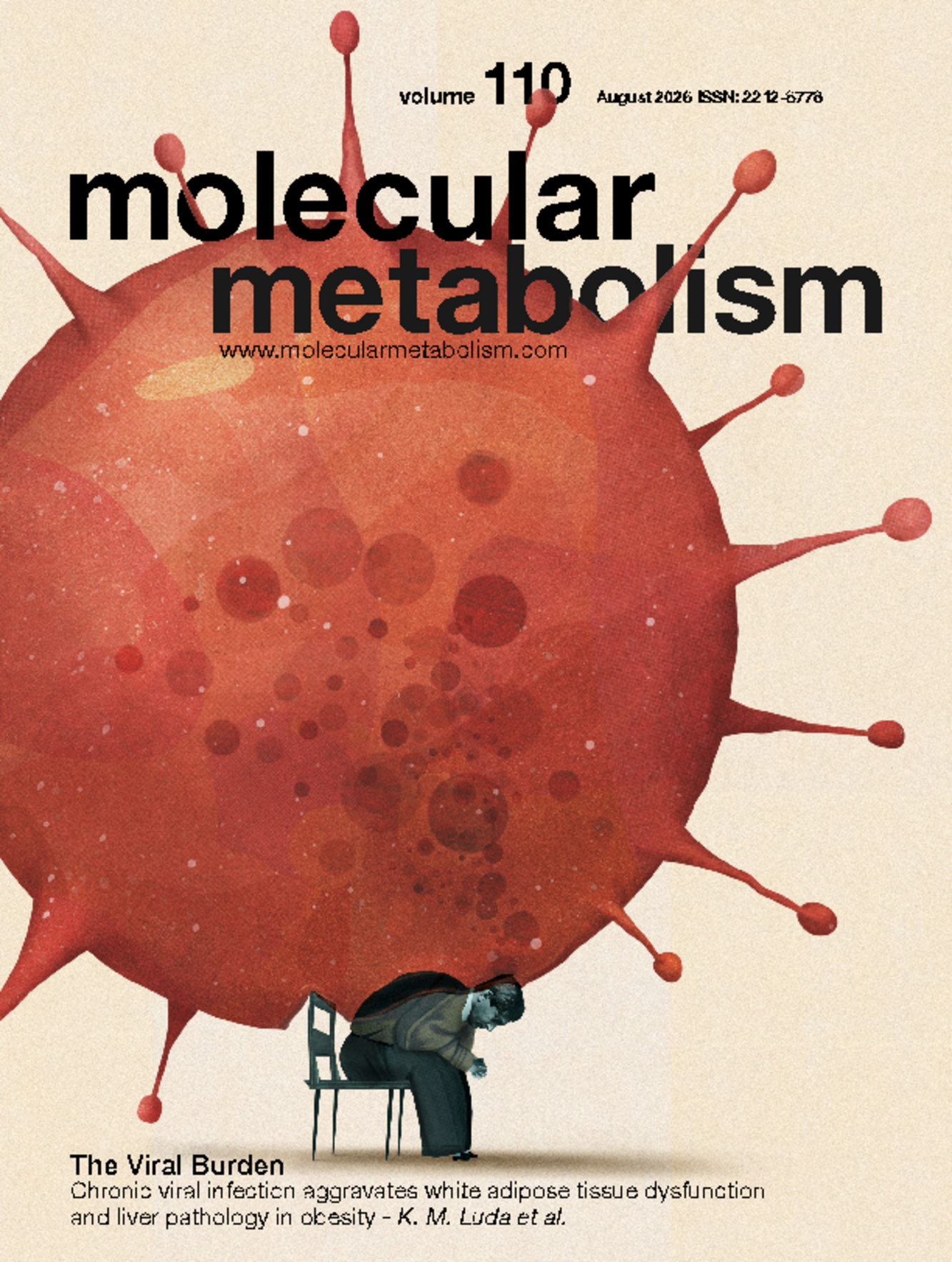



Cover Story Current Issue
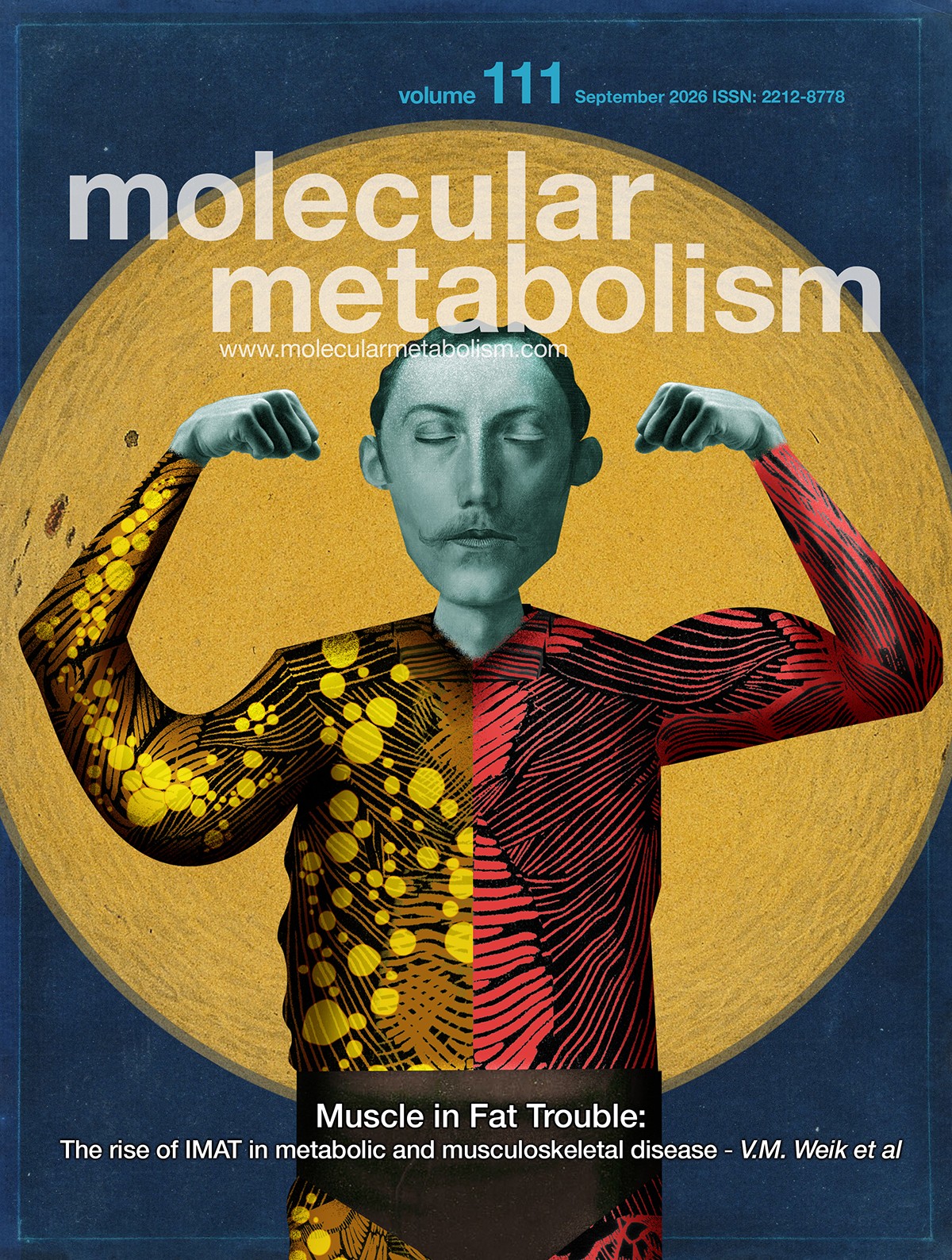
Skeletal muscle is the largest organ in the human body by mass, making up approximately 40 % of total body weight. Furthermore, it accounts for the majority of insulin-stimulated glucose uptake and is also highly involved in lipid metabolism. Lipids can accumulate in muscle through different distinct depots: as intramyocellular lipids (IMCL), stored as triglyceride-containing droplets within muscle cells and as intermuscular adipose tissue (IMAT), located between muscle fiber bundles beneath the deep muscle fascia. The muscular fat depots have been positively correlated with an increased body fat content in obesity, just like subcutaneous and visceral adipose tissue (SAT and VAT, respectively). IMCL, IMAT, VAT and SAT have additionally been linked to insulin resistance and type 2 diabetes mellitus (T2D).
Current Issue
A targeted metabolomic method to detect epigenetically relevant metabolites
- Abstract
A targeted metabolomic method to detect epigenetically relevant metabolites
Purpose of the research
To develop a sensitive, versatile analytical method capable of simultaneously detecting epigenetically relevant metabolites without chemical derivatization. We also aim to establish a stable isotope tracing methodology to track the biosynthesis of key epigenetic donors, S-adenosylmethionine (SAM) and acetyl-coenzyme A (acetyl-CoA), and demonstrate the method’s reproducibility and quantitative accuracy through case–control studies that link metabolism to epigenetics.
Basic procedures
After a comprehensive literature review, we selected 42 metabolites based on their roles in epigenetic processes such as methylation and acetylation, and devised a targeted metabolomics approach to extract, detect, and quantify these metabolites (Supplementary table 1 and Figure 1). We then optimized ionization parameters and scan rate using pure standards to maximize metabolite coverage in LC-MS/MS. We chose a biphasic extraction method adapted from Lotti et al., using phosphoric acid (15%) and methyl tert-butyl ether (MTBE) for efficient extraction of a wide range of metabolites, including short-chain fatty acids (SCFAs) and formate, without the need for chemical derivatization. The organic phase was analyzed by GC–MS/MS, while the aqueous phase was subjected to LC-MS/MS using a zwitterionic HILIC column with medronic acid to improve peak shape and retention of charged metabolites. To potentially link metabolism and epigenetic modifications, we implemented a stable isotope tracing methodology to track 13C-labeled glucose, glutamine, or serine into SAM and acetyl-CoA. Our method focuses on measuring isotopomers rather than isotopologues, offering a nuanced understanding of labeled carbon atom fate.
Main findings
Our method demonstrated high reproducibility and sensitivity, enabling the quantitative analysis of over 30 epigenetically relevant metabolites, including SCFAs, SAM, and acetyl-CoA, in various biological samples. We successfully quantified these metabolites in three case–control studies: (1) liver and gut content from germ-free and conventional mice, revealing significant differences in SCFA levels and other metabolites linked to one-carbon metabolism and energy production. (2) During OSKM reprogramming of mouse embryonic fibroblasts vitamin B12 supplementation enhances cellular reprogramming. Using 13C-serine as a tracer, we observed a time-dependent increase in SAM enrichment, with additive effects from vitamin B12, primarily due to heightened labeling of the +1 isotopomers formate and methyl group. (3) In an isogenic human glioma cell line with the IDH1 R132H mutation, both wild-type and mutant cells predominantly used glucose carbons for acetyl-CoA synthesis. However, while no significant differences were observed in glucose metabolism between WT and mutant cells, we noted increased glutamine consumption in IDH1-R132H cells, evidenced by higher enrichment of the acetyl group in acetyl-CoA.
New and important aspects of our study
We present an innovative analytical methodology for the simultaneous detection and quantification of over 30 epigenetically relevant metabolites, including short chain fatty acids. Using stable isotope tracing to track the synthesis of S-adenosylmethionine (SAM) and acetyl-Coenzyme A (acetyl-CoA), our method reveals new insights into metabolism linked to epigenetic modifications, including glycolysis, the pentose phosphate pathway, de novo glycine synthesis, and the folate and methionine cycle. Demonstrating practical utility in case–control studies, this approach supports integrative multi-omics strategies to explore the interplay between metabolism and epigenetics across various biological systems and diseases.
Articles in Press
A targeted metabolomic method to detect epigenetically relevant metabolites
- Abstract
A targeted metabolomic method to detect epigenetically relevant metabolites
Purpose of the research
To develop a sensitive, versatile analytical method capable of simultaneously detecting epigenetically relevant metabolites without chemical derivatization. We also aim to establish a stable isotope tracing methodology to track the biosynthesis of key epigenetic donors, S-adenosylmethionine (SAM) and acetyl-coenzyme A (acetyl-CoA), and demonstrate the method’s reproducibility and quantitative accuracy through case–control studies that link metabolism to epigenetics.
Basic procedures
After a comprehensive literature review, we selected 42 metabolites based on their roles in epigenetic processes such as methylation and acetylation, and devised a targeted metabolomics approach to extract, detect, and quantify these metabolites (Supplementary table 1 and Figure 1). We then optimized ionization parameters and scan rate using pure standards to maximize metabolite coverage in LC-MS/MS. We chose a biphasic extraction method adapted from Lotti et al., using phosphoric acid (15%) and methyl tert-butyl ether (MTBE) for efficient extraction of a wide range of metabolites, including short-chain fatty acids (SCFAs) and formate, without the need for chemical derivatization. The organic phase was analyzed by GC–MS/MS, while the aqueous phase was subjected to LC-MS/MS using a zwitterionic HILIC column with medronic acid to improve peak shape and retention of charged metabolites. To potentially link metabolism and epigenetic modifications, we implemented a stable isotope tracing methodology to track 13C-labeled glucose, glutamine, or serine into SAM and acetyl-CoA. Our method focuses on measuring isotopomers rather than isotopologues, offering a nuanced understanding of labeled carbon atom fate.
Main findings
Our method demonstrated high reproducibility and sensitivity, enabling the quantitative analysis of over 30 epigenetically relevant metabolites, including SCFAs, SAM, and acetyl-CoA, in various biological samples. We successfully quantified these metabolites in three case–control studies: (1) liver and gut content from germ-free and conventional mice, revealing significant differences in SCFA levels and other metabolites linked to one-carbon metabolism and energy production. (2) During OSKM reprogramming of mouse embryonic fibroblasts vitamin B12 supplementation enhances cellular reprogramming. Using 13C-serine as a tracer, we observed a time-dependent increase in SAM enrichment, with additive effects from vitamin B12, primarily due to heightened labeling of the +1 isotopomers formate and methyl group. (3) In an isogenic human glioma cell line with the IDH1 R132H mutation, both wild-type and mutant cells predominantly used glucose carbons for acetyl-CoA synthesis. However, while no significant differences were observed in glucose metabolism between WT and mutant cells, we noted increased glutamine consumption in IDH1-R132H cells, evidenced by higher enrichment of the acetyl group in acetyl-CoA.
New and important aspects of our study
We present an innovative analytical methodology for the simultaneous detection and quantification of over 30 epigenetically relevant metabolites, including short chain fatty acids. Using stable isotope tracing to track the synthesis of S-adenosylmethionine (SAM) and acetyl-Coenzyme A (acetyl-CoA), our method reveals new insights into metabolism linked to epigenetic modifications, including glycolysis, the pentose phosphate pathway, de novo glycine synthesis, and the folate and methionine cycle. Demonstrating practical utility in case–control studies, this approach supports integrative multi-omics strategies to explore the interplay between metabolism and epigenetics across various biological systems and diseases.
Registration still open - sign up now!

13th
Helmholtz Diabetes Conference
Munich, 21-23. Sep 2026

2024 impact factor: 6.6
You are what you eat
Here is a video of Vimeo. When the iframes is activated, a connection to Vimeo is established and, if necessary, cookies from Vimeo are also used. For further information on cookies policy click here.