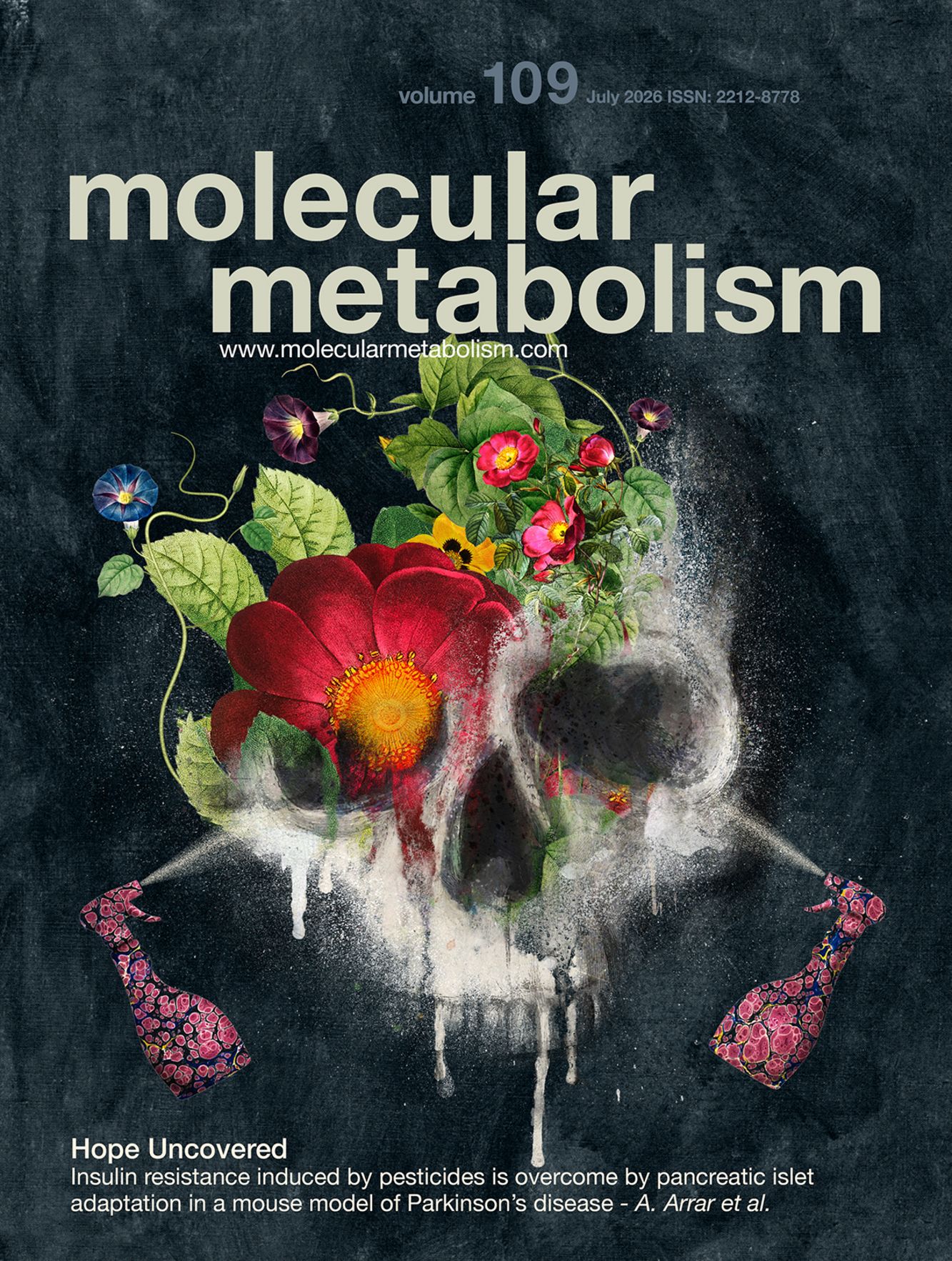
Cover Story Current Issue

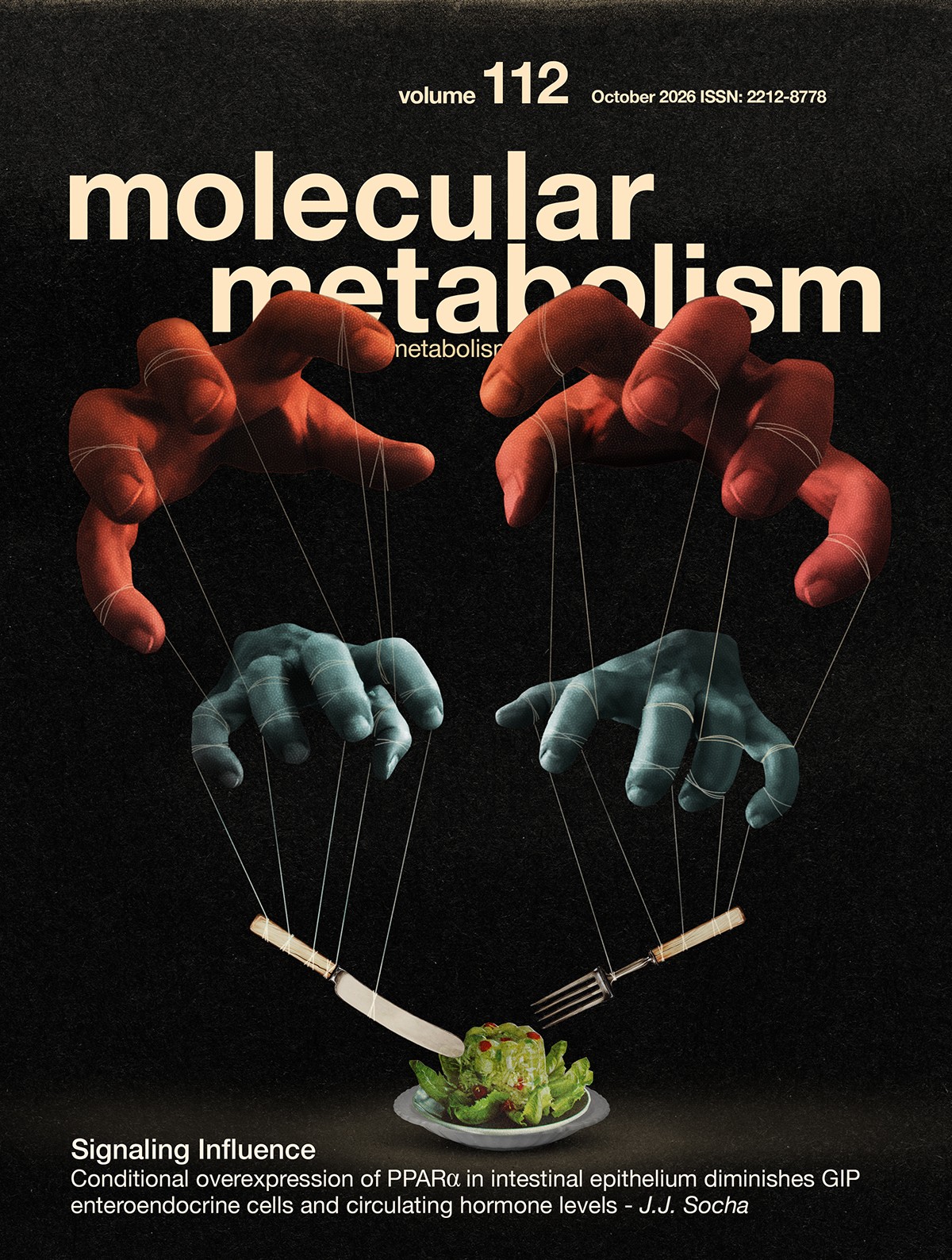
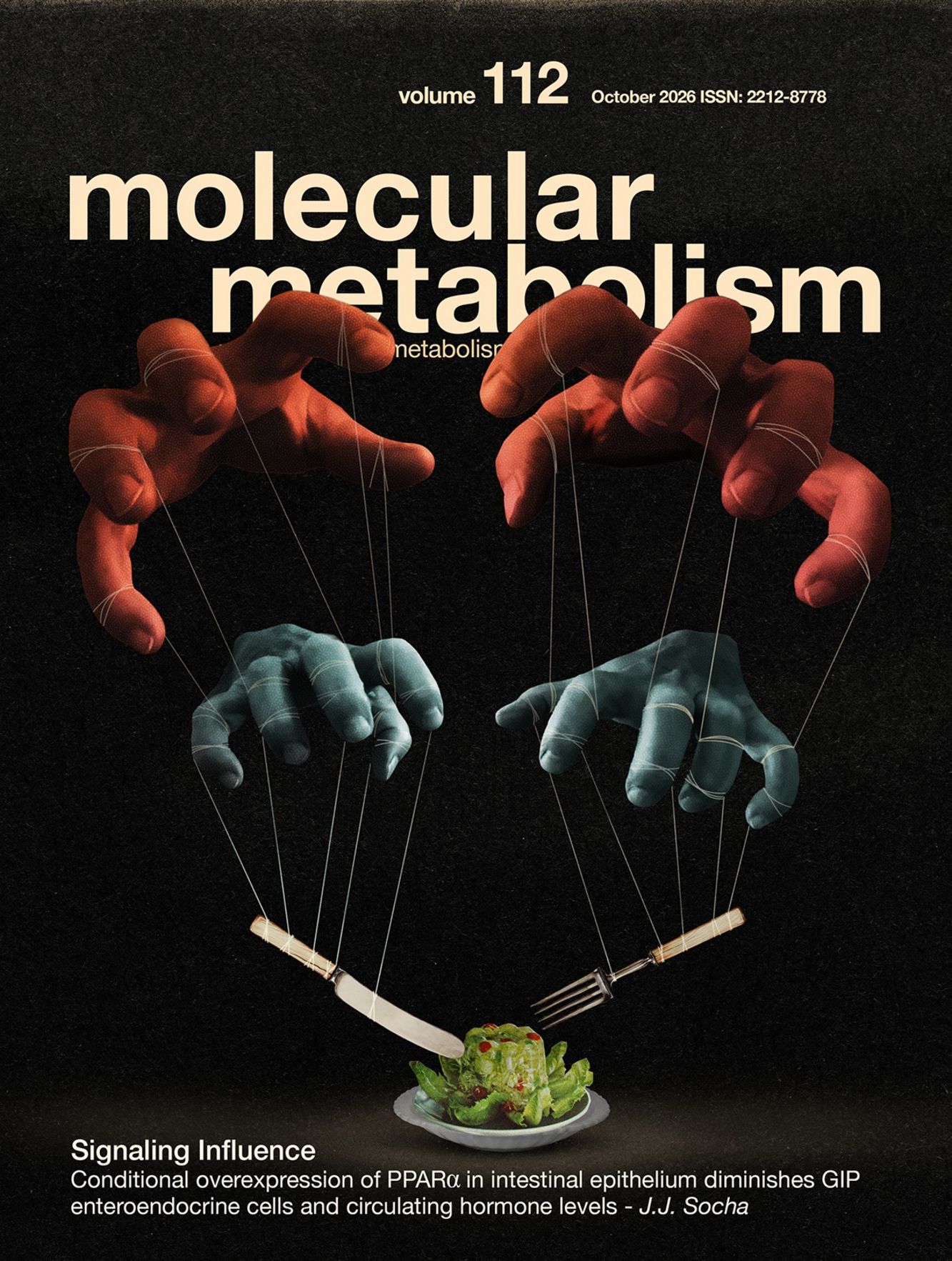
Despite intensive drug development efforts and public health initiatives, obesity is increasing in incidence and predicted to affect over 50% of all adults worldwide by 2035. Being chronically overweight increases the risk of serious disease co-morbidities that, in turn, increase mortality and healthcare costs. Behavioral approaches to combat obesity, such as diet and exercise, rarely produce lasting weight loss commonly due to compensatory hyperphagia and hypometabolism. These limitations have stimulated interest in pharmacotherapies that target gut-derived peptide hormones involved in the regulation of energy homeostasis, such as PYY, GIP, CCK, and GLP-1. These peptides are secreted by different enteroendocrine cells distributed throughout the intestine in response to food intake, subsequently enhancing satiation signaling and ultimately promotes meal termination. However, a major challenge of FDA-approved and experimental weight-loss medications that target GI-derived satiation signals is the frequent occurrence of nausea and vomiting.

Full text


Current Issue

Liver-derived Indian hedgehog (Ihh) couples fast-feed transition to thermogenic and metabolic homeostasis

Raffaele Teperino, Marketa Adamová, Shefa’ Muneer Aljabali, Shruta Pai, ... John Andrew Pospisilik

Liver-derived Indian hedgehog (Ihh) couples fast-feed transition to thermogenic and metabolic homeostasis


Background & aims

Obesity and type 2 diabetes are global health challenges driven by genetic and environmental factors, including diet. While intermittent fasting improves metabolic health, the hepatic mechanisms linking feeding transitions to systemic metabolic regulation remain unclear. We investigated whether Indian Hedgehog (Ihh), a liver-derived hepatokine, coordinates metabolic responses to nutritional transitions.

Methods

We employed genetic and epigenetic tools, including liver-specific deletion of the PRC2 component Eed, to study Ihh regulation. In vivo metabolic phenotyping, thermogenic gene profiling, and Ihh immunoneutralization assessed its function. VLDL-associated Ihh levels were measured and their correlations with metabolic traits were analyzed in humans.

Results

Ihh is induced upon feeding and promotes adipose thermogenesis, enhancing metabolic flexibility. The Ihh locus in hepatocytes resides in a bivalent chromatin state; hepatic Eed deletion derepresses Ihh, conferring resistance to diet-induced obesity and insulin resistance. Immunoneutralization of Ihh reverses this protection, confirming its necessity. Ihh circulates in complex with VLDL. Human Ihh-VLDL levels decline with age and correlate with improved metabolic parameters, including insulin sensitivity, HDL/LDL ratio, and reduced adiposity.

Conclusions & implications

Ihh is a liver-derived, epigenetically regulated hepatokine that links nutrient timing to systemic metabolic control by stimulating thermogenesis and promoting glucose homeostasis. These findings identify Ihh as a key inter-organ signal coupling hepatic chromatin dynamics to energy balance. The age-related decline in circulating Ihh and its strong association with metabolic health suggest that enhancing Ihh signaling may represent a novel therapeutic avenue for obesity and type 2 diabetes.


Articles in Press

Liver-derived Indian hedgehog (Ihh) couples fast-feed transition to thermogenic and metabolic homeostasis

Raffaele Teperino, Marketa Adamová, Shefa’ Muneer Aljabali, Shruta Pai, ... John Andrew Pospisilik

Liver-derived Indian hedgehog (Ihh) couples fast-feed transition to thermogenic and metabolic homeostasis


Background & aims

Obesity and type 2 diabetes are global health challenges driven by genetic and environmental factors, including diet. While intermittent fasting improves metabolic health, the hepatic mechanisms linking feeding transitions to systemic metabolic regulation remain unclear. We investigated whether Indian Hedgehog (Ihh), a liver-derived hepatokine, coordinates metabolic responses to nutritional transitions.

Methods

We employed genetic and epigenetic tools, including liver-specific deletion of the PRC2 component Eed, to study Ihh regulation. In vivo metabolic phenotyping, thermogenic gene profiling, and Ihh immunoneutralization assessed its function. VLDL-associated Ihh levels were measured and their correlations with metabolic traits were analyzed in humans.

Results

Ihh is induced upon feeding and promotes adipose thermogenesis, enhancing metabolic flexibility. The Ihh locus in hepatocytes resides in a bivalent chromatin state; hepatic Eed deletion derepresses Ihh, conferring resistance to diet-induced obesity and insulin resistance. Immunoneutralization of Ihh reverses this protection, confirming its necessity. Ihh circulates in complex with VLDL. Human Ihh-VLDL levels decline with age and correlate with improved metabolic parameters, including insulin sensitivity, HDL/LDL ratio, and reduced adiposity.

Conclusions & implications

Ihh is a liver-derived, epigenetically regulated hepatokine that links nutrient timing to systemic metabolic control by stimulating thermogenesis and promoting glucose homeostasis. These findings identify Ihh as a key inter-organ signal coupling hepatic chromatin dynamics to energy balance. The age-related decline in circulating Ihh and its strong association with metabolic health suggest that enhancing Ihh signaling may represent a novel therapeutic avenue for obesity and type 2 diabetes.


SAVE THE DATE!

13th
Helmholtz Diabetes Conference 

Munich, 21-23. Sep 2026                                                                                                                             

2024 impact factor: 6.6

You are what you eat

Here is a video of Vimeo. When the iframes is activated, a connection to Vimeo is established and, if necessary, cookies from Vimeo are also used. For further information on cookies policy click here.

Auf Werbeinhalte, die vor, während oder nach Videos von WEBSITE-URL eingeblendet werden, hat WEBSITE-URL keinen Einfluss. Wir übernehmen keine Gewähr für diese Inhalte. Weitere Informationen finden Sie hier.