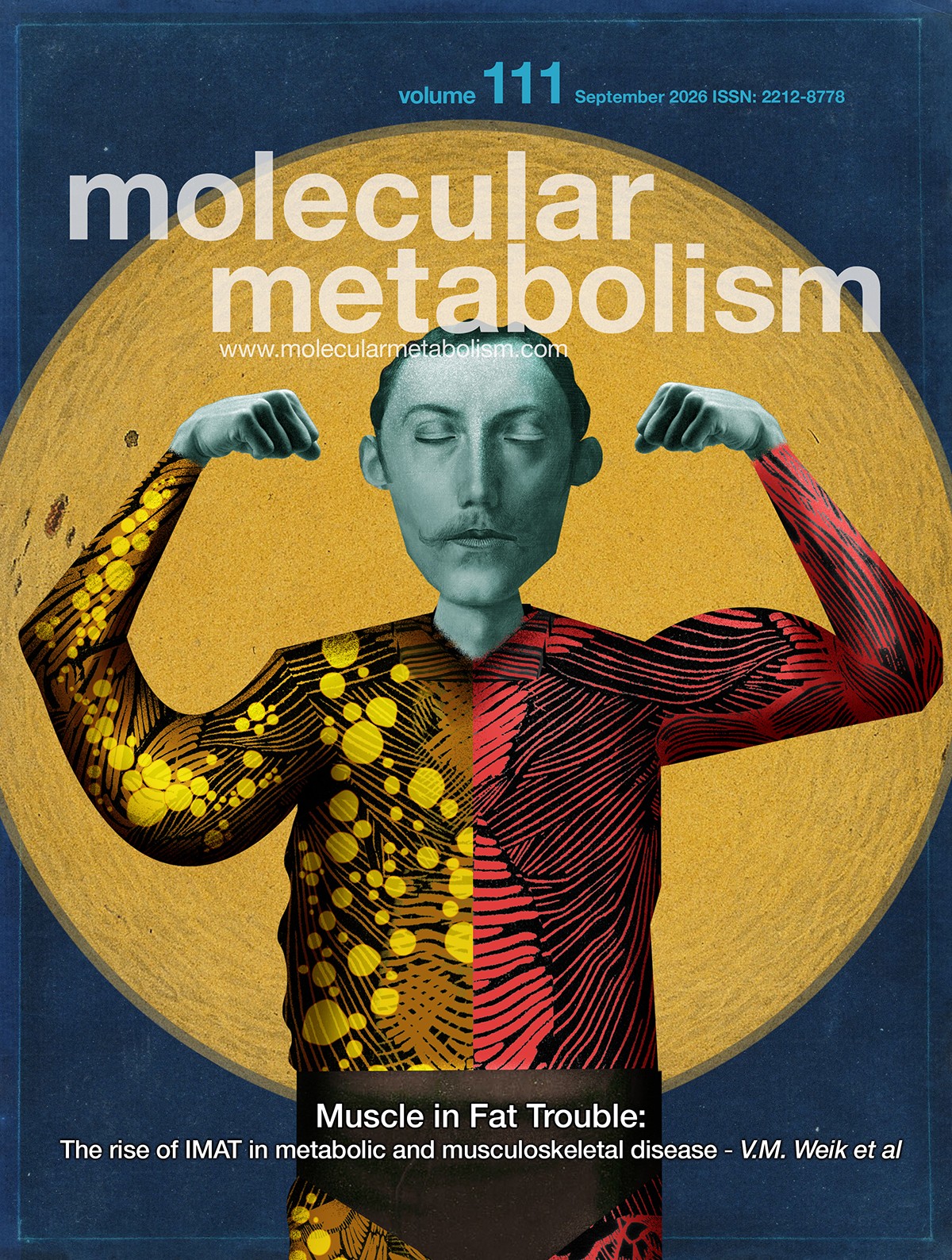
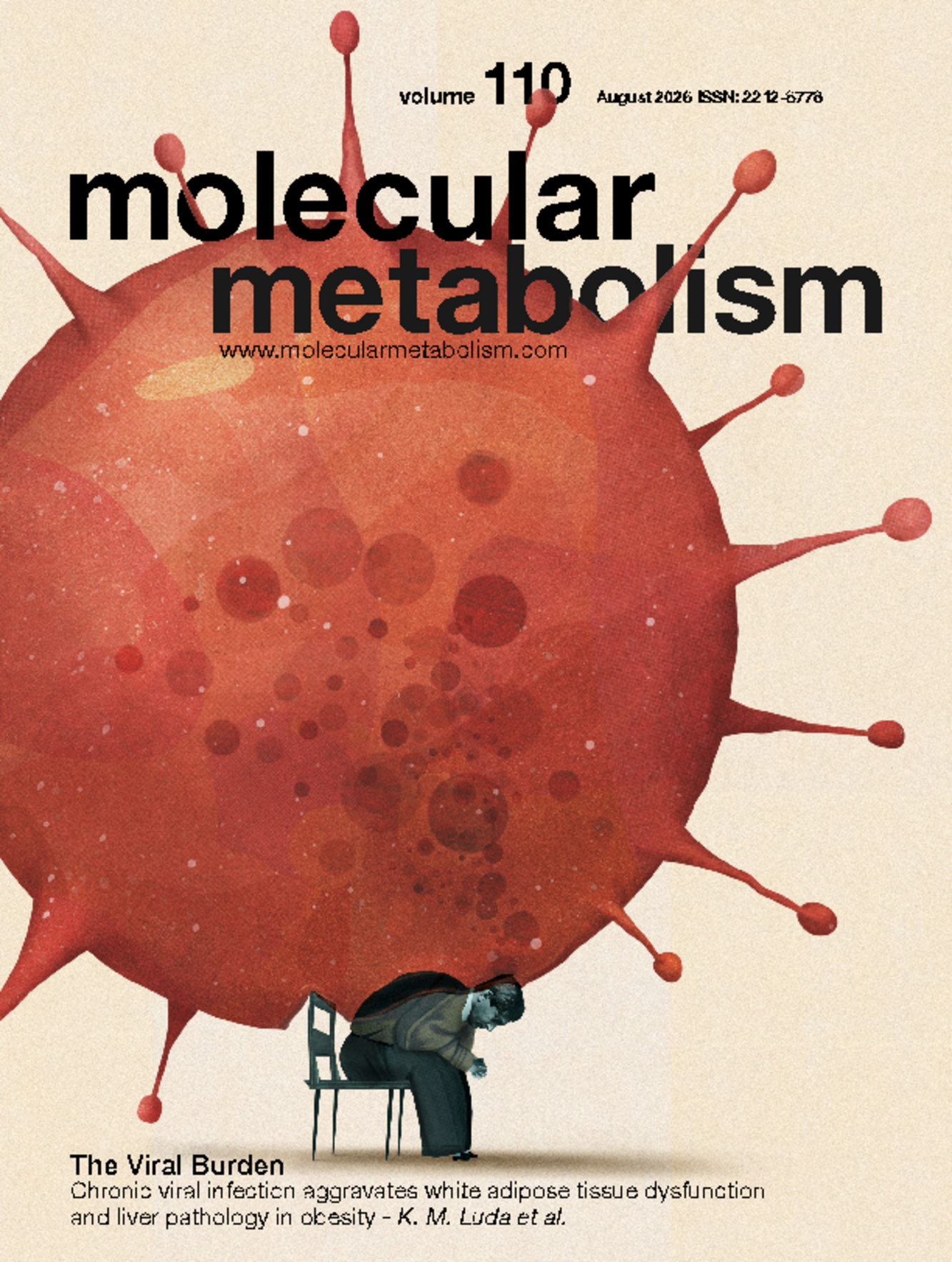
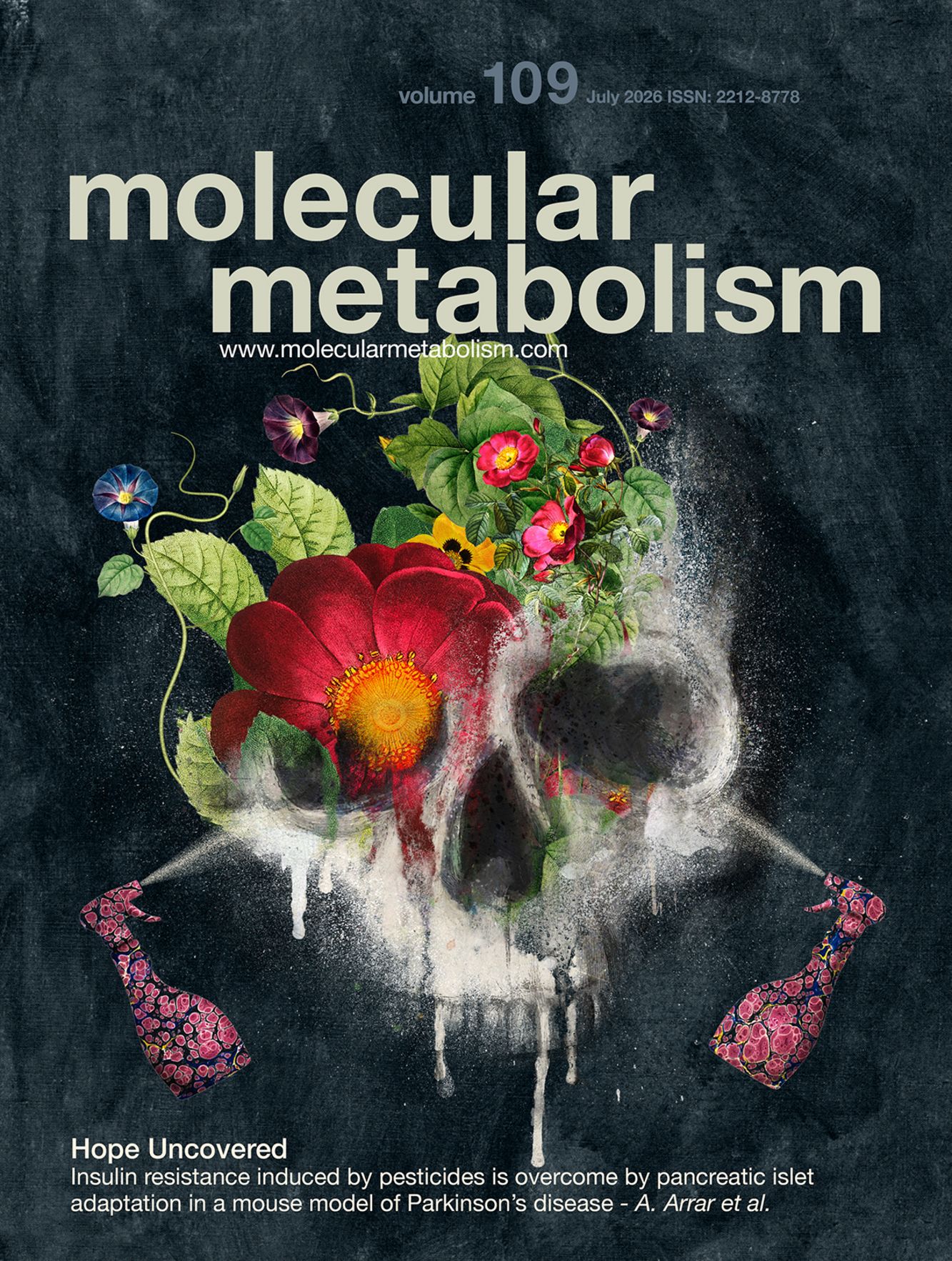
Cover Story Current Issue

Hunger and appetite are associated with fluctuations in glucose levels through mechanisms that remain incompletely understood. Hunger elicits epigastric sensations (“hunger pain”) that coincide with rhythmic gastric contractions, which intensify during hypoglycemia. These observations led to the glucostatic hypothesis, which proposed that glucose availability and utilization regulate food intake. Subsequent studies demonstrated that dynamic changes in blood glucose levels precede meal initiation and influence feeding behavior. Together, these findings provided early evidence for a physiological link between glycemia and appetite regulation.

Full text


Current Issue

AMPK inhibition and elevated angiogenin are associated with tRNA fragmentation in the male germline exposed to a high-fat diet

Eunbi Lee, Seo Yoon Choi, Seungmin Song, Anders M. Lindroth, Yoon Jung Park

AMPK inhibition and elevated angiogenin are associated with tRNA fragmentation in the male germline exposed to a high-fat diet

The existence of an inherent rewiring of metabolic regulation has been demonstrated through studies of obese mice that are fed a normal diet and produce offspring with metabolic disorders. tRNA-derived fragments (tRFs) have been suggested as a potential mediator of this inheritance. To explore a mechanism underlying metabolic stress-induced tRNA fragmentation, we examined the effects of a HFD on tRFs in sperm. Small RNA sequencing on sperm revealed that HFD-induced metabolic changes affect the tRF profiles, showing a trend of decreased 5′-derived tRFs and increased 3′-derived tRFs, suggesting a shift in tRNA cleavage patterns under HFD feeding. In conjunction with the alteration of tRFs, the expression of Ang, which encodes the ribonuclease angiogenin, was significantly increased in the testis. Transcriptome and metabolome analyses indicated that AMPK-mTOR signaling pathway was the possible mediator of these effects, with decreased AMPK activity and increased mTOR activity confirmed at the protein level in the testis. Moreover, in vitro experiments showed that AMPK inhibition led to increased angiogenin expression level and alterations in tRF profile. In vitro angiogenin induction experiments, designed to mimic HFD conditions, produced changes in tRF profiles similar to those observed in HFD-fed mice, although the resulting tRF profiles did not completely recapitulate the in vivo HFD-induced profiles. Our findings suggest that HFD-induced metabolic stress inhibits AMPK during spermatogenesis, leading to increased Ang expression and altered tRF remodeling.

Articles in Press

AMPK inhibition and elevated angiogenin are associated with tRNA fragmentation in the male germline exposed to a high-fat diet

Eunbi Lee, Seo Yoon Choi, Seungmin Song, Anders M. Lindroth, Yoon Jung Park

AMPK inhibition and elevated angiogenin are associated with tRNA fragmentation in the male germline exposed to a high-fat diet

The existence of an inherent rewiring of metabolic regulation has been demonstrated through studies of obese mice that are fed a normal diet and produce offspring with metabolic disorders. tRNA-derived fragments (tRFs) have been suggested as a potential mediator of this inheritance. To explore a mechanism underlying metabolic stress-induced tRNA fragmentation, we examined the effects of a HFD on tRFs in sperm. Small RNA sequencing on sperm revealed that HFD-induced metabolic changes affect the tRF profiles, showing a trend of decreased 5′-derived tRFs and increased 3′-derived tRFs, suggesting a shift in tRNA cleavage patterns under HFD feeding. In conjunction with the alteration of tRFs, the expression of Ang, which encodes the ribonuclease angiogenin, was significantly increased in the testis. Transcriptome and metabolome analyses indicated that AMPK-mTOR signaling pathway was the possible mediator of these effects, with decreased AMPK activity and increased mTOR activity confirmed at the protein level in the testis. Moreover, in vitro experiments showed that AMPK inhibition led to increased angiogenin expression level and alterations in tRF profile. In vitro angiogenin induction experiments, designed to mimic HFD conditions, produced changes in tRF profiles similar to those observed in HFD-fed mice, although the resulting tRF profiles did not completely recapitulate the in vivo HFD-induced profiles. Our findings suggest that HFD-induced metabolic stress inhibits AMPK during spermatogenesis, leading to increased Ang expression and altered tRF remodeling.

Registration & Abstract Submission are open!

13th
Helmholtz Diabetes Conference 

Munich, 21-23. Sep 2026                                                                                                                             

2024 impact factor: 6.6

You are what you eat

Here is a video of Vimeo. When the iframes is activated, a connection to Vimeo is established and, if necessary, cookies from Vimeo are also used. For further information on cookies policy click here.

Auf Werbeinhalte, die vor, während oder nach Videos von WEBSITE-URL eingeblendet werden, hat WEBSITE-URL keinen Einfluss. Wir übernehmen keine Gewähr für diese Inhalte. Weitere Informationen finden Sie hier.