


Cover Story Current Issue
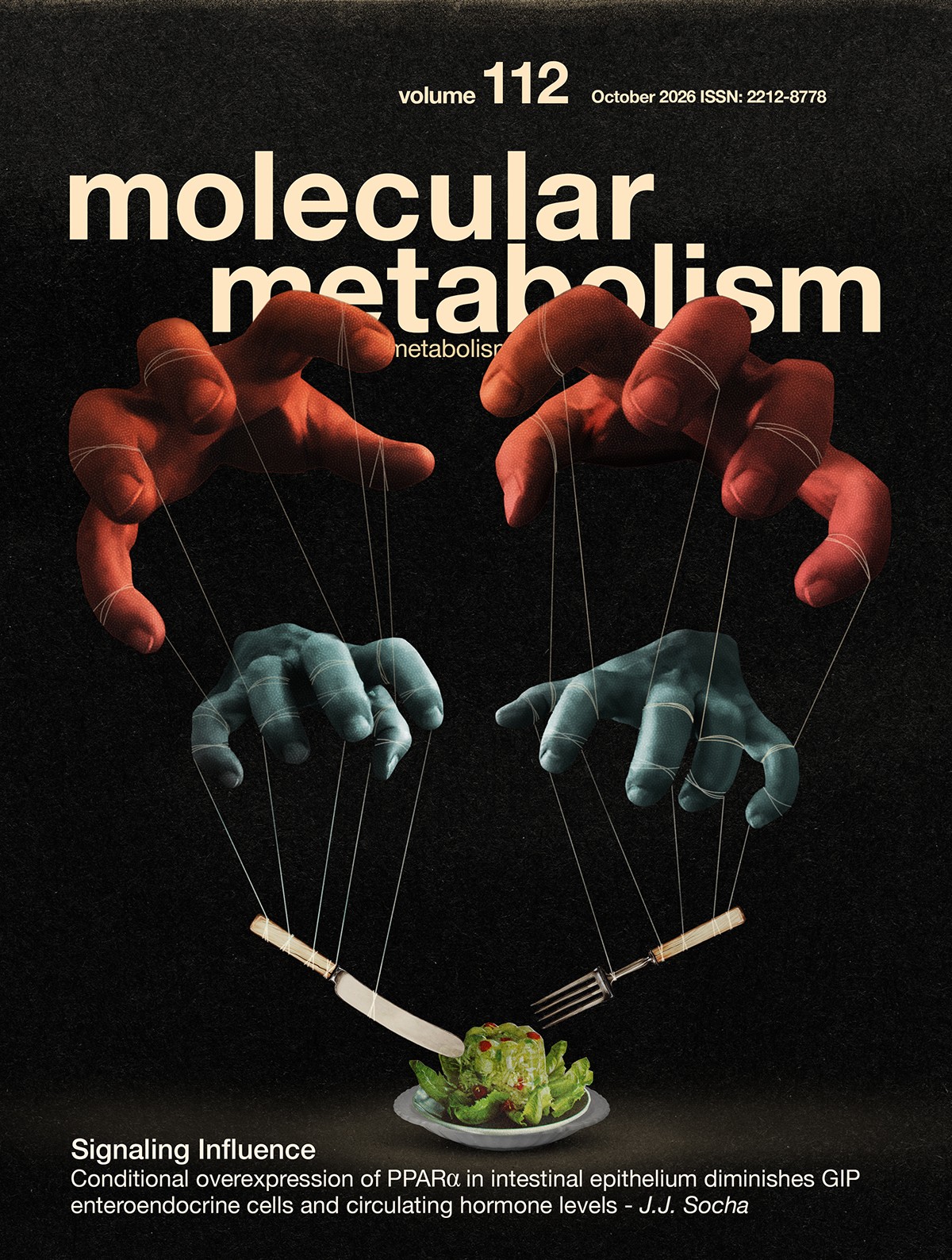
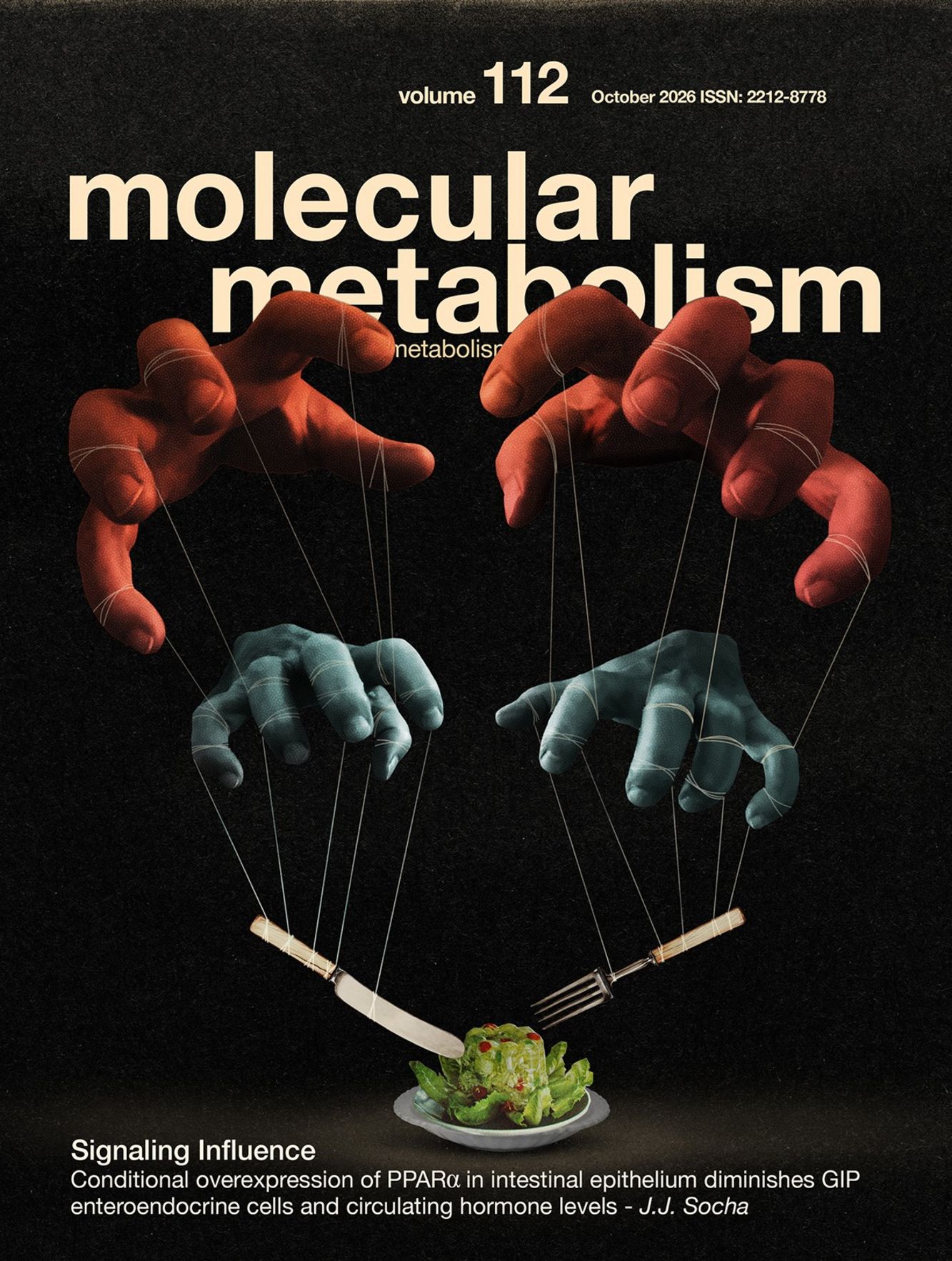
The small intestine, as the primary site of nutrient absorption, integrates signals from dietary components and gut microbiota to coordinate systemic energy balance, metabolism, and glucose homeostasis alongside other tissues such as the pancreas, liver, and brain. Nuclear receptors represent one mechanism by which the intestinal epithelium senses and respond to dietary signals via transcriptional regulation of metabolic programs. The Peroxisome Proliferator Activated Receptors (PPARs), including PPARα, PPARδ, and PPARγ, are lipid-responsive nuclear hormone receptors. PPAR transcriptional activity is highly context-dependent, shaped by the availability and affinity of their lipid ligands and co-regulators as well as by cell and tissue types. Whereas PPARγ and PPARδ are established regulators of glucose homeostasis, acting in white adipose tissue, skeletal muscle, and liver to improve insulin sensitivity, PPARα has been primarily associated with hepatic lipid metabolism, where it promotes fatty acid transport, β-oxidation, and ketogenesis. Due to their roles in lipid metabolism and anti-inflammatory processes, selective PPAR agonists are being actively pursued as therapies in clinical and pre-clinical studies for metabolic diseases. Thus, it is critical to improve our understanding of the context-specific and tissue-specific effects of PPAR signaling.
Current Issue
Insulin resistance induced by pesticides is overcome by pancreatic islet adaptation in a mouse model of Parkinson's disease
Insulin resistance induced by pesticides is overcome by pancreatic islet adaptation in a mouse model of Parkinson's disease
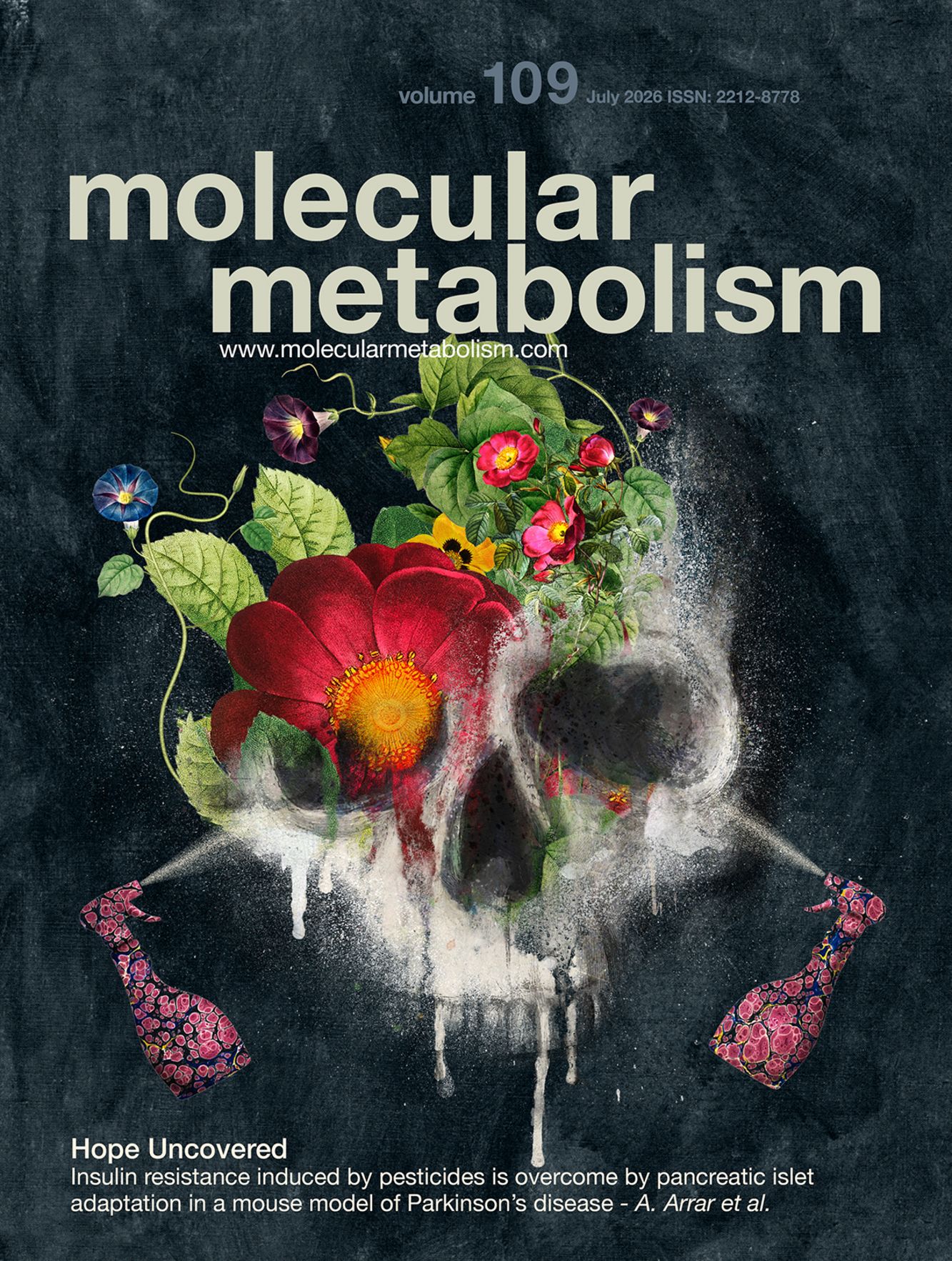
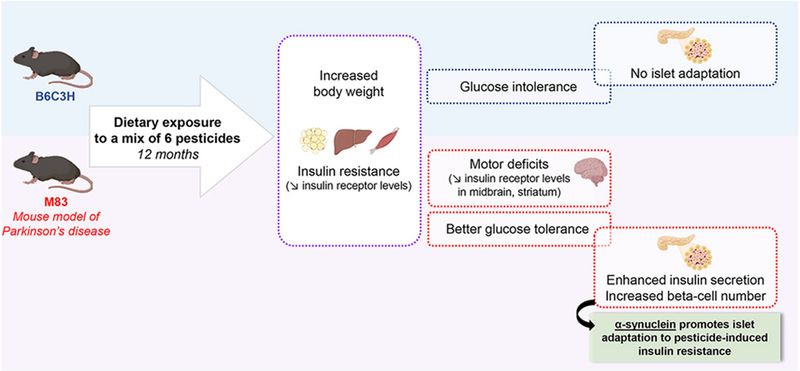
Exposure to certain pesticides appears to be involved in type 2 diabetes and Parkinson's disease onset which are reported to be epidemiologically associated. While the exact causes of this association and the deleterious mechanisms linking these aging-associated diseases are not fully known, it seems important to assess the extent to which environmental factors such as pesticides could be involved. Our aim was to evaluate the consequences of chronic dietary exposure to a mixture of pesticides at levels below the Acceptable Daily Intake in transgenic mice predisposed to develop motor disorders. Male mice expressing mutated A53T human α-synuclein (M83) and wild-type mice were fed either a control or a diet enriched with 6 pesticides (captan, boscalid, chlorpyrifos, thiachloprid, thiofanate, ziram) for 50 weeks. Exposure to pesticides led to body weight gain and insulin resistance in wild-type and M83 mice, caused, at least in part, by a reduction in insulin receptor levels in liver, skeletal muscle and adipose tissue. However, only M83 mice exposed to pesticides showed early motor deficits associated with decreased insulin receptor levels in midbrain and striatum. While pesticides promoted glucose intolerance in wild-type mice, M83 mice surprisingly showed improved glucose tolerance accompanied by a significant increase in pancreatic beta-cell mass and function. Transcriptomic analysis further revealed an enrichment of genes involved in amino-acid metabolism in M83 mouse islets with abundant α-synuclein expression. Overall, exposure to pesticides led to insulin resistance, which can be overcome thanks to a previously unrecognized role of α-synuclein in beta-cell adaptation.
Articles in Press
Insulin resistance induced by pesticides is overcome by pancreatic islet adaptation in a mouse model of Parkinson's disease
Insulin resistance induced by pesticides is overcome by pancreatic islet adaptation in a mouse model of Parkinson's disease
Exposure to certain pesticides appears to be involved in type 2 diabetes and Parkinson's disease onset which are reported to be epidemiologically associated. While the exact causes of this association and the deleterious mechanisms linking these aging-associated diseases are not fully known, it seems important to assess the extent to which environmental factors such as pesticides could be involved. Our aim was to evaluate the consequences of chronic dietary exposure to a mixture of pesticides at levels below the Acceptable Daily Intake in transgenic mice predisposed to develop motor disorders. Male mice expressing mutated A53T human α-synuclein (M83) and wild-type mice were fed either a control or a diet enriched with 6 pesticides (captan, boscalid, chlorpyrifos, thiachloprid, thiofanate, ziram) for 50 weeks. Exposure to pesticides led to body weight gain and insulin resistance in wild-type and M83 mice, caused, at least in part, by a reduction in insulin receptor levels in liver, skeletal muscle and adipose tissue. However, only M83 mice exposed to pesticides showed early motor deficits associated with decreased insulin receptor levels in midbrain and striatum. While pesticides promoted glucose intolerance in wild-type mice, M83 mice surprisingly showed improved glucose tolerance accompanied by a significant increase in pancreatic beta-cell mass and function. Transcriptomic analysis further revealed an enrichment of genes involved in amino-acid metabolism in M83 mouse islets with abundant α-synuclein expression. Overall, exposure to pesticides led to insulin resistance, which can be overcome thanks to a previously unrecognized role of α-synuclein in beta-cell adaptation.

2025 Impact Factor: 6.3
You are what you eat
Here is a video of Vimeo. When the iframes is activated, a connection to Vimeo is established and, if necessary, cookies from Vimeo are also used. For further information on cookies policy click here.