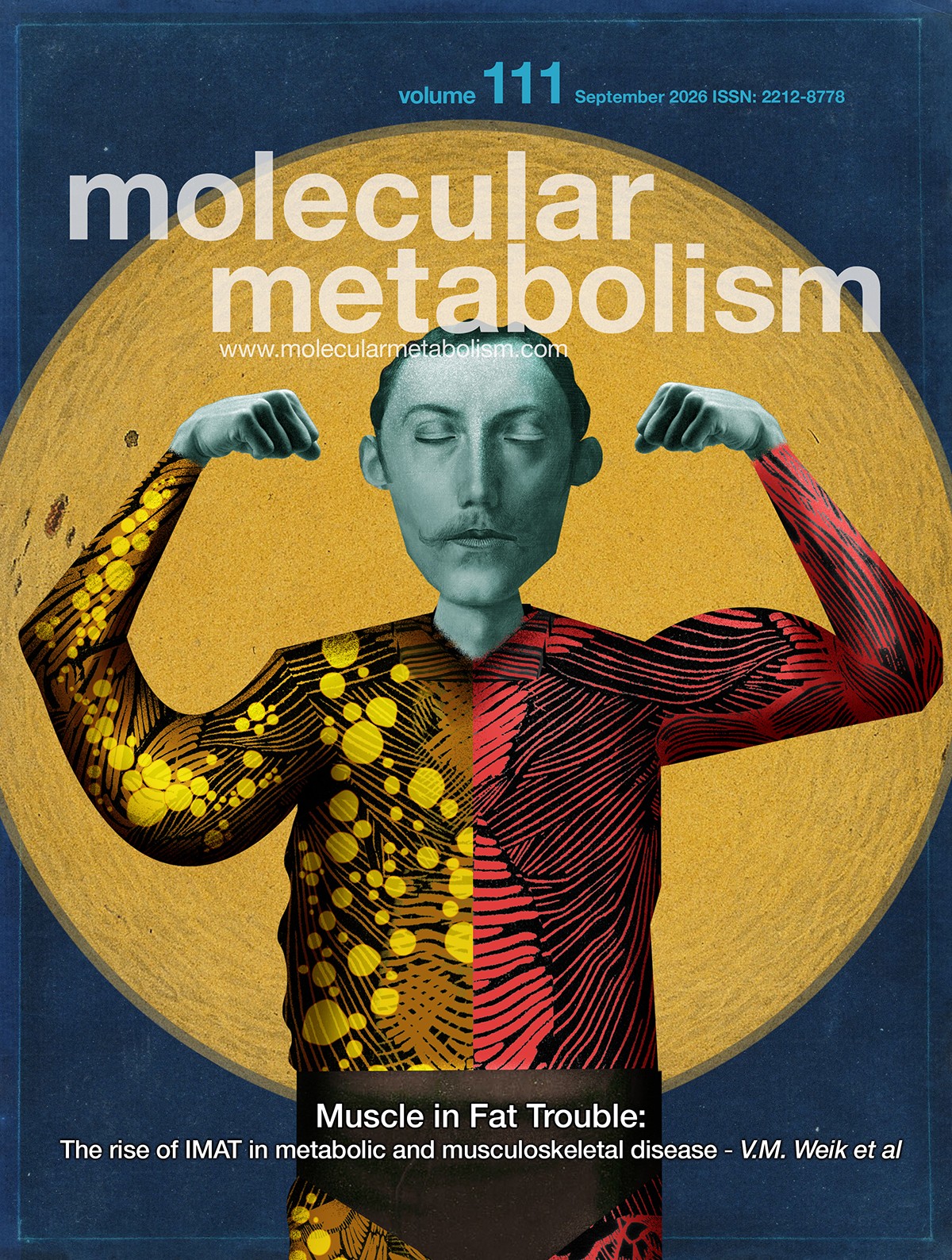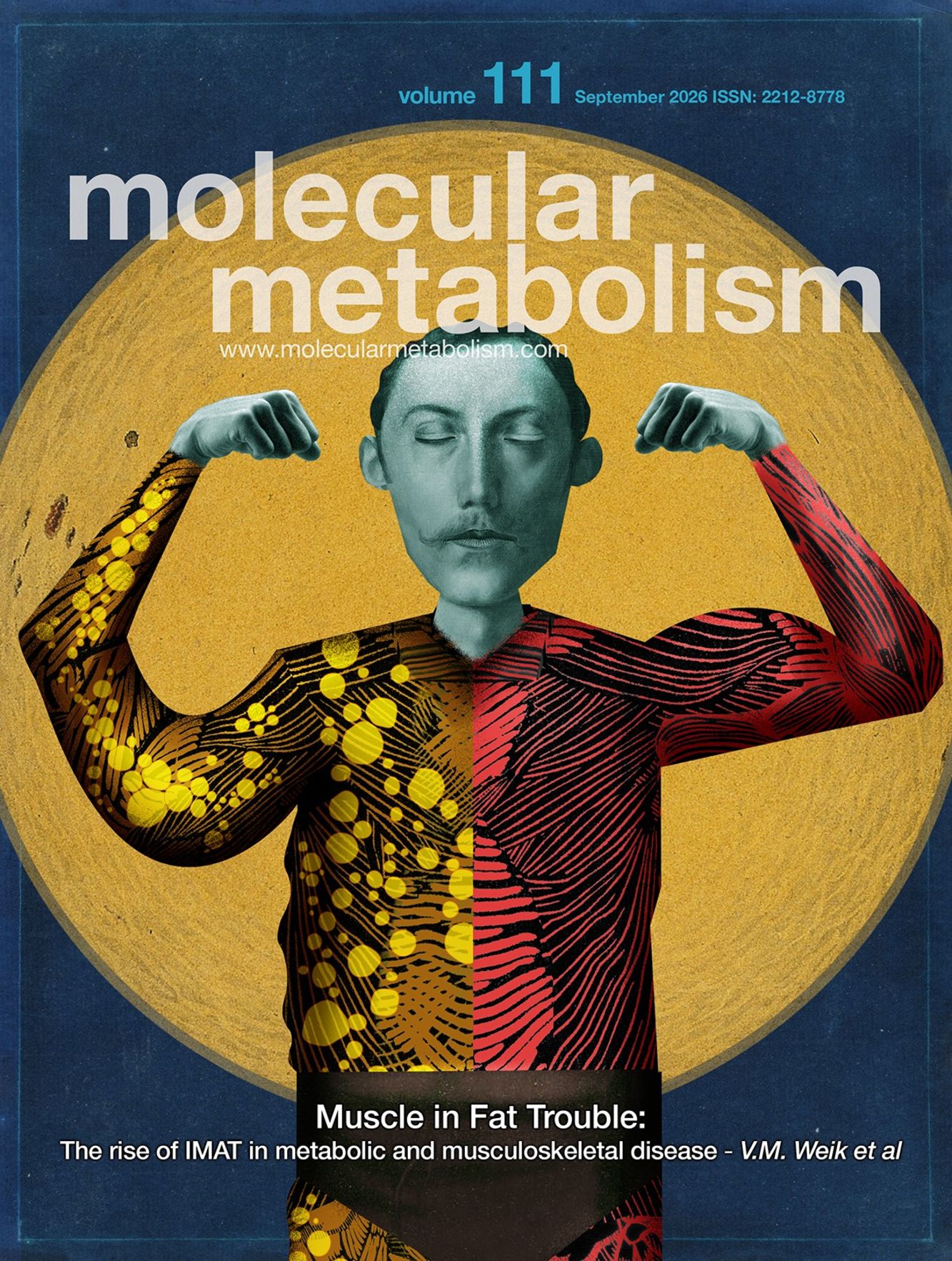


Cover Story Current Issue

Viral infections are recognized as contributing factors in the pathogenesis of metabolic diseases. Viruses causing chronic infection are particularly important due to their capacity to induce sustained inflammation. Especially individuals with obesity - who exhibit preexisting metabolic abnormalities, low-grade inflammation, and altered antiviral responses - are at increased risk of viral infection-induced metabolic complications. Despite these associations, the specific metabolic consequences of chronic viral infections in obesity remain insufficiently characterized.

Full text


Current Issue

Chronic semaglutide alters ingestive behavior without impairing taste function in mice

Alisha A. Acosta, Hillary Ellis, Fang-Yu Hsu, Karen K. Yee, ... Amber L. Alhadeff

Chronic semaglutide alters ingestive behavior without impairing taste function in mice

Glucagon-like peptide-1 receptor (GLP-1R) agonists such as semaglutide are highly effective treatments for obesity, yet the mechanisms by which they reduce food intake remain incompletely understood. Because taste plays a critical role in guiding food intake, several clinical studies have investigated whether GLP-1R agonists alter taste function, but these reports have yielded conflicting results. Here, we systematically tested the effects of chronic semaglutide treatment on taste responsivity in diet-induced obese mice. Mice were evaluated using brief-access gustometer tests to assess responses to sweet, bitter, sour, salty, and fatty tastants. Chronic semaglutide treatment produced robust weight loss but did not alter lick rates for any tastant, indicating intact taste-driven orosensory evaluation across modalities. Psychophysical analysis using a broad range of sucrose concentrations revealed similar concentration-response functions and comparable EC50 values between vehicle- and semaglutide-treated mice, demonstrating unchanged sweet taste sensitivity. However, semaglutide modestly increased total licking and trial initiation for sucrose, suggesting enhanced behavioral engagement rather than altered taste perception. Consistent with the behavioral findings on taste, semaglutide did not affect the abundance of taste receptor cell subtypes in the circumvallate papillae or the expression of genes involved in taste receptor signaling and neurotransmission. Together, these results indicate that chronic semaglutide does not detectably impair peripheral taste function in mice under our experimental conditions. Instead, GLP-1R agonists likely influence ingestive behavior through mechanisms independent of taste signaling, potentially involving alterations in motivational processes.


Articles in Press

Chronic semaglutide alters ingestive behavior without impairing taste function in mice

Alisha A. Acosta, Hillary Ellis, Fang-Yu Hsu, Karen K. Yee, ... Amber L. Alhadeff

Chronic semaglutide alters ingestive behavior without impairing taste function in mice

Glucagon-like peptide-1 receptor (GLP-1R) agonists such as semaglutide are highly effective treatments for obesity, yet the mechanisms by which they reduce food intake remain incompletely understood. Because taste plays a critical role in guiding food intake, several clinical studies have investigated whether GLP-1R agonists alter taste function, but these reports have yielded conflicting results. Here, we systematically tested the effects of chronic semaglutide treatment on taste responsivity in diet-induced obese mice. Mice were evaluated using brief-access gustometer tests to assess responses to sweet, bitter, sour, salty, and fatty tastants. Chronic semaglutide treatment produced robust weight loss but did not alter lick rates for any tastant, indicating intact taste-driven orosensory evaluation across modalities. Psychophysical analysis using a broad range of sucrose concentrations revealed similar concentration-response functions and comparable EC50 values between vehicle- and semaglutide-treated mice, demonstrating unchanged sweet taste sensitivity. However, semaglutide modestly increased total licking and trial initiation for sucrose, suggesting enhanced behavioral engagement rather than altered taste perception. Consistent with the behavioral findings on taste, semaglutide did not affect the abundance of taste receptor cell subtypes in the circumvallate papillae or the expression of genes involved in taste receptor signaling and neurotransmission. Together, these results indicate that chronic semaglutide does not detectably impair peripheral taste function in mice under our experimental conditions. Instead, GLP-1R agonists likely influence ingestive behavior through mechanisms independent of taste signaling, potentially involving alterations in motivational processes.


Early Bird Registration extended until 16 Aug!

13th
Helmholtz Diabetes Conference 

Munich, 21-23. Sep 2026                                                                                                                             

2024 impact factor: 6.6

You are what you eat

Here is a video of Vimeo. When the iframes is activated, a connection to Vimeo is established and, if necessary, cookies from Vimeo are also used. For further information on cookies policy click here.

Auf Werbeinhalte, die vor, während oder nach Videos von WEBSITE-URL eingeblendet werden, hat WEBSITE-URL keinen Einfluss. Wir übernehmen keine Gewähr für diese Inhalte. Weitere Informationen finden Sie hier.