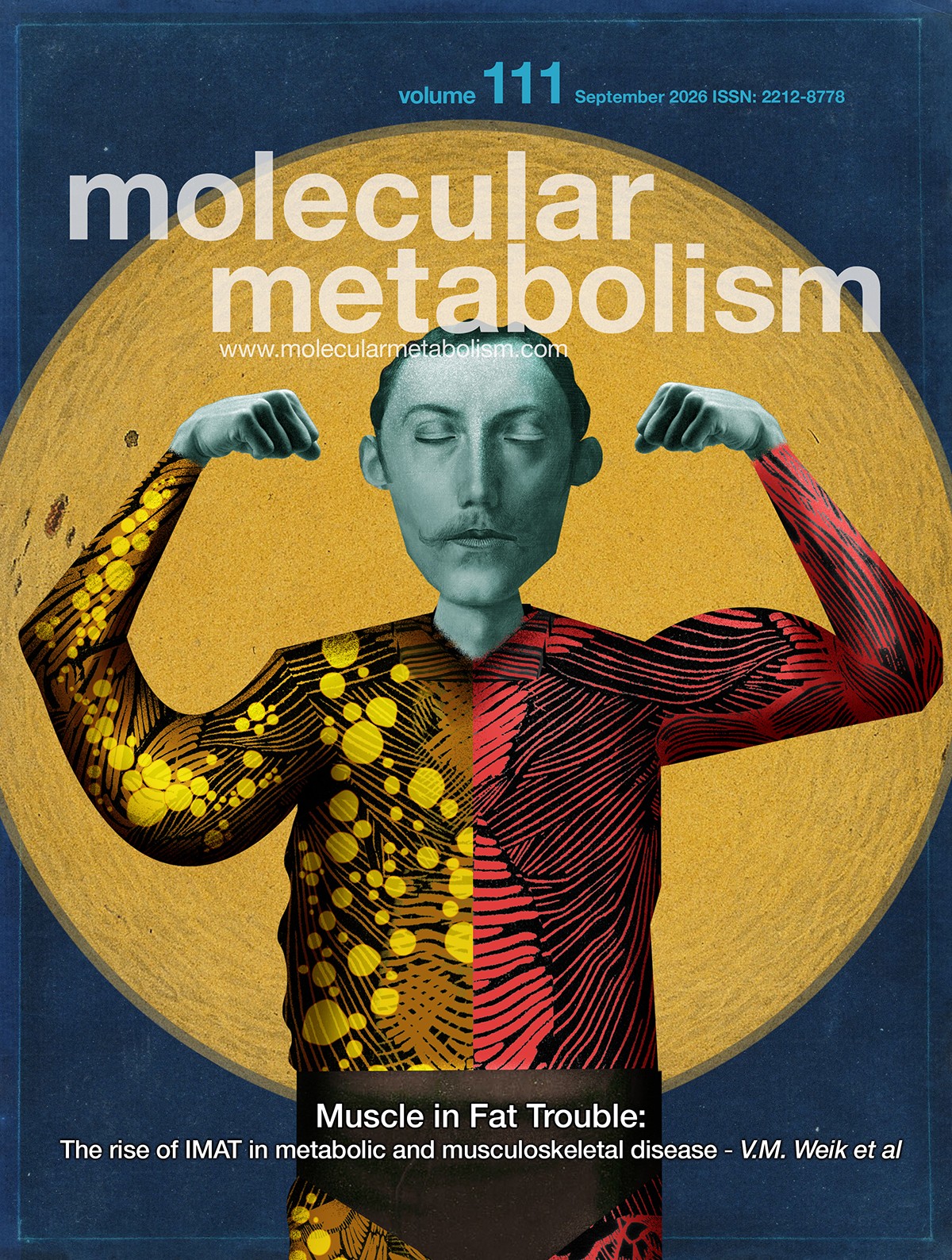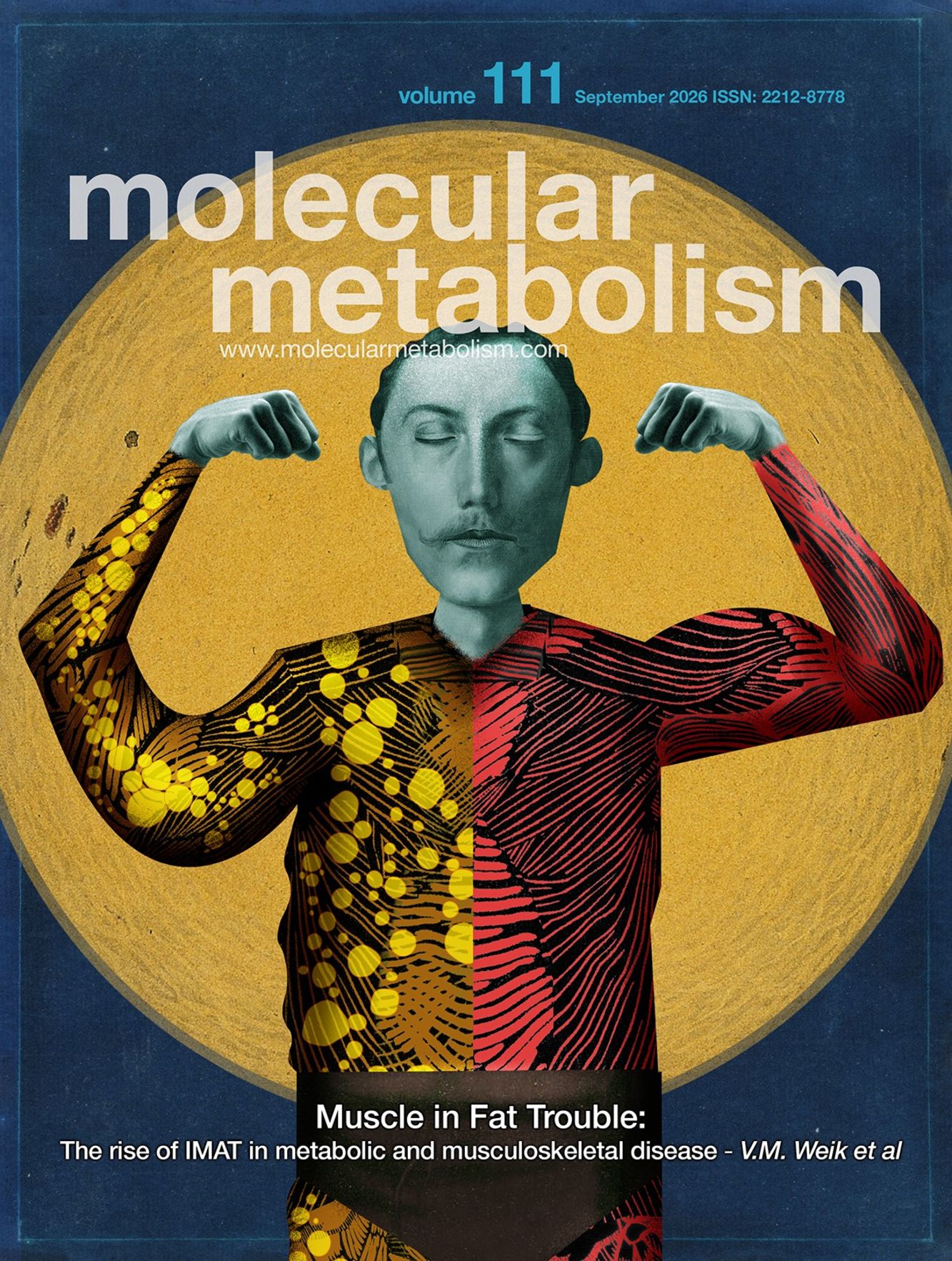
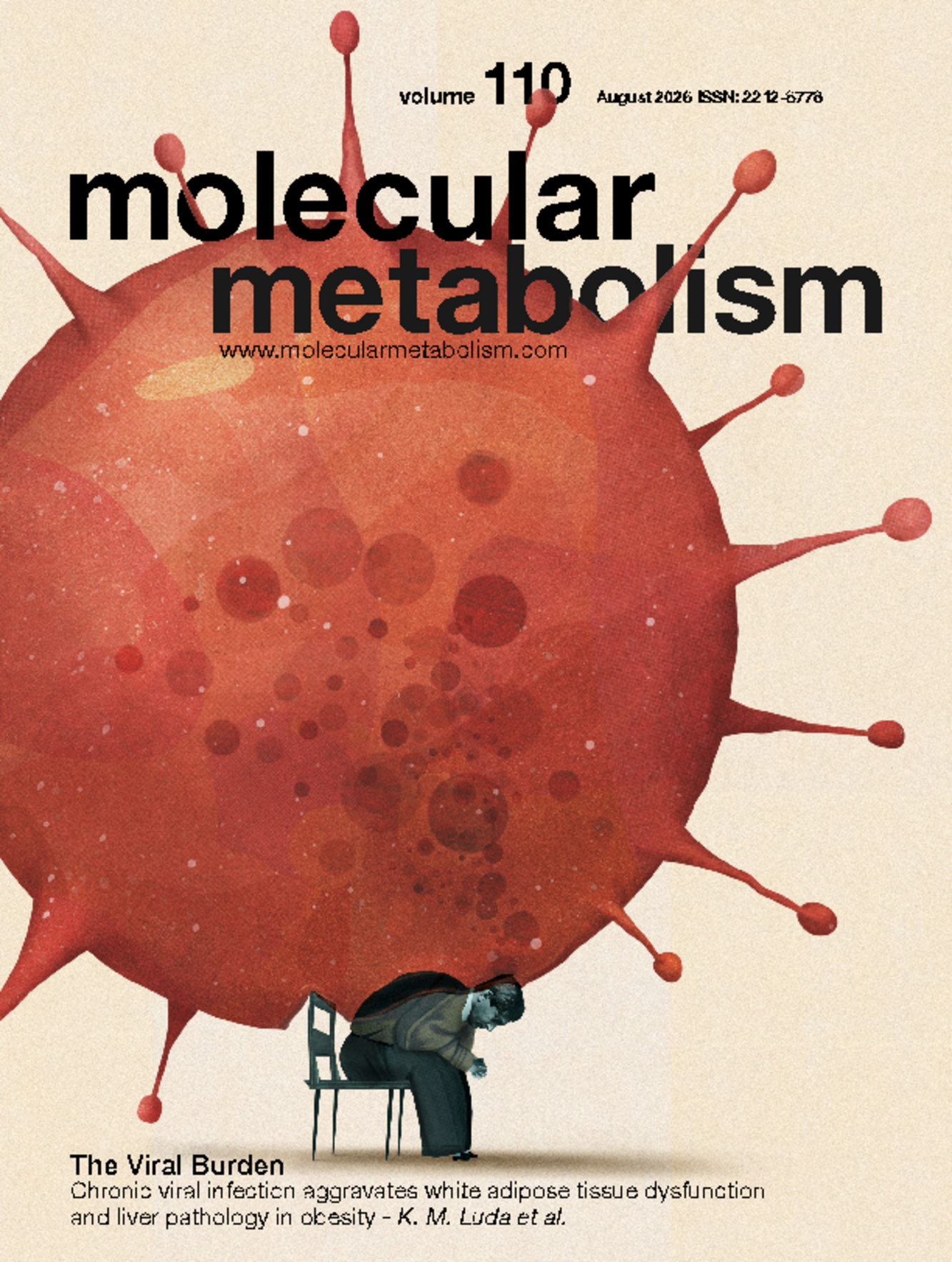
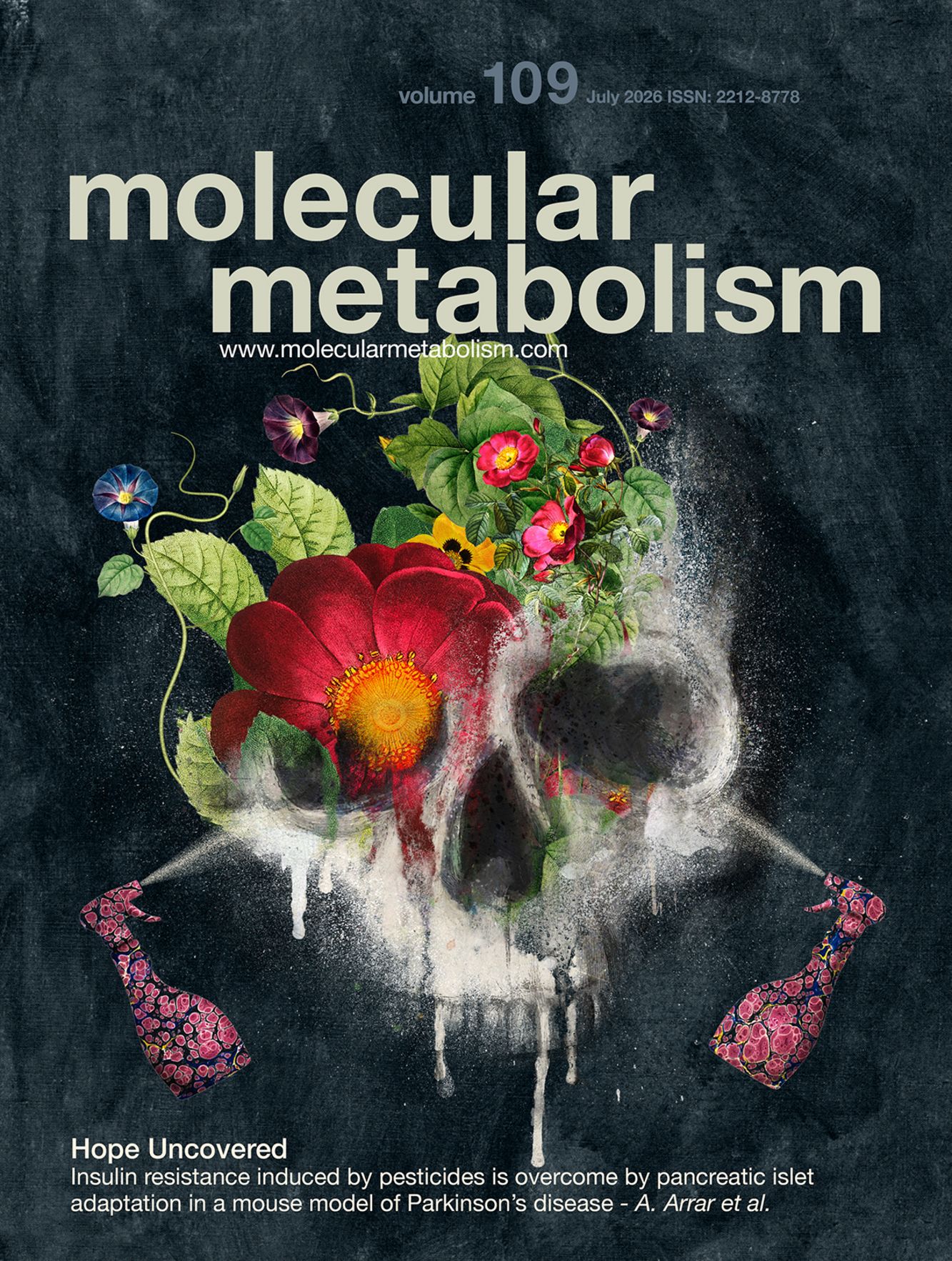
Cover Story Current Issue

Viral infections are recognized as contributing factors in the pathogenesis of metabolic diseases. Viruses causing chronic infection are particularly important due to their capacity to induce sustained inflammation. Especially individuals with obesity - who exhibit preexisting metabolic abnormalities, low-grade inflammation, and altered antiviral responses - are at increased risk of viral infection-induced metabolic complications. Despite these associations, the specific metabolic consequences of chronic viral infections in obesity remain insufficiently characterized.

Full text


Current Issue

Glucokinase activity suppresses hepatic cholesterol synthesis and triglyceride accumulation: A new model for the effects of the GKRP P466L common human variant

Dominic Santoleri, Sarah Traynor, Ryan P. Calhoun, Matthew J. Gavin, ... Paul M. Titchenell

Glucokinase activity suppresses hepatic cholesterol synthesis and triglyceride accumulation: A new model for the effects of the GKRP P466L common human variant

Objectives

Glucokinase Regulatory Protein (GKRP) controls the activity of Glucokinase (GCK) to regulate liver glucose uptake and storage. Coding variants in GCKR, the gene encoding GKRP, strongly associate with fatty liver disease, hypertriglyceridemia, and hypercholesterolemia. Here, we sought to investigate the mechanisms by which a common GKRP variant affects hepatic lipid and cholesterol metabolism.

Methods

We developed mouse models to examine how the human GKRP P446L variant influences liver and systemic metabolism. Endogenous Gckr expression was ablated in adult mouse hepatocytes, together with re-expression of either human GKRP P446L or the reference GKRP protein. We assessed body weight, adiposity, systemic glucose homeostasis, and hepatic metabolites in mice expressing reference GKRP or GKRP P446L under multiple metabolic conditions. To determine whether the effects of GKRP P446L may result from reduced GCK activity, we analyzed mice with liver-specific deletion of Gck.

Results

Hepatic expression of GKRP P446L decreased GKRP and GCK protein levels and elevated serum cholesterol. Hepatic deletion of Gck in mice recapitulated several effects of GKRP P446L, including increased hepatic cholesterol and triglyceride content. The elevated cholesterol was associated with increased cholesterogenic gene expression and cholesterol synthesis. Hepatic expression of an alternative hexokinase (HKII) normalized the effects of GCK-deficiency, suggesting that impaired glucose phosphorylation underlies the phenotype.

Conclusions

The GKRP P446L variant reduced GKRP protein abundance, and diminished GCK activity while increasing cholesterol levels. Loss of GCK elevated cholesterol and hepatic triglyceride levels. Collectively, these findings demonstrate that GCK suppresses hepatic cholesterol synthesis and lipid accumulation, suggesting that reduced GCK activity underlies the metabolic abnormalities associated with the GKRP P446L variant.

Articles in Press

Glucokinase activity suppresses hepatic cholesterol synthesis and triglyceride accumulation: A new model for the effects of the GKRP P466L common human variant

Dominic Santoleri, Sarah Traynor, Ryan P. Calhoun, Matthew J. Gavin, ... Paul M. Titchenell

Glucokinase activity suppresses hepatic cholesterol synthesis and triglyceride accumulation: A new model for the effects of the GKRP P466L common human variant

Objectives

Glucokinase Regulatory Protein (GKRP) controls the activity of Glucokinase (GCK) to regulate liver glucose uptake and storage. Coding variants in GCKR, the gene encoding GKRP, strongly associate with fatty liver disease, hypertriglyceridemia, and hypercholesterolemia. Here, we sought to investigate the mechanisms by which a common GKRP variant affects hepatic lipid and cholesterol metabolism.

Methods

We developed mouse models to examine how the human GKRP P446L variant influences liver and systemic metabolism. Endogenous Gckr expression was ablated in adult mouse hepatocytes, together with re-expression of either human GKRP P446L or the reference GKRP protein. We assessed body weight, adiposity, systemic glucose homeostasis, and hepatic metabolites in mice expressing reference GKRP or GKRP P446L under multiple metabolic conditions. To determine whether the effects of GKRP P446L may result from reduced GCK activity, we analyzed mice with liver-specific deletion of Gck.

Results

Hepatic expression of GKRP P446L decreased GKRP and GCK protein levels and elevated serum cholesterol. Hepatic deletion of Gck in mice recapitulated several effects of GKRP P446L, including increased hepatic cholesterol and triglyceride content. The elevated cholesterol was associated with increased cholesterogenic gene expression and cholesterol synthesis. Hepatic expression of an alternative hexokinase (HKII) normalized the effects of GCK-deficiency, suggesting that impaired glucose phosphorylation underlies the phenotype.

Conclusions

The GKRP P446L variant reduced GKRP protein abundance, and diminished GCK activity while increasing cholesterol levels. Loss of GCK elevated cholesterol and hepatic triglyceride levels. Collectively, these findings demonstrate that GCK suppresses hepatic cholesterol synthesis and lipid accumulation, suggesting that reduced GCK activity underlies the metabolic abnormalities associated with the GKRP P446L variant.

Early Bird Registration extended until 16 Aug!

13th
Helmholtz Diabetes Conference 

Munich, 21-23. Sep 2026                                                                                                                             

2024 impact factor: 6.6

You are what you eat

Here is a video of Vimeo. When the iframes is activated, a connection to Vimeo is established and, if necessary, cookies from Vimeo are also used. For further information on cookies policy click here.

Auf Werbeinhalte, die vor, während oder nach Videos von WEBSITE-URL eingeblendet werden, hat WEBSITE-URL keinen Einfluss. Wir übernehmen keine Gewähr für diese Inhalte. Weitere Informationen finden Sie hier.