Cover Story Current Issue

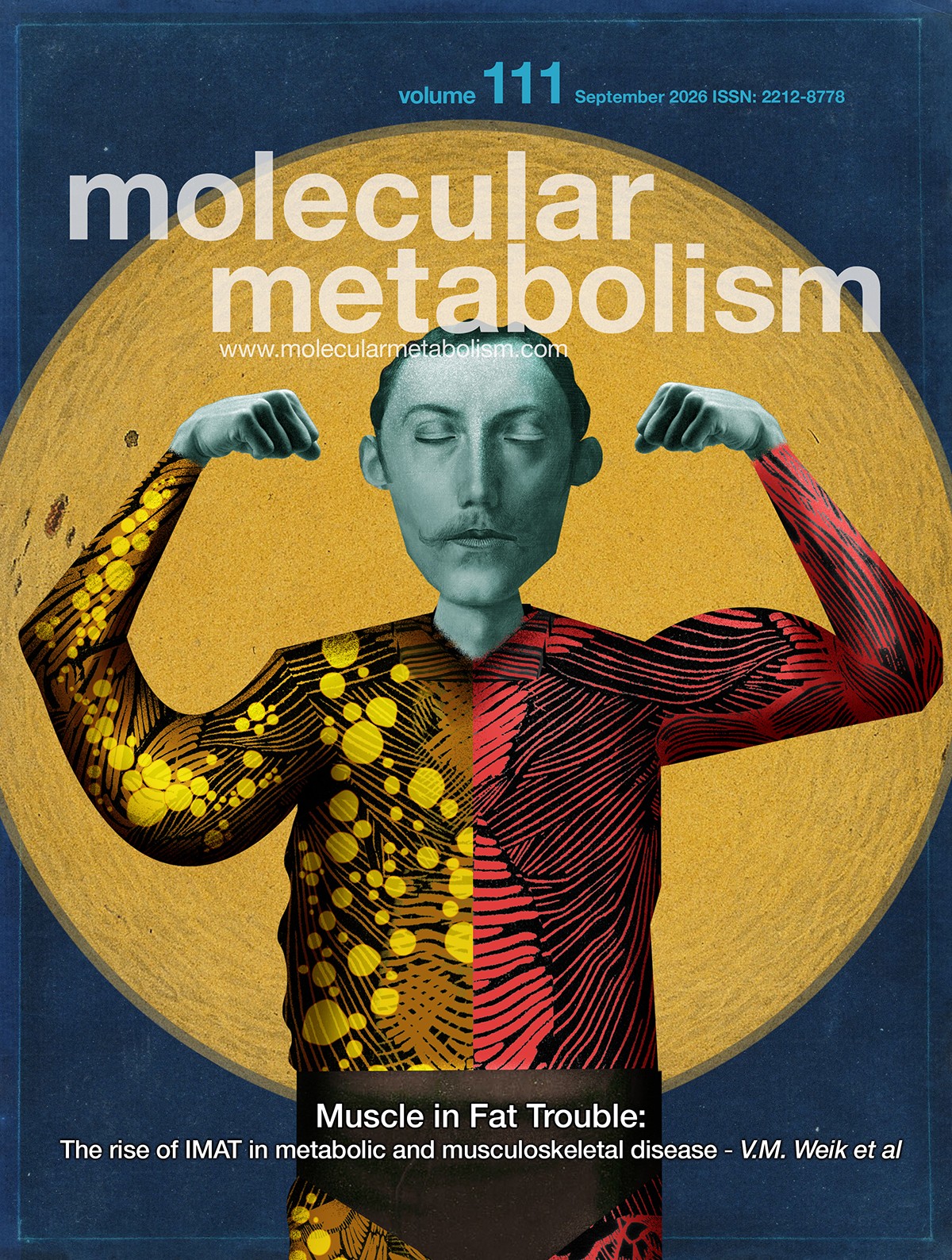
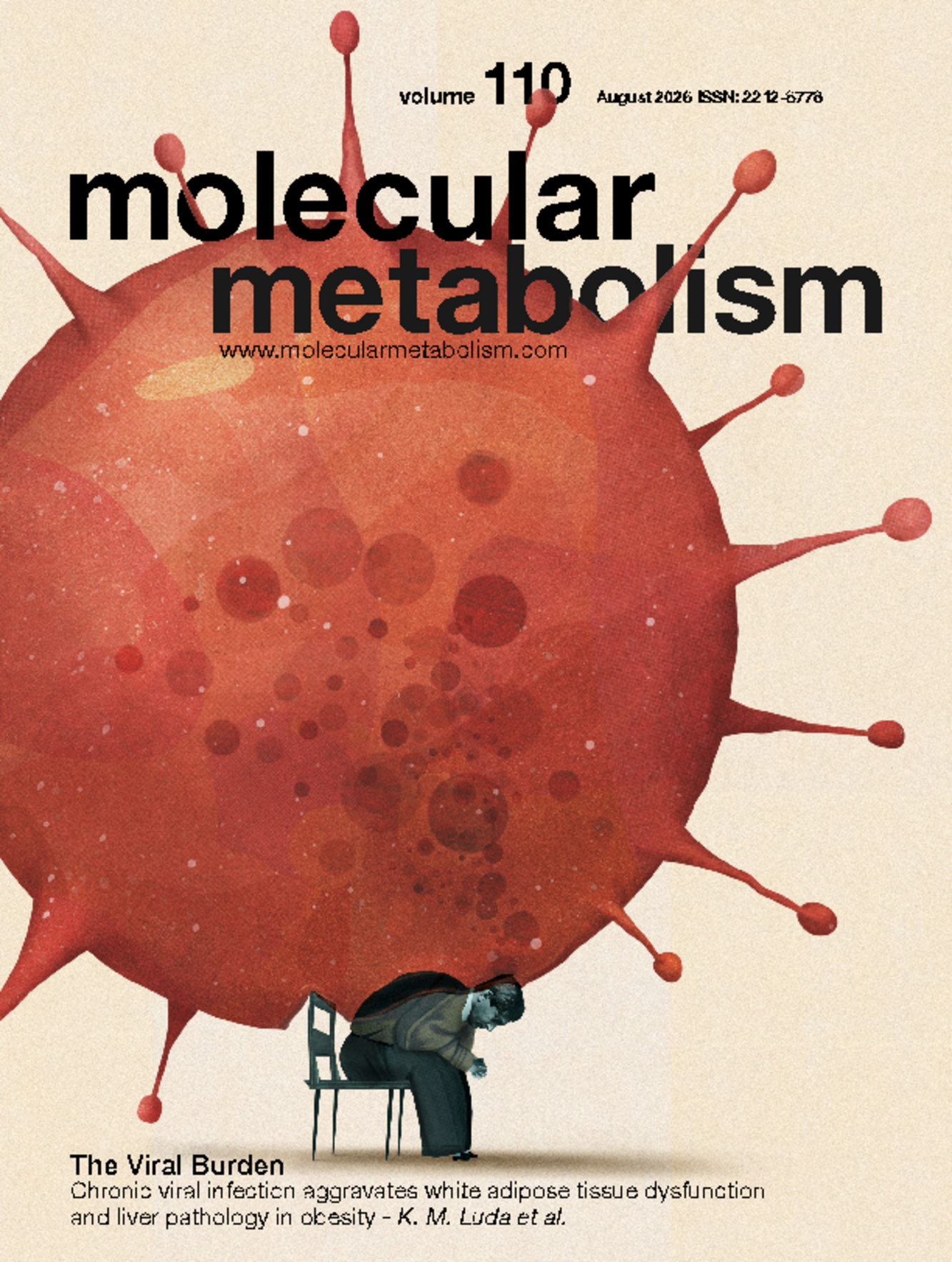
Viral infections are recognized as contributing factors in the pathogenesis of metabolic diseases. Viruses causing chronic infection are particularly important due to their capacity to induce sustained inflammation. Especially individuals with obesity - who exhibit preexisting metabolic abnormalities, low-grade inflammation, and altered antiviral responses - are at increased risk of viral infection-induced metabolic complications. Despite these associations, the specific metabolic consequences of chronic viral infections in obesity remain insufficiently characterized.

Full text


Current Issue

Venetoclax and hypomethylating agents synergize to increase cell death and metabolic remodeling in acute B-lymphoblastic leukemia cells

Patricia Maass, Sandra Lange, Felix Wittig, Nares Trakooljul, ... Anna Richter

Venetoclax and hypomethylating agents synergize to increase cell death and metabolic remodeling in acute B-lymphoblastic leukemia cells

Introduction

Overexpression of anti-apoptotic protein BCL-2 and hypermethylation are hallmarks of acute lymphoblastic leukemia (ALL) and can be pharmacologically addressed by venetoclax (VEN) and hypomethylating agents (HMA) such as azacytidine (AZA) or decitabine (DEC). Combined VEN and HMA application was recently successfully implemented into the clinical treatment regimen of acute myeloid leukemia but has so far not been investigated in ALL.

Methods

We therefore analyzed the anti-leukemic potential of VEN + HMA in four ALL cell lines and identified potential modes of synergy to overcome mono-drug-induced resistance using proliferation, metabolism, methylation and apoptotic protein expression assays. Single cell RNAseq of a VEN-treated PDX model was used to gain deeper insights into metabolic reprograming.

Results

All substances influenced proliferation and induced apoptosis in a subset of cell lines. Combined VEN and HMA application resulted in significantly reduced metabolic activity. In contrast, no synergistic effects were observed regarding the BCL-2 protein and methyltransferase expression or global methylation. Single cell RNAseq revealed that VEN interferes with both main energy supply routes, oxidative phosphorylation as well as glycolysis, to impede the cells’ metabolism and mitochondrial activity. The addition of HMA, especially DEC, increased anti-metabolic effects, leading to a strong reduction of respiration, ATP production and proton leakage. AZA-induced metabolic suppression and overall anti-leukemic activity alone and in combination with VEN was generally weaker compared to DEC.

Conclusion

Altogether, we herein demonstrate that combined VEN and HMA application acts synergistically and significantly reduces the leukemic burden in ALL cell lines via impairment of tumor cell metabolism and mitochondrial function.

Articles in Press

Venetoclax and hypomethylating agents synergize to increase cell death and metabolic remodeling in acute B-lymphoblastic leukemia cells

Patricia Maass, Sandra Lange, Felix Wittig, Nares Trakooljul, ... Anna Richter

Venetoclax and hypomethylating agents synergize to increase cell death and metabolic remodeling in acute B-lymphoblastic leukemia cells

Introduction

Overexpression of anti-apoptotic protein BCL-2 and hypermethylation are hallmarks of acute lymphoblastic leukemia (ALL) and can be pharmacologically addressed by venetoclax (VEN) and hypomethylating agents (HMA) such as azacytidine (AZA) or decitabine (DEC). Combined VEN and HMA application was recently successfully implemented into the clinical treatment regimen of acute myeloid leukemia but has so far not been investigated in ALL.

Methods

We therefore analyzed the anti-leukemic potential of VEN + HMA in four ALL cell lines and identified potential modes of synergy to overcome mono-drug-induced resistance using proliferation, metabolism, methylation and apoptotic protein expression assays. Single cell RNAseq of a VEN-treated PDX model was used to gain deeper insights into metabolic reprograming.

Results

All substances influenced proliferation and induced apoptosis in a subset of cell lines. Combined VEN and HMA application resulted in significantly reduced metabolic activity. In contrast, no synergistic effects were observed regarding the BCL-2 protein and methyltransferase expression or global methylation. Single cell RNAseq revealed that VEN interferes with both main energy supply routes, oxidative phosphorylation as well as glycolysis, to impede the cells’ metabolism and mitochondrial activity. The addition of HMA, especially DEC, increased anti-metabolic effects, leading to a strong reduction of respiration, ATP production and proton leakage. AZA-induced metabolic suppression and overall anti-leukemic activity alone and in combination with VEN was generally weaker compared to DEC.

Conclusion

Altogether, we herein demonstrate that combined VEN and HMA application acts synergistically and significantly reduces the leukemic burden in ALL cell lines via impairment of tumor cell metabolism and mitochondrial function.

Early Bird Registration extended until 16 Aug!

13th
Helmholtz Diabetes Conference 

Munich, 21-23. Sep 2026                                                                                                                             

2024 impact factor: 6.6

You are what you eat

Here is a video of Vimeo. When the iframes is activated, a connection to Vimeo is established and, if necessary, cookies from Vimeo are also used. For further information on cookies policy click here.

Auf Werbeinhalte, die vor, während oder nach Videos von WEBSITE-URL eingeblendet werden, hat WEBSITE-URL keinen Einfluss. Wir übernehmen keine Gewähr für diese Inhalte. Weitere Informationen finden Sie hier.