Cover Story Current Issue

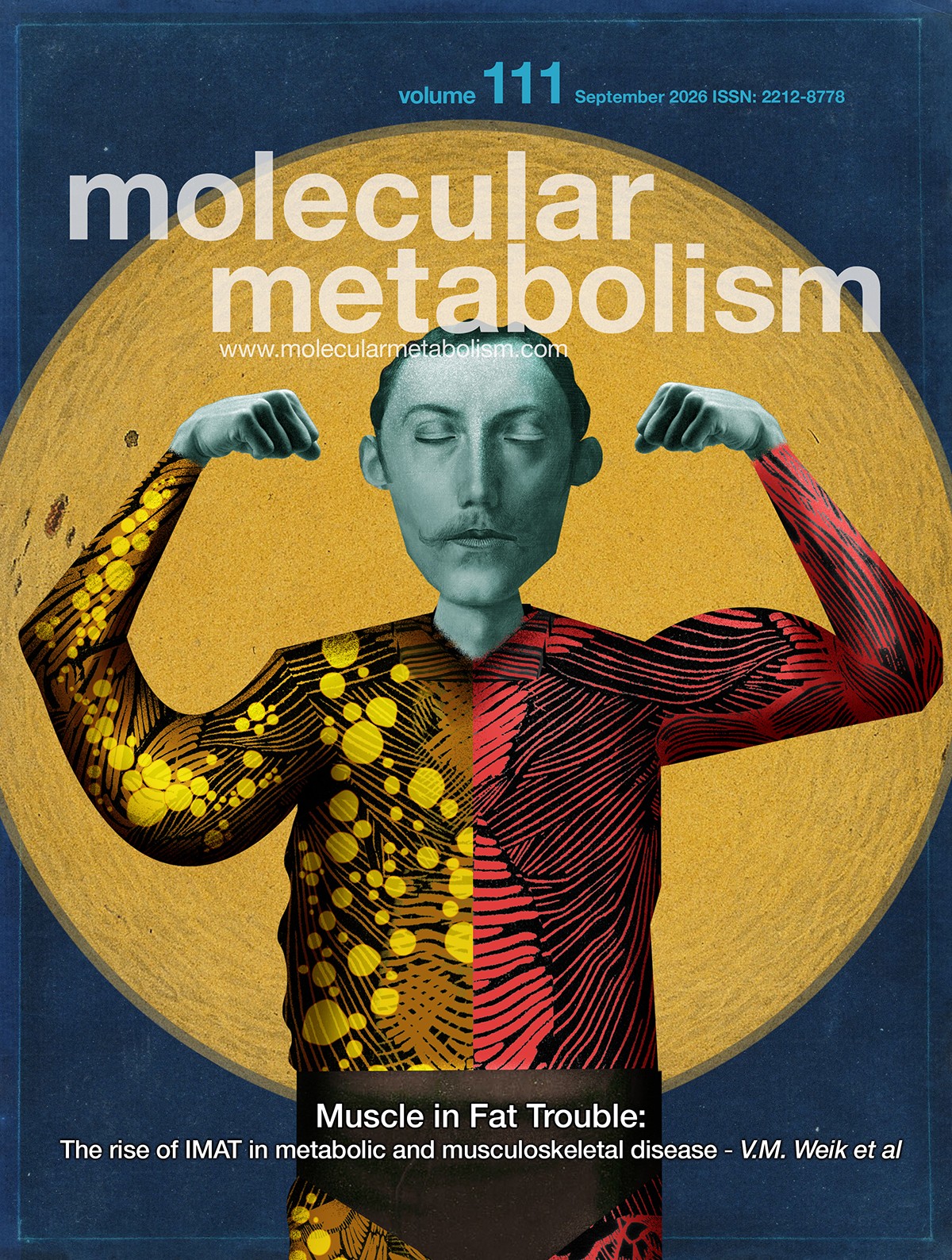
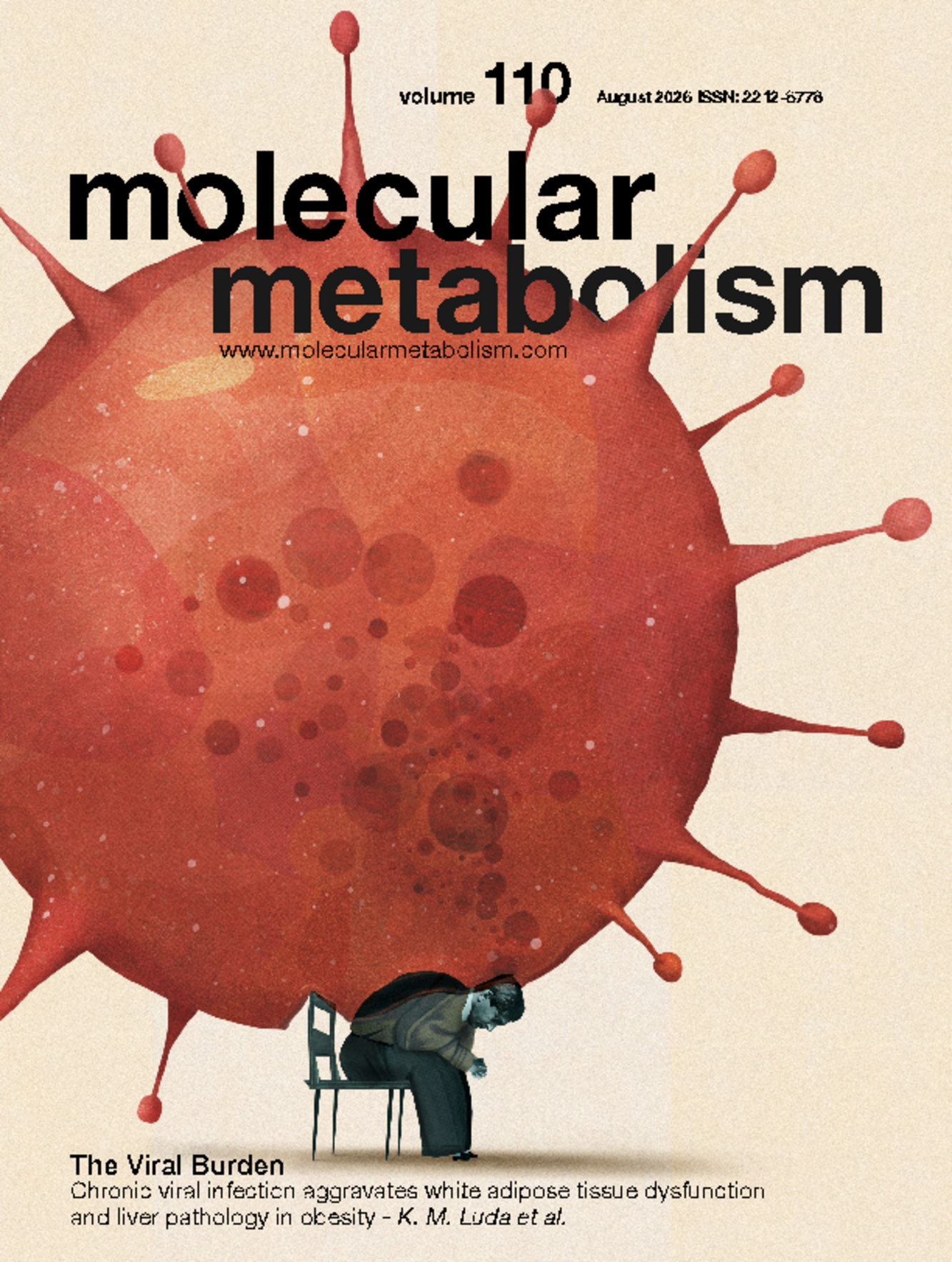
Viral infections are recognized as contributing factors in the pathogenesis of metabolic diseases. Viruses causing chronic infection are particularly important due to their capacity to induce sustained inflammation. Especially individuals with obesity - who exhibit preexisting metabolic abnormalities, low-grade inflammation, and altered antiviral responses - are at increased risk of viral infection-induced metabolic complications. Despite these associations, the specific metabolic consequences of chronic viral infections in obesity remain insufficiently characterized.

Full text


Current Issue

Dysregulated glucagon signaling contributes to hypoglycemia after vertical sleeve gastrectomy in mice

Tyler M. Cook, Maigen Bethea, Silvania da Silva Teixeira, Carissa Birznieks, ... Darleen A. Sandoval

Dysregulated glucagon signaling contributes to hypoglycemia after vertical sleeve gastrectomy in mice

Objectives

After bariatric surgery, many individuals experience debilitating bouts of hypoglycemia, termed post-bariatric hypoglycemia (PBH). Our mouse model of vertical sleeve gastrectomy (VSG) mimics key aspects of PBH in humans. As glucagon is a key element of the counterregulatory hormonal response to hypoglycemia, the objective of this manuscript is to understand if glucagon responses and sensitivity are altered after VSG in mice.

Methods

Mice underwent sham or VSG surgery. We measured glucagon responses to insulin-induced hypoglycemia and mixed meal tolerance tests. We then measured glucose and insulin responses to different doses of exogenous glucagon in fed and fasted states. Lastly, we performed in vitro experiments to examine glucagon responses to glucose and amino acids.

Results

Postprandial glucagon levels were elevated in mice after VSG, but glucose responses to low doses of exogenous glucagon were blunted in the fasted and postprandial state. Administration of low dose glucagon in the fed state led to hypoglycemia in some VSG mice in parallel with stimulation of insulin release. This effect was partially prevented by pretreatment with the GLP-1 receptor antagonist exendin9-39. In islets isolated from VSG mice, glucagon release in response to high glucose was suppressed, but glucagon responses to alanine and high glucose were not different compared to sham controls.

Conclusions

Altogether, our data suggest both glucagon responses, and sensitivity to exogenous glucagon are altered by VSG. The glucagon dysregulation was not observed in isolated islets suggesting gut signaling may be critical in driving glucagon responses after VSG.

Articles in Press

Dysregulated glucagon signaling contributes to hypoglycemia after vertical sleeve gastrectomy in mice

Tyler M. Cook, Maigen Bethea, Silvania da Silva Teixeira, Carissa Birznieks, ... Darleen A. Sandoval

Dysregulated glucagon signaling contributes to hypoglycemia after vertical sleeve gastrectomy in mice

Objectives

After bariatric surgery, many individuals experience debilitating bouts of hypoglycemia, termed post-bariatric hypoglycemia (PBH). Our mouse model of vertical sleeve gastrectomy (VSG) mimics key aspects of PBH in humans. As glucagon is a key element of the counterregulatory hormonal response to hypoglycemia, the objective of this manuscript is to understand if glucagon responses and sensitivity are altered after VSG in mice.

Methods

Mice underwent sham or VSG surgery. We measured glucagon responses to insulin-induced hypoglycemia and mixed meal tolerance tests. We then measured glucose and insulin responses to different doses of exogenous glucagon in fed and fasted states. Lastly, we performed in vitro experiments to examine glucagon responses to glucose and amino acids.

Results

Postprandial glucagon levels were elevated in mice after VSG, but glucose responses to low doses of exogenous glucagon were blunted in the fasted and postprandial state. Administration of low dose glucagon in the fed state led to hypoglycemia in some VSG mice in parallel with stimulation of insulin release. This effect was partially prevented by pretreatment with the GLP-1 receptor antagonist exendin9-39. In islets isolated from VSG mice, glucagon release in response to high glucose was suppressed, but glucagon responses to alanine and high glucose were not different compared to sham controls.

Conclusions

Altogether, our data suggest both glucagon responses, and sensitivity to exogenous glucagon are altered by VSG. The glucagon dysregulation was not observed in isolated islets suggesting gut signaling may be critical in driving glucagon responses after VSG.

Early Bird Registration extended until 16 Aug!

13th
Helmholtz Diabetes Conference 

Munich, 21-23. Sep 2026                                                                                                                             

2024 impact factor: 6.6

You are what you eat

Here is a video of Vimeo. When the iframes is activated, a connection to Vimeo is established and, if necessary, cookies from Vimeo are also used. For further information on cookies policy click here.

Auf Werbeinhalte, die vor, während oder nach Videos von WEBSITE-URL eingeblendet werden, hat WEBSITE-URL keinen Einfluss. Wir übernehmen keine Gewähr für diese Inhalte. Weitere Informationen finden Sie hier.