
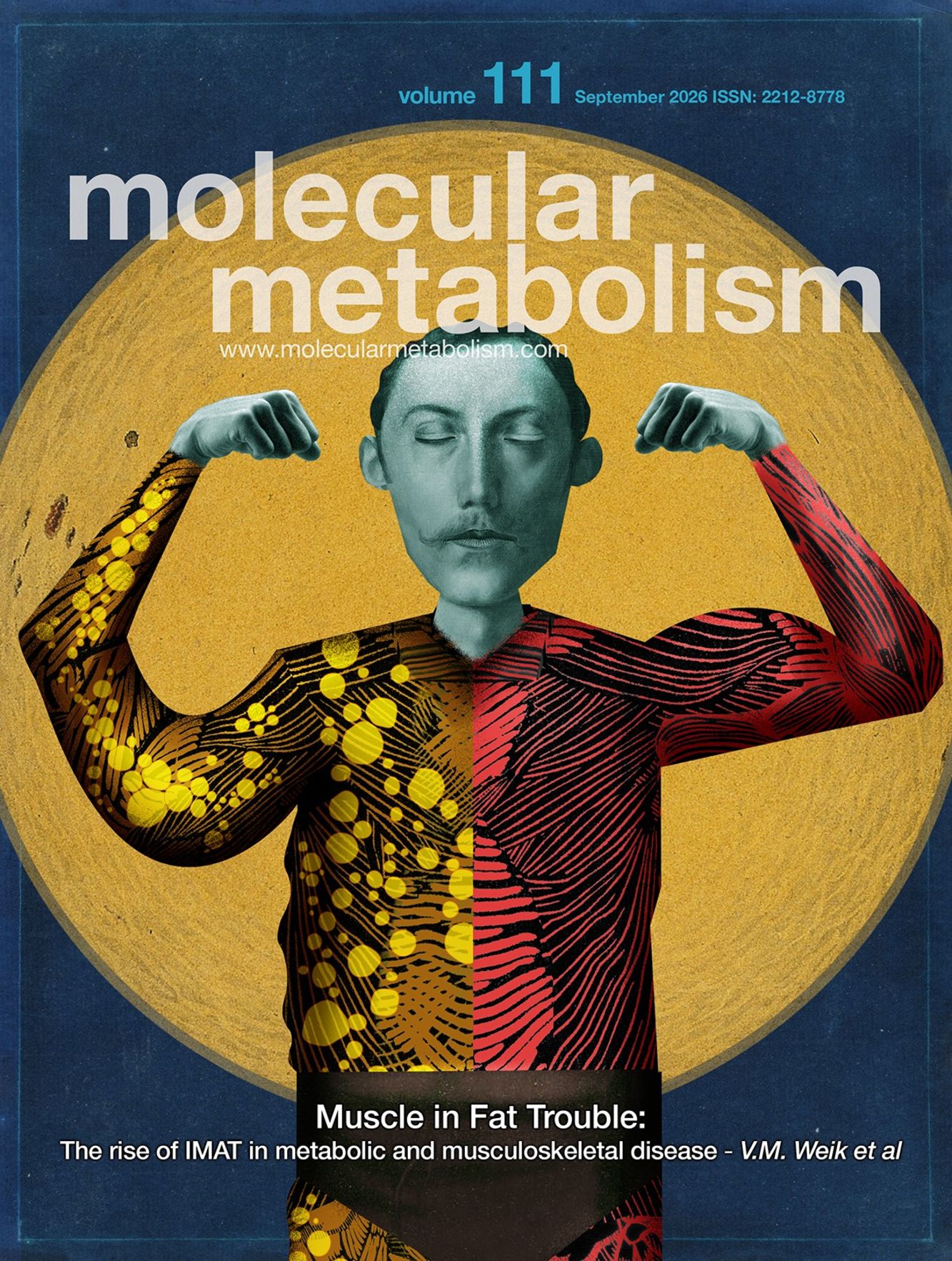


Cover Story Current Issue
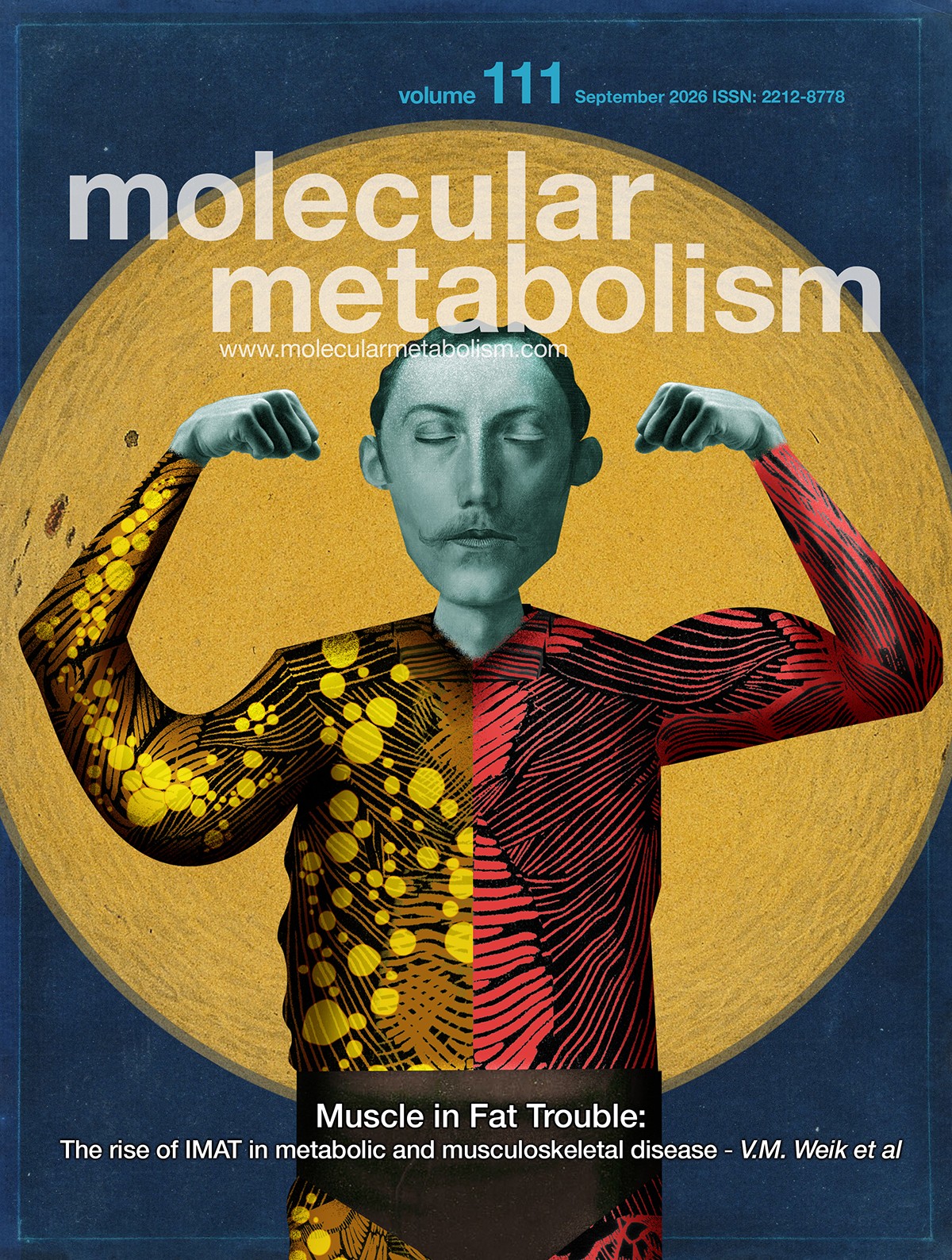
Skeletal muscle is the largest organ in the human body by mass, making up approximately 40 % of total body weight. Furthermore, it accounts for the majority of insulin-stimulated glucose uptake and is also highly involved in lipid metabolism. Lipids can accumulate in muscle through different distinct depots: as intramyocellular lipids (IMCL), stored as triglyceride-containing droplets within muscle cells and as intermuscular adipose tissue (IMAT), located between muscle fiber bundles beneath the deep muscle fascia. The muscular fat depots have been positively correlated with an increased body fat content in obesity, just like subcutaneous and visceral adipose tissue (SAT and VAT, respectively). IMCL, IMAT, VAT and SAT have additionally been linked to insulin resistance and type 2 diabetes mellitus (T2D).
Current Issue
Endocannabinoid system and skeletal muscle health: Insights from cannabidiol
Endocannabinoid system and skeletal muscle health: Insights from cannabidiol
The endocannabinoid (EC) system is a complex network comprising endogenous ligands, enzymes responsible for their synthesis and degradation, and various receptors (including CB1 and CB2). Present in many peripheral tissues, including skeletal muscle, EC system is now recognized to influence key physiological processes such as insulin sensitivity, mitochondrial metabolism, protein homeostasis and muscle development. Alterations in this system are associated with a variety of pathologies, including obesity, type 2 diabetes, sarcopenia, cachexia and muscle dystrophies. In this context, cannabidiol (CBD), a phytocannabinoid devoid of psychoactive properties, is attracting growing interest as a potential therapeutic agent. This article provides an analysis of the mechanisms by which the EC system, and more specifically the CB1 receptor, influences skeletal muscle development and function, while exploring emerging data on the potential benefits of CBD in various pathological conditions affecting skeletal muscle.
Graphical abstract
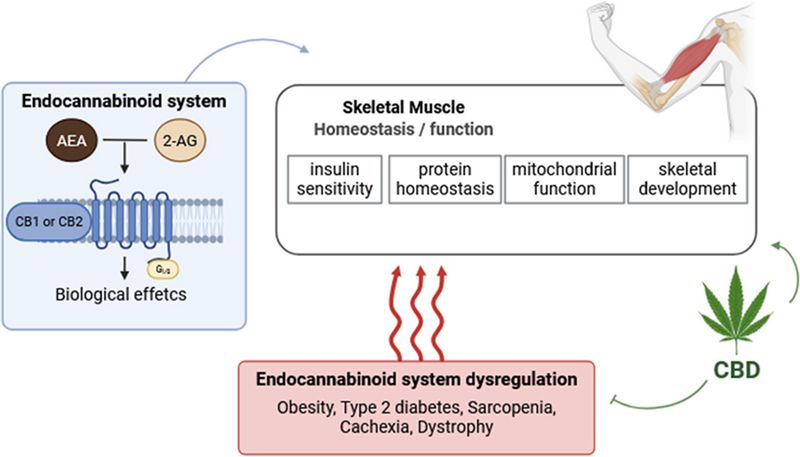
ECS composition and regulation: The endocannabinoid system (ECS) is composed of endogenous ligands (AEA, 2-AG), enzymes for their synthesis or degradation, and receptors (e.g., CB1, CB2). It also includes exogenous molecules like cannabidiol (CBD) produced from Cannabis sativa. Widely expressed in peripheral tissues such, the ECS plays a central role in the regulation of key skeletal muscle physiological processes, including insulin sensitivity, mitochondrial metabolism, protein homeostasis and skeletal muscle development. Dysregulation of this system is associated with the development of metabolic and muscular disorders, such as obesity, type 2 diabetes, sarcopenia, cachexia and muscular dystrophies. In this context, CBD, a non-psychoactive phytocannabinoid, has emerged as a potential therapeutic agent capable of modulating ECS activity, thereby contributing to the restoration of skeletal muscle function and homeostasis. ECS: endocannabinoid system, AEA: anandamine, 2-AG: 2-arachidonoyl glycerol, CB1/2: cannabinoid receptor type 1/2, CBD: cannabidiol.
Articles in Press
Endocannabinoid system and skeletal muscle health: Insights from cannabidiol
Endocannabinoid system and skeletal muscle health: Insights from cannabidiol
The endocannabinoid (EC) system is a complex network comprising endogenous ligands, enzymes responsible for their synthesis and degradation, and various receptors (including CB1 and CB2). Present in many peripheral tissues, including skeletal muscle, EC system is now recognized to influence key physiological processes such as insulin sensitivity, mitochondrial metabolism, protein homeostasis and muscle development. Alterations in this system are associated with a variety of pathologies, including obesity, type 2 diabetes, sarcopenia, cachexia and muscle dystrophies. In this context, cannabidiol (CBD), a phytocannabinoid devoid of psychoactive properties, is attracting growing interest as a potential therapeutic agent. This article provides an analysis of the mechanisms by which the EC system, and more specifically the CB1 receptor, influences skeletal muscle development and function, while exploring emerging data on the potential benefits of CBD in various pathological conditions affecting skeletal muscle.
Graphical abstract
ECS composition and regulation: The endocannabinoid system (ECS) is composed of endogenous ligands (AEA, 2-AG), enzymes for their synthesis or degradation, and receptors (e.g., CB1, CB2). It also includes exogenous molecules like cannabidiol (CBD) produced from Cannabis sativa. Widely expressed in peripheral tissues such, the ECS plays a central role in the regulation of key skeletal muscle physiological processes, including insulin sensitivity, mitochondrial metabolism, protein homeostasis and skeletal muscle development. Dysregulation of this system is associated with the development of metabolic and muscular disorders, such as obesity, type 2 diabetes, sarcopenia, cachexia and muscular dystrophies. In this context, CBD, a non-psychoactive phytocannabinoid, has emerged as a potential therapeutic agent capable of modulating ECS activity, thereby contributing to the restoration of skeletal muscle function and homeostasis. ECS: endocannabinoid system, AEA: anandamine, 2-AG: 2-arachidonoyl glycerol, CB1/2: cannabinoid receptor type 1/2, CBD: cannabidiol.
Registration still open - sign up now!

13th
Helmholtz Diabetes Conference
Munich, 21-23. Sep 2026

2024 impact factor: 6.6
You are what you eat
Here is a video of Vimeo. When the iframes is activated, a connection to Vimeo is established and, if necessary, cookies from Vimeo are also used. For further information on cookies policy click here.