Cover Story Current Issue

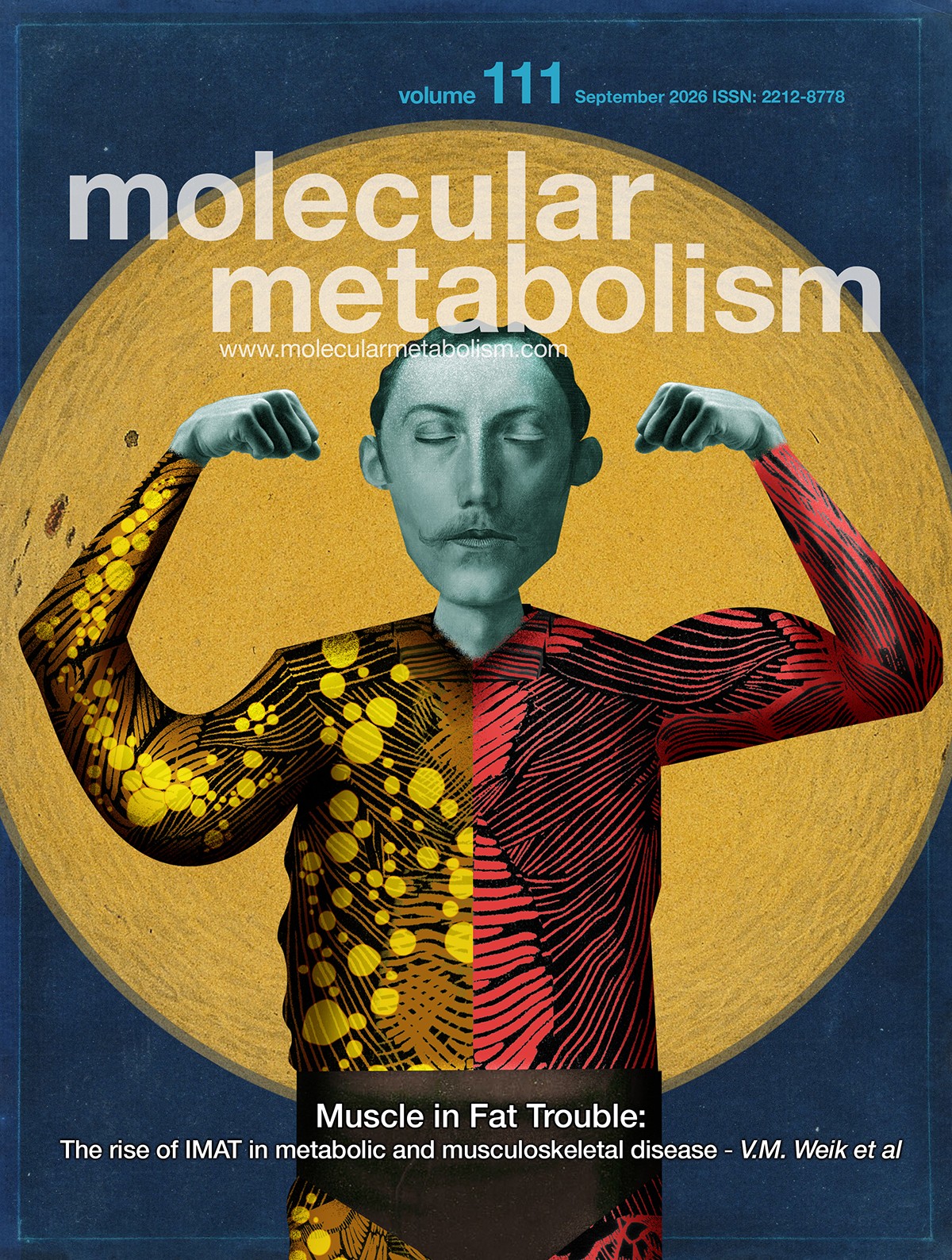
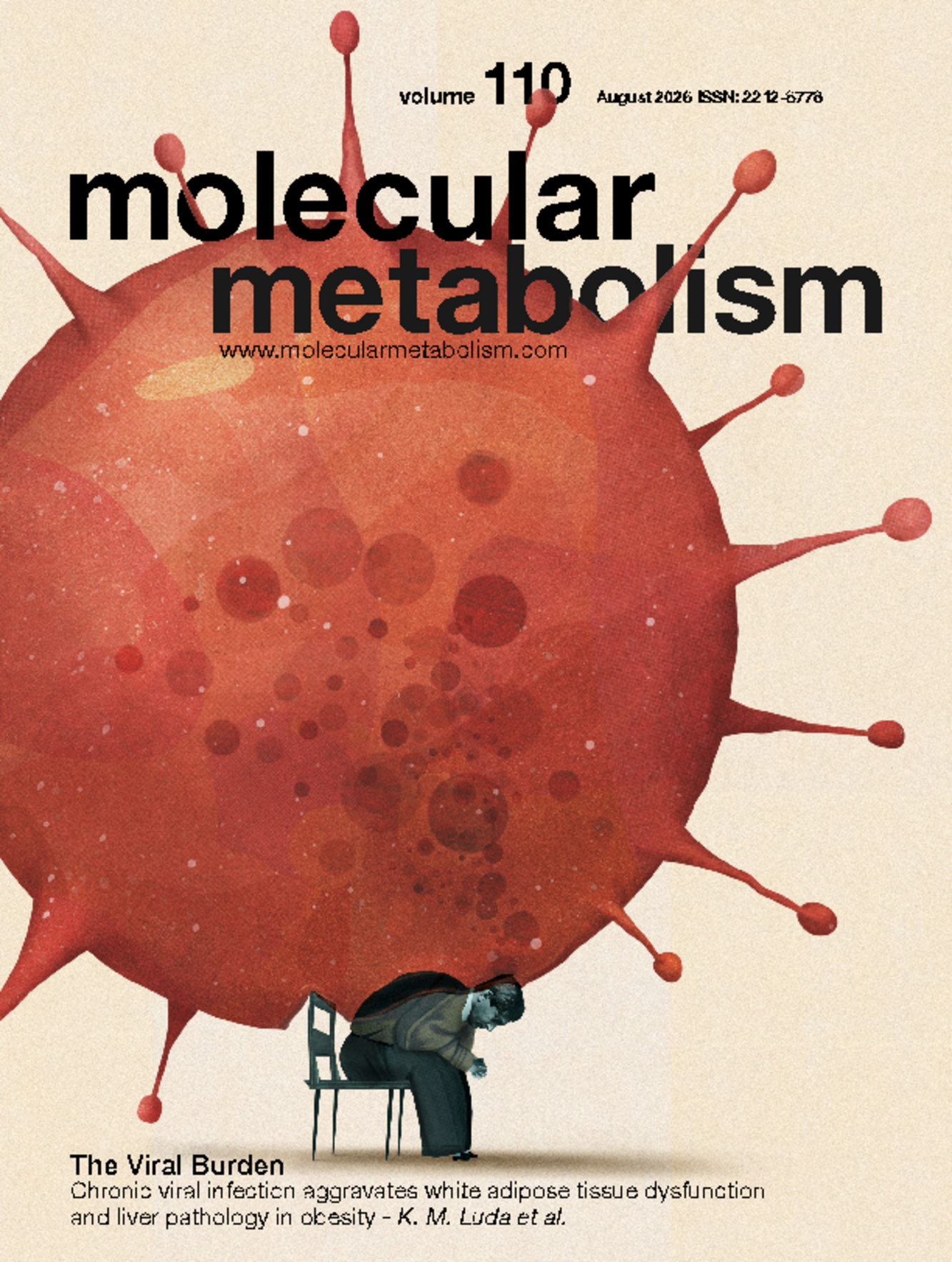
Viral infections are recognized as contributing factors in the pathogenesis of metabolic diseases. Viruses causing chronic infection are particularly important due to their capacity to induce sustained inflammation. Especially individuals with obesity - who exhibit preexisting metabolic abnormalities, low-grade inflammation, and altered antiviral responses - are at increased risk of viral infection-induced metabolic complications. Despite these associations, the specific metabolic consequences of chronic viral infections in obesity remain insufficiently characterized.

Full text


Current Issue

The Locus Coeruleus Calcitonin Receptor Can Be Engaged by Amylin and Calcitonin Gene-Related Peptide to Suppress Feeding Without Inducing Nausea.

Samantha M. Fortin, Marcos J. Sanchez-Navarro, Jiayin Hu, Maggie Zhou, ... Matthew R. Hayes

Efforts to fully characterize the diversity of mechanisms underlying energy balance control have led to the identification of atypical sites of action for metabolic signals. The locus coeruleus (LC), a major noradrenergic nucleus of the brain, has recently been shown to regulate aspects of food intake and energy expenditure. We use complementary pharmacological, behavioral, immunohistochemical, and genetic approaches in both rats and mice to demonstrate the role of LC calcitonin receptors (CTR) in feeding behavior. LC neurons robustly express CTRs that can be pharmacologically and chemogenetically activated to potently inhibit food intake and body weight without inducing nausea or changes in autonomic physiology including heart rate, body temperature, and gastric emptying. We next examined the ability of amylin and calcitonin gene-related peptide (CGRP), two endogenous anorectic peptides that signal through the CTR, to modulate feeding through signaling in the LC. RNAscope analysis revealed that LC CTRs are in fact capable of responding to amylin and CGRP, as they co-express RAMP1, and microinjections of either peptide to the LC induces anorexia without nausea. Together, these findings identify LC CTRs as a previously unrecognized neural substrate through which amylin and CGRP signaling suppress feeding, with direct relevance to the mechanisms underlying emerging amylin-based obesity therapeutics.

Articles in Press

The Locus Coeruleus Calcitonin Receptor Can Be Engaged by Amylin and Calcitonin Gene-Related Peptide to Suppress Feeding Without Inducing Nausea.

Samantha M. Fortin, Marcos J. Sanchez-Navarro, Jiayin Hu, Maggie Zhou, ... Matthew R. Hayes

Efforts to fully characterize the diversity of mechanisms underlying energy balance control have led to the identification of atypical sites of action for metabolic signals. The locus coeruleus (LC), a major noradrenergic nucleus of the brain, has recently been shown to regulate aspects of food intake and energy expenditure. We use complementary pharmacological, behavioral, immunohistochemical, and genetic approaches in both rats and mice to demonstrate the role of LC calcitonin receptors (CTR) in feeding behavior. LC neurons robustly express CTRs that can be pharmacologically and chemogenetically activated to potently inhibit food intake and body weight without inducing nausea or changes in autonomic physiology including heart rate, body temperature, and gastric emptying. We next examined the ability of amylin and calcitonin gene-related peptide (CGRP), two endogenous anorectic peptides that signal through the CTR, to modulate feeding through signaling in the LC. RNAscope analysis revealed that LC CTRs are in fact capable of responding to amylin and CGRP, as they co-express RAMP1, and microinjections of either peptide to the LC induces anorexia without nausea. Together, these findings identify LC CTRs as a previously unrecognized neural substrate through which amylin and CGRP signaling suppress feeding, with direct relevance to the mechanisms underlying emerging amylin-based obesity therapeutics.

Early Bird Registration extended until 16 Aug!

13th
Helmholtz Diabetes Conference 

Munich, 21-23. Sep 2026                                                                                                                             

2024 impact factor: 6.6

You are what you eat

Here is a video of Vimeo. When the iframes is activated, a connection to Vimeo is established and, if necessary, cookies from Vimeo are also used. For further information on cookies policy click here.

Auf Werbeinhalte, die vor, während oder nach Videos von WEBSITE-URL eingeblendet werden, hat WEBSITE-URL keinen Einfluss. Wir übernehmen keine Gewähr für diese Inhalte. Weitere Informationen finden Sie hier.