Cover Story Current Issue

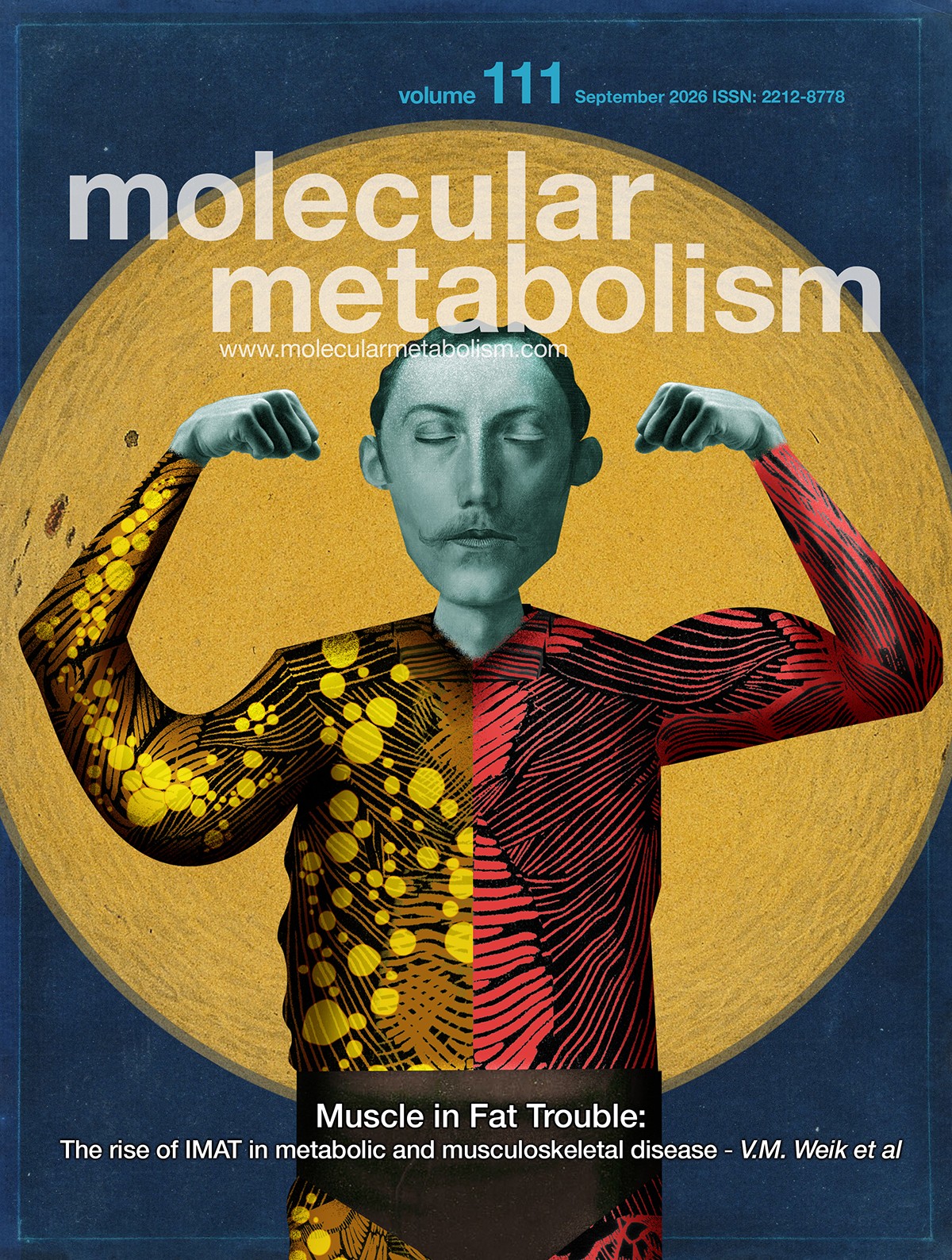
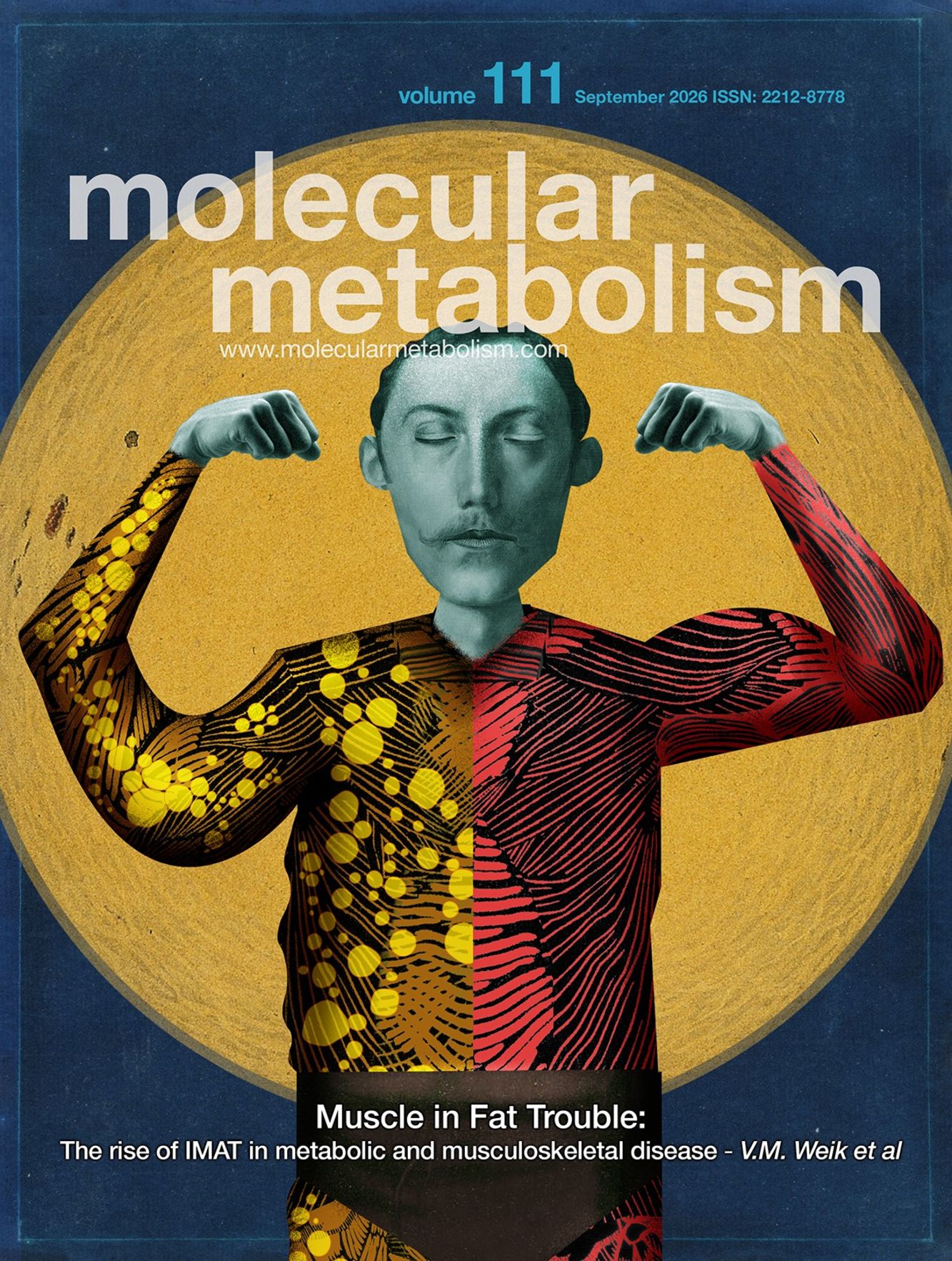
Skeletal muscle is the largest organ in the human body by mass, making up approximately 40 % of total body weight. Furthermore, it accounts for the majority of insulin-stimulated glucose uptake and is also highly involved in lipid metabolism. Lipids can accumulate in muscle through different distinct depots: as intramyocellular lipids (IMCL), stored as triglyceride-containing droplets within muscle cells and as intermuscular adipose tissue (IMAT), located between muscle fiber bundles beneath the deep muscle fascia. The muscular fat depots have been positively correlated with an increased body fat content in obesity, just like subcutaneous and visceral adipose tissue (SAT and VAT, respectively). IMCL, IMAT, VAT and SAT have additionally been linked to insulin resistance and type 2 diabetes mellitus (T2D).

Full text


Current Issue

Sex-specific differences of amlexanox in a mouse model for atherosclerosis and MASLD

Eleonora Mungo, Michelle Haß, Denis Benning, Tobias Schmid, ... Ellen Niederberger

Sex-specific differences of amlexanox in a mouse model for atherosclerosis and MASLD

Objectives

Inhibitor-κB kinase epsilon (IKKε) is a non-canonical IκB kinase involved in NF-κB signaling and type I interferon responses. We recently demonstrated sex-dependent effects of IKKε deletion on atherosclerosis and metabolic dysfunction-associated steatotic liver disease (MASLD), with male knockout mice showing protection against both diseases, while female mice exhibited exacerbated inflammatory and metabolic disturbances. These divergent outcomes were linked to differential effects on inflammatory pathways and lipid metabolism.

Methods

To evaluate the therapeutic potential of pharmacological IKKε inhibition, we treated wild type mice with established atherosclerotic plaques and hepatic steatosis - induced by PCSK9 gain-of-function and Paigen diet - with the IKKε inhibitor amlexanox.

Results

Amlexanox modulated serum lipid levels and altered plaque composition but did not halt plaque progression. In the liver, treatment produced marked sex-specific effects: male mice exhibited substantial improvement in steatosis, whereas female mice showed worsened lipid accumulation. These outcomes were reflected in pronounced sex-dependent differences in serum and hepatic lipid and metabolite profiles, indicating regulation of fatty acid and bile-acid metabolism predominantly in males. Protein analyses in liver and adipose tissue further supported opposing metabolic and inflammatory responses between sexes after amlexanox treatment.

Conclusions

Collectively, our findings indicate that therapeutic IKKε inhibition with amlexanox does not prevent progression of advanced atherosclerosis in this model but effectively ameliorates MASLD in male mice. In contrast, female mice experience aggravated hepatic lipid deposition. These results underscore the importance of incorporating sex-specific analyses in metabolic and cardiovascular research and highlight the need to evaluate therapeutic strategies such as amlexanox in both sexes.

Articles in Press

Sex-specific differences of amlexanox in a mouse model for atherosclerosis and MASLD

Eleonora Mungo, Michelle Haß, Denis Benning, Tobias Schmid, ... Ellen Niederberger

Sex-specific differences of amlexanox in a mouse model for atherosclerosis and MASLD

Objectives

Inhibitor-κB kinase epsilon (IKKε) is a non-canonical IκB kinase involved in NF-κB signaling and type I interferon responses. We recently demonstrated sex-dependent effects of IKKε deletion on atherosclerosis and metabolic dysfunction-associated steatotic liver disease (MASLD), with male knockout mice showing protection against both diseases, while female mice exhibited exacerbated inflammatory and metabolic disturbances. These divergent outcomes were linked to differential effects on inflammatory pathways and lipid metabolism.

Methods

To evaluate the therapeutic potential of pharmacological IKKε inhibition, we treated wild type mice with established atherosclerotic plaques and hepatic steatosis - induced by PCSK9 gain-of-function and Paigen diet - with the IKKε inhibitor amlexanox.

Results

Amlexanox modulated serum lipid levels and altered plaque composition but did not halt plaque progression. In the liver, treatment produced marked sex-specific effects: male mice exhibited substantial improvement in steatosis, whereas female mice showed worsened lipid accumulation. These outcomes were reflected in pronounced sex-dependent differences in serum and hepatic lipid and metabolite profiles, indicating regulation of fatty acid and bile-acid metabolism predominantly in males. Protein analyses in liver and adipose tissue further supported opposing metabolic and inflammatory responses between sexes after amlexanox treatment.

Conclusions

Collectively, our findings indicate that therapeutic IKKε inhibition with amlexanox does not prevent progression of advanced atherosclerosis in this model but effectively ameliorates MASLD in male mice. In contrast, female mice experience aggravated hepatic lipid deposition. These results underscore the importance of incorporating sex-specific analyses in metabolic and cardiovascular research and highlight the need to evaluate therapeutic strategies such as amlexanox in both sexes.

Registration still open - sign up now!

13th
Helmholtz Diabetes Conference 

Munich, 21-23. Sep 2026                                                                                                                             

2024 impact factor: 6.6

You are what you eat

Here is a video of Vimeo. When the iframes is activated, a connection to Vimeo is established and, if necessary, cookies from Vimeo are also used. For further information on cookies policy click here.

Auf Werbeinhalte, die vor, während oder nach Videos von WEBSITE-URL eingeblendet werden, hat WEBSITE-URL keinen Einfluss. Wir übernehmen keine Gewähr für diese Inhalte. Weitere Informationen finden Sie hier.