


Cover Story Current Issue
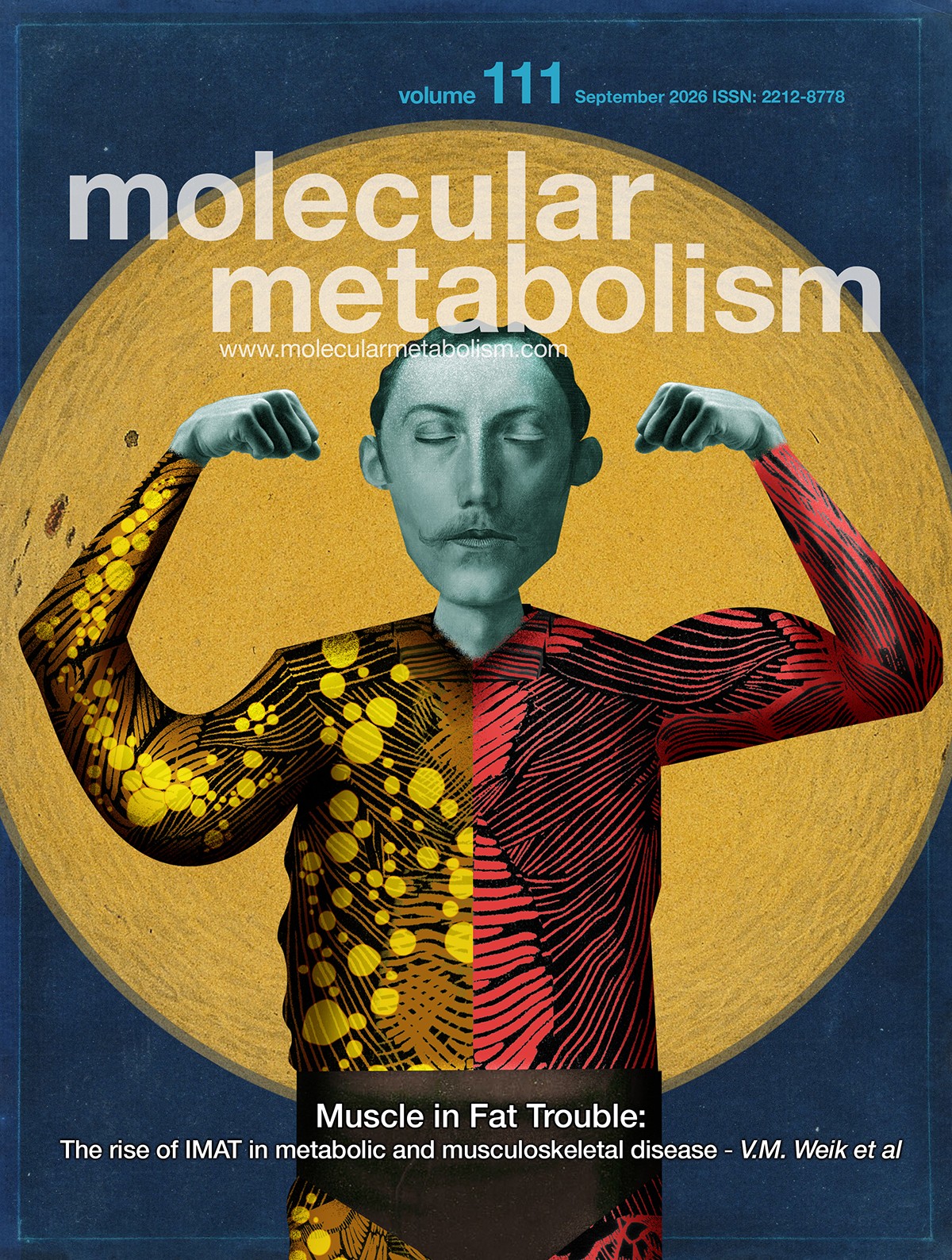
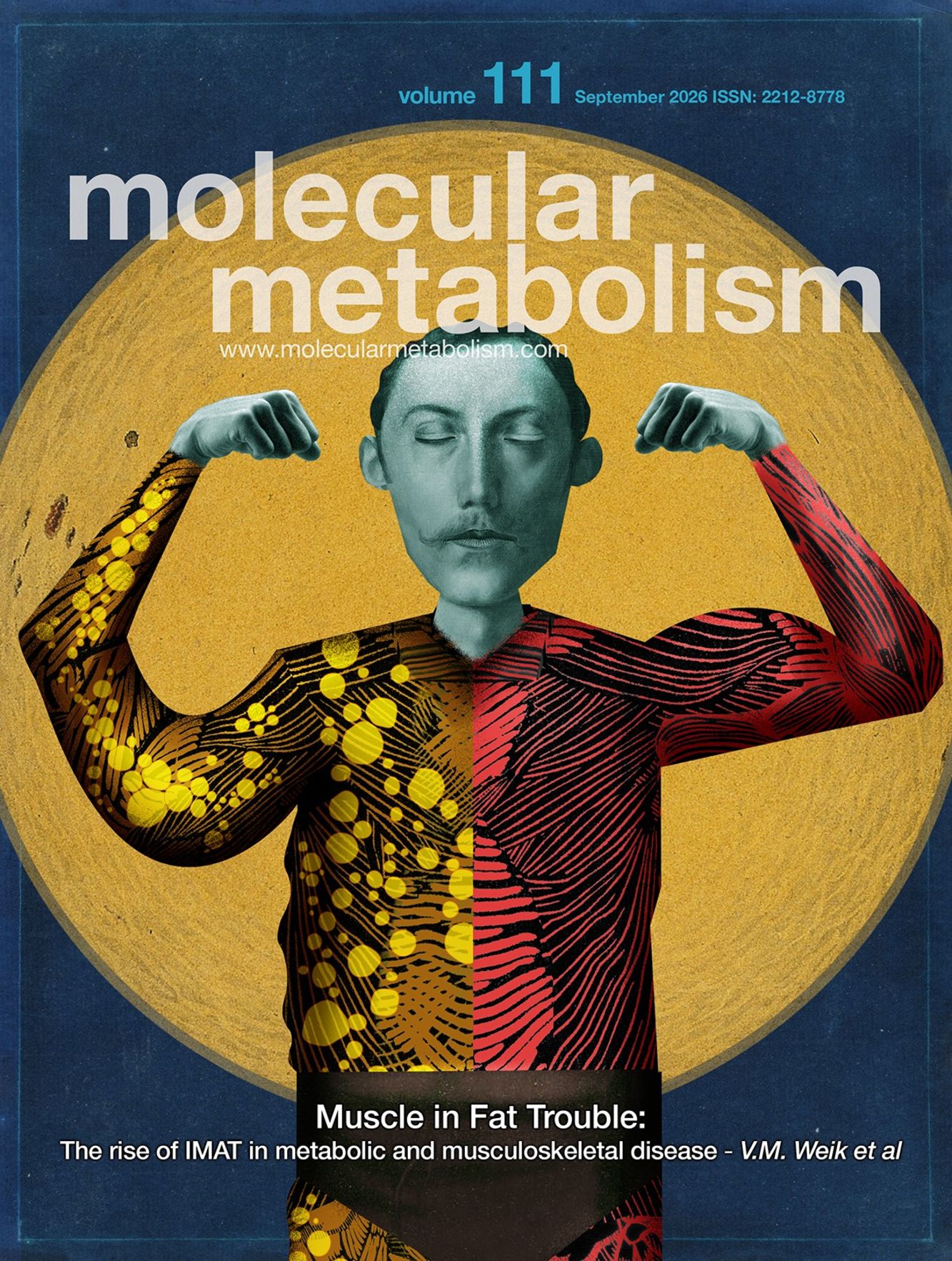
Skeletal muscle is the largest organ in the human body by mass, making up approximately 40 % of total body weight. Furthermore, it accounts for the majority of insulin-stimulated glucose uptake and is also highly involved in lipid metabolism. Lipids can accumulate in muscle through different distinct depots: as intramyocellular lipids (IMCL), stored as triglyceride-containing droplets within muscle cells and as intermuscular adipose tissue (IMAT), located between muscle fiber bundles beneath the deep muscle fascia. The muscular fat depots have been positively correlated with an increased body fat content in obesity, just like subcutaneous and visceral adipose tissue (SAT and VAT, respectively). IMCL, IMAT, VAT and SAT have additionally been linked to insulin resistance and type 2 diabetes mellitus (T2D).
Current Issue
Endurance exercise elicits a hepatic memory associated with improved metabolic function and protein secretion
Endurance exercise elicits a hepatic memory associated with improved metabolic function and protein secretion
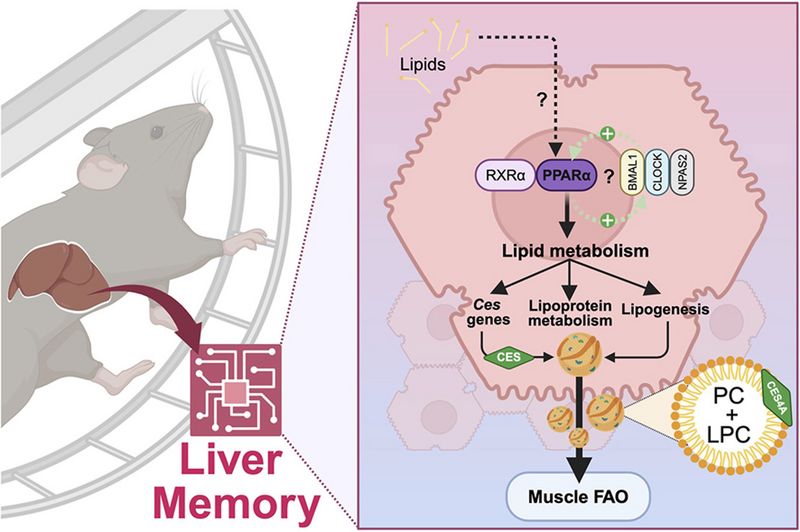
Endurance exercise protects against metabolic dysfunction–associated steatotic liver disease (MASLD), yet whether these effects persist following cessation of training remains unclear. Here, we employed endurance training cycles in mice to isolate the hepatic memory of exercise. Our results indicate that endurance retraining potentiates systemic and hepatic glucoregulatory benefits. Exercise retraining persistently reduced hepatic steatosis, hallmarked by decreases in diacylglycerols and increased phosphatidylcholines (PC). Liver transcriptomic analysis identified lipid and protein secretory pathways induced by endurance retraining. Importantly, retraining enhanced hepatic expression of carboxylesterases (CES), including Ces2b, Ces3a, Ces3b, and Ces4a, and increased circulating carboxylesterase activity and CES4A protein levels. Exercise retraining reduced serum LDL-c and increased HDL-c, while enhancing the delivery of lysoPC and PC, predicted targets of CES, to the working muscle. Similarly, mice fed an obesogenic diet demonstrate that this hepatic memory of exercise persists under an obesogenic challenge. In humans, we show that a 6-week training period increases serum CES activity primarily in individuals with prior training. Lastly, our studies identify the PPAR-RXR-clock axis as a potential trigger that may engage the synchronized lipid delivery to skeletal muscle and support fatty acid oxidation. Together, these findings suggest that endurance retraining elicits a hepatic exercise memory characterized by persistent transcriptional reprogramming and lipid remodeling that restore metabolic benefits after inactivity and confer resilience against MASLD.
Articles in Press
Endurance exercise elicits a hepatic memory associated with improved metabolic function and protein secretion
Endurance exercise elicits a hepatic memory associated with improved metabolic function and protein secretion
Endurance exercise protects against metabolic dysfunction–associated steatotic liver disease (MASLD), yet whether these effects persist following cessation of training remains unclear. Here, we employed endurance training cycles in mice to isolate the hepatic memory of exercise. Our results indicate that endurance retraining potentiates systemic and hepatic glucoregulatory benefits. Exercise retraining persistently reduced hepatic steatosis, hallmarked by decreases in diacylglycerols and increased phosphatidylcholines (PC). Liver transcriptomic analysis identified lipid and protein secretory pathways induced by endurance retraining. Importantly, retraining enhanced hepatic expression of carboxylesterases (CES), including Ces2b, Ces3a, Ces3b, and Ces4a, and increased circulating carboxylesterase activity and CES4A protein levels. Exercise retraining reduced serum LDL-c and increased HDL-c, while enhancing the delivery of lysoPC and PC, predicted targets of CES, to the working muscle. Similarly, mice fed an obesogenic diet demonstrate that this hepatic memory of exercise persists under an obesogenic challenge. In humans, we show that a 6-week training period increases serum CES activity primarily in individuals with prior training. Lastly, our studies identify the PPAR-RXR-clock axis as a potential trigger that may engage the synchronized lipid delivery to skeletal muscle and support fatty acid oxidation. Together, these findings suggest that endurance retraining elicits a hepatic exercise memory characterized by persistent transcriptional reprogramming and lipid remodeling that restore metabolic benefits after inactivity and confer resilience against MASLD.
Registration still open - sign up now!

13th
Helmholtz Diabetes Conference
Munich, 21-23. Sep 2026

2024 impact factor: 6.6
You are what you eat
Here is a video of Vimeo. When the iframes is activated, a connection to Vimeo is established and, if necessary, cookies from Vimeo are also used. For further information on cookies policy click here.