


Cover Story Current Issue
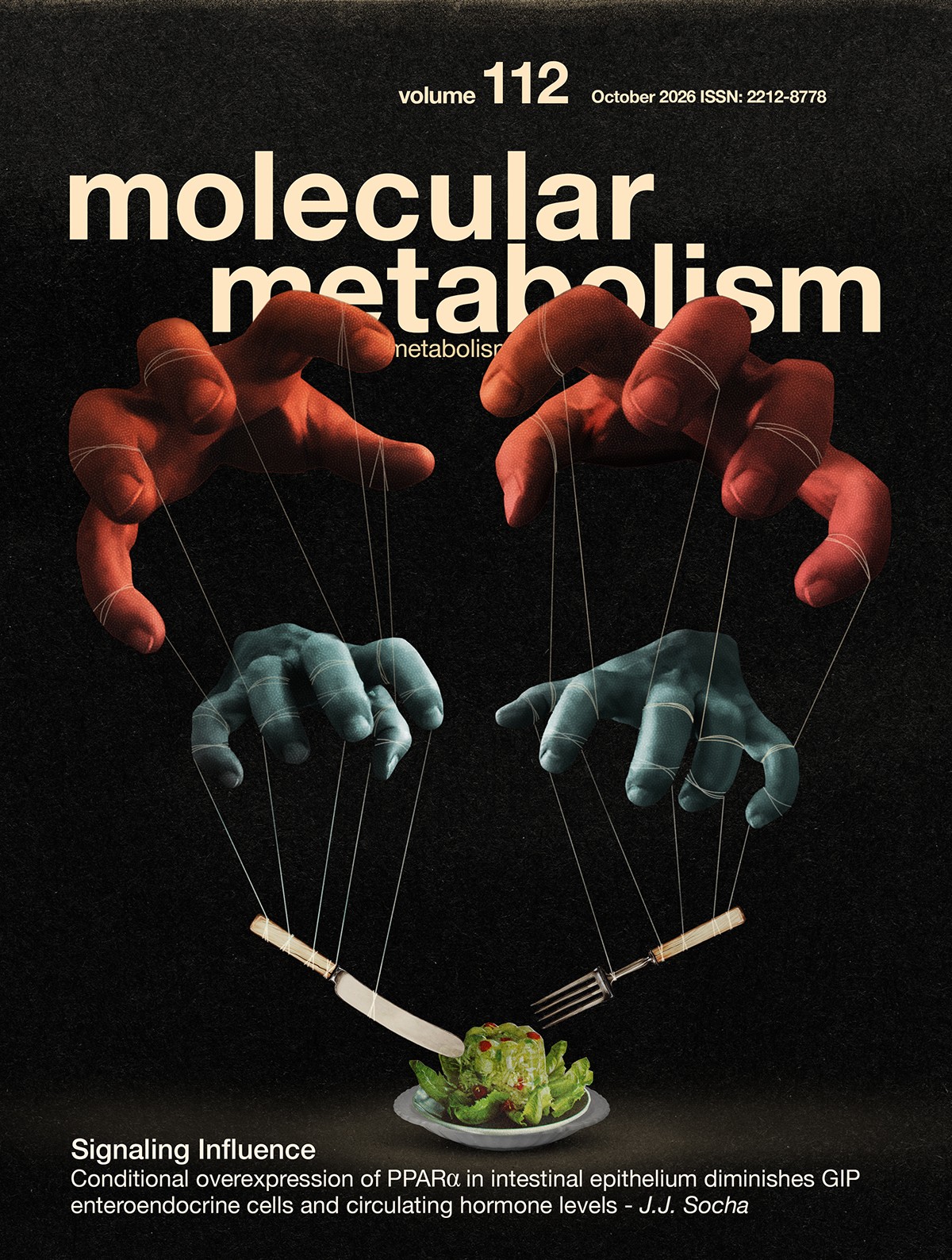
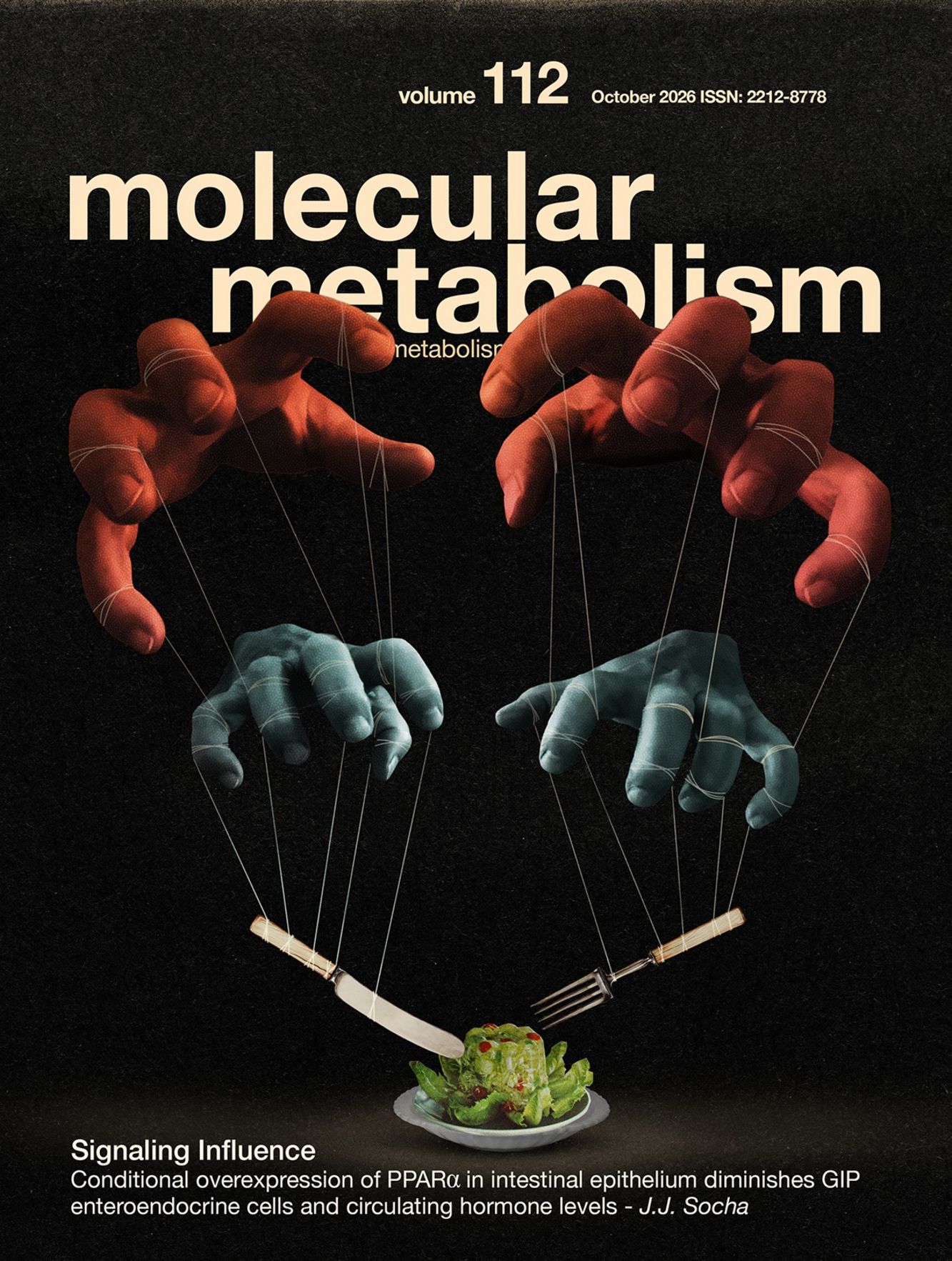
The small intestine, as the primary site of nutrient absorption, integrates signals from dietary components and gut microbiota to coordinate systemic energy balance, metabolism, and glucose homeostasis alongside other tissues such as the pancreas, liver, and brain. Nuclear receptors represent one mechanism by which the intestinal epithelium senses and respond to dietary signals via transcriptional regulation of metabolic programs. The Peroxisome Proliferator Activated Receptors (PPARs), including PPARα, PPARδ, and PPARγ, are lipid-responsive nuclear hormone receptors. PPAR transcriptional activity is highly context-dependent, shaped by the availability and affinity of their lipid ligands and co-regulators as well as by cell and tissue types. Whereas PPARγ and PPARδ are established regulators of glucose homeostasis, acting in white adipose tissue, skeletal muscle, and liver to improve insulin sensitivity, PPARα has been primarily associated with hepatic lipid metabolism, where it promotes fatty acid transport, β-oxidation, and ketogenesis. Due to their roles in lipid metabolism and anti-inflammatory processes, selective PPAR agonists are being actively pursued as therapies in clinical and pre-clinical studies for metabolic diseases. Thus, it is critical to improve our understanding of the context-specific and tissue-specific effects of PPAR signaling.
Current Issue
Human brown fat metabolism associates with systemic branched-chain amino acids homeostasis
Human brown fat metabolism associates with systemic branched-chain amino acids homeostasis
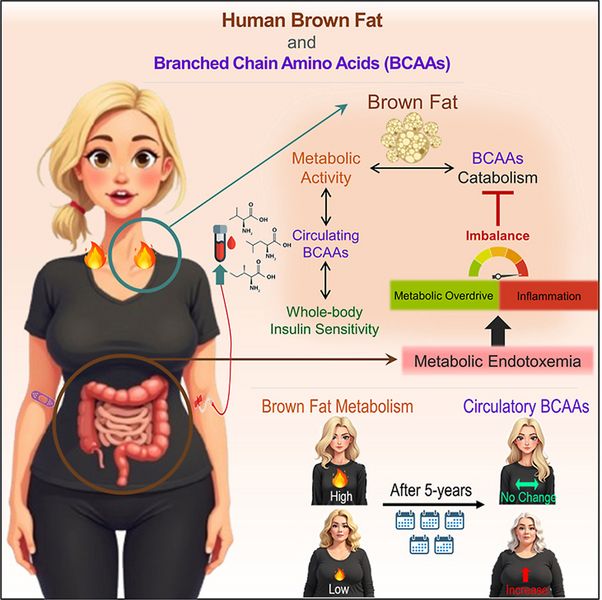
Circulating branched-chain amino acids (BCAAs) are linked with insulin resistance, but the human tissues contributing to systemic BCAA homeostasis remain incompletely defined. Brown adipose tissue (BAT) is a metabolically active adipose depot associated with favourable insulin sensitivity, yet its role in BCAA metabolism in humans remains unclear. We tested whether human BAT metabolism is associated with circulating BCAA levels, BAT-resident BCAA-catabolic signatures, and longitudinal changes in systemic BCAA homeostasis. We studied 83 adults who underwent metabolic phenotyping, PET-CT assessment of cold-stimulated BAT metabolism, and serum metabolomic profiling at room temperature and during acute mild cold exposure. Supraclavicular BAT biopsies from 25 participants were analysed by transcriptomics and metabolomics, and 40 participants were re-examined for circulating BCAA profiles after approximately five years. Participants with high BAT metabolism had lower circulating BCAA levels than those with low BAT metabolism. Within BAT, metabolically active individuals exhibited lower relative BCAA abundance together with higher expression of genes involved in BCAA catabolism. These BAT BCAA-catabolic signatures aligned with thermogenic capacity and indices of systemic insulin sensitivity. In contrast, individuals with low BAT metabolism showed increases in circulating BCAAs over five years. Integrative analyses further linked circulating lipopolysaccharide, a marker of metabolic endotoxemia, with higher BAT BCAA and aminomalonate abundance, together with transcriptional patterns involving inflammatory and mitochondrial pathways. Together, these findings identify human BAT metabolism as a tissue phenotype linked to systemic BCAA homeostasis and extend the role of human BAT beyond thermogenesis, suggesting that BAT-associated BCAA handling may contribute to systemic metabolic health.
Articles in Press
Human brown fat metabolism associates with systemic branched-chain amino acids homeostasis
Human brown fat metabolism associates with systemic branched-chain amino acids homeostasis
Circulating branched-chain amino acids (BCAAs) are linked with insulin resistance, but the human tissues contributing to systemic BCAA homeostasis remain incompletely defined. Brown adipose tissue (BAT) is a metabolically active adipose depot associated with favourable insulin sensitivity, yet its role in BCAA metabolism in humans remains unclear. We tested whether human BAT metabolism is associated with circulating BCAA levels, BAT-resident BCAA-catabolic signatures, and longitudinal changes in systemic BCAA homeostasis. We studied 83 adults who underwent metabolic phenotyping, PET-CT assessment of cold-stimulated BAT metabolism, and serum metabolomic profiling at room temperature and during acute mild cold exposure. Supraclavicular BAT biopsies from 25 participants were analysed by transcriptomics and metabolomics, and 40 participants were re-examined for circulating BCAA profiles after approximately five years. Participants with high BAT metabolism had lower circulating BCAA levels than those with low BAT metabolism. Within BAT, metabolically active individuals exhibited lower relative BCAA abundance together with higher expression of genes involved in BCAA catabolism. These BAT BCAA-catabolic signatures aligned with thermogenic capacity and indices of systemic insulin sensitivity. In contrast, individuals with low BAT metabolism showed increases in circulating BCAAs over five years. Integrative analyses further linked circulating lipopolysaccharide, a marker of metabolic endotoxemia, with higher BAT BCAA and aminomalonate abundance, together with transcriptional patterns involving inflammatory and mitochondrial pathways. Together, these findings identify human BAT metabolism as a tissue phenotype linked to systemic BCAA homeostasis and extend the role of human BAT beyond thermogenesis, suggesting that BAT-associated BCAA handling may contribute to systemic metabolic health.

2025 Impact Factor: 6.3
You are what you eat
Here is a video of Vimeo. When the iframes is activated, a connection to Vimeo is established and, if necessary, cookies from Vimeo are also used. For further information on cookies policy click here.