


Cover Story Current Issue
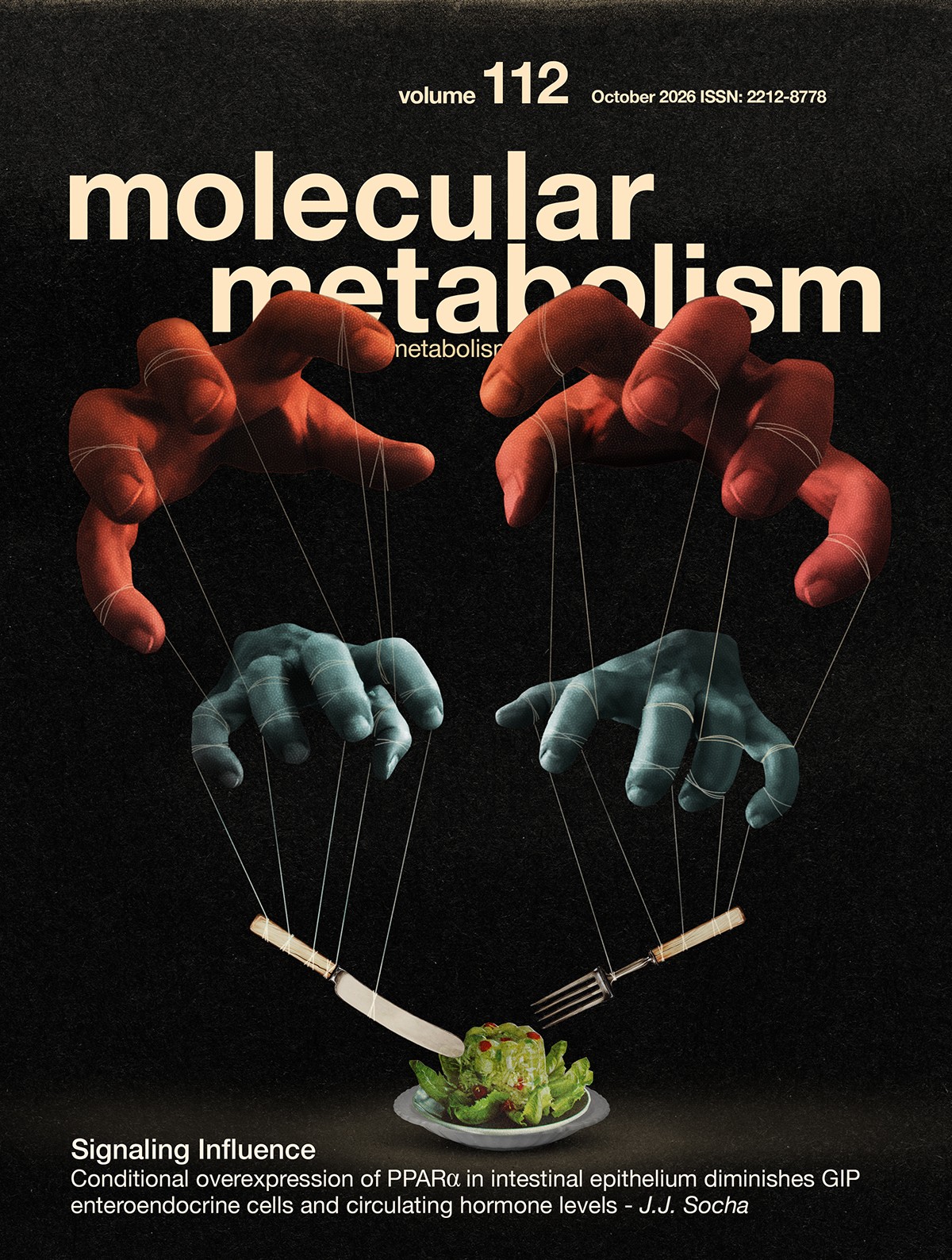
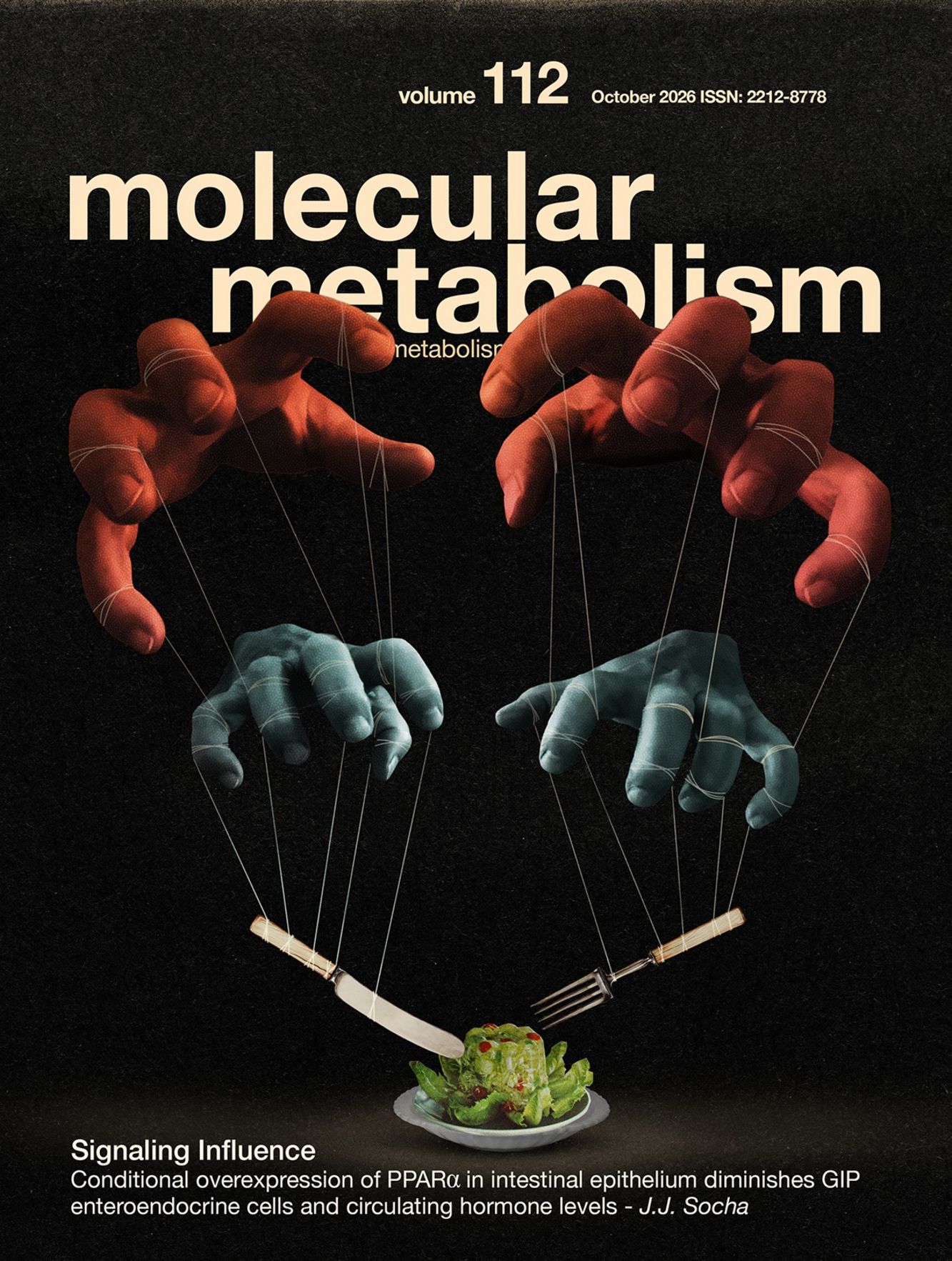
The small intestine, as the primary site of nutrient absorption, integrates signals from dietary components and gut microbiota to coordinate systemic energy balance, metabolism, and glucose homeostasis alongside other tissues such as the pancreas, liver, and brain. Nuclear receptors represent one mechanism by which the intestinal epithelium senses and respond to dietary signals via transcriptional regulation of metabolic programs. The Peroxisome Proliferator Activated Receptors (PPARs), including PPARα, PPARδ, and PPARγ, are lipid-responsive nuclear hormone receptors. PPAR transcriptional activity is highly context-dependent, shaped by the availability and affinity of their lipid ligands and co-regulators as well as by cell and tissue types. Whereas PPARγ and PPARδ are established regulators of glucose homeostasis, acting in white adipose tissue, skeletal muscle, and liver to improve insulin sensitivity, PPARα has been primarily associated with hepatic lipid metabolism, where it promotes fatty acid transport, β-oxidation, and ketogenesis. Due to their roles in lipid metabolism and anti-inflammatory processes, selective PPAR agonists are being actively pursued as therapies in clinical and pre-clinical studies for metabolic diseases. Thus, it is critical to improve our understanding of the context-specific and tissue-specific effects of PPAR signaling.
Current Issue
Targeting microbial bile salt hydrolase reprograms bile acid metabolism and ameliorates metabolic dysfunction–associated steatohepatitis in mice
Targeting microbial bile salt hydrolase reprograms bile acid metabolism and ameliorates metabolic dysfunction–associated steatohepatitis in mice
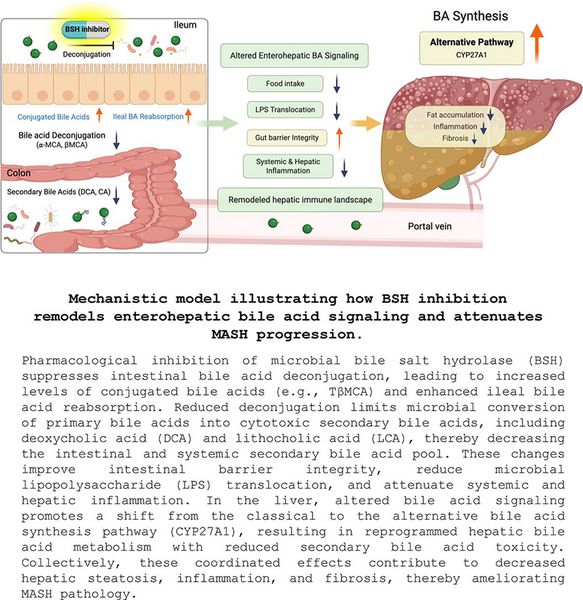
Microbial bile salt hydrolase (BSH) plays a central role in shaping bile acid composition and gut–liver metabolic signaling, yet its therapeutic potential in metabolic dysfunction–associated steatohepatitis (MASH) remains incompletely defined. Here, we evaluated the efficacy of the non-absorbable BSH inhibitor GR-7 in a diet-induced mouse model of steatohepatitis using early and late intervention strategies with different dosing regimens. GR-7 reduced food intake and exerted stage- and dose-dependent therapeutic effects, with early intervention robustly suppressing hepatic fibrosis even at a low dose, whereas late-stage administration of high-dose GR-7 markedly reduced hepatic steatosis and inflammation, as evidenced by decreased liver weight, hepatic triglyceride and cholesterol levels, and plasma ALT. Although late intervention did not result in statistically significant histological reversal of fibrosis, a trend toward improvement was observed, together with suppression of fibrogenic gene expression, suggesting that prolonged treatment may further enhance antifibrotic efficacy. Mechanistically, GR-7 effectively inhibited microbial BSH activity in vivo, leading to reduced cecal unconjugated primary and secondary bile acids—including deoxycholic acid and lithocholic acid, which was associated with improved gut barrier integrity and reduced hepatic inflammation. In parallel, BSH inhibition reprogrammed hepatic bile acid metabolism toward activation of the alternative CYP27A1-mediated synthesis pathway, accompanied by reduced food intake, thereby contributing to reduced hepatic lipid accumulation. Furthermore, late-stage high-dose treatment selectively remodeled the hepatic immune landscape rather than fully restoring homeostasis, highlighting immune recalibration as a key component of therapeutic response. Together, these findings identify microbial BSH inhibition as a promising microbiome-targeted therapeutic strategy for MASH.
Articles in Press
Targeting microbial bile salt hydrolase reprograms bile acid metabolism and ameliorates metabolic dysfunction–associated steatohepatitis in mice
Targeting microbial bile salt hydrolase reprograms bile acid metabolism and ameliorates metabolic dysfunction–associated steatohepatitis in mice
Microbial bile salt hydrolase (BSH) plays a central role in shaping bile acid composition and gut–liver metabolic signaling, yet its therapeutic potential in metabolic dysfunction–associated steatohepatitis (MASH) remains incompletely defined. Here, we evaluated the efficacy of the non-absorbable BSH inhibitor GR-7 in a diet-induced mouse model of steatohepatitis using early and late intervention strategies with different dosing regimens. GR-7 reduced food intake and exerted stage- and dose-dependent therapeutic effects, with early intervention robustly suppressing hepatic fibrosis even at a low dose, whereas late-stage administration of high-dose GR-7 markedly reduced hepatic steatosis and inflammation, as evidenced by decreased liver weight, hepatic triglyceride and cholesterol levels, and plasma ALT. Although late intervention did not result in statistically significant histological reversal of fibrosis, a trend toward improvement was observed, together with suppression of fibrogenic gene expression, suggesting that prolonged treatment may further enhance antifibrotic efficacy. Mechanistically, GR-7 effectively inhibited microbial BSH activity in vivo, leading to reduced cecal unconjugated primary and secondary bile acids—including deoxycholic acid and lithocholic acid, which was associated with improved gut barrier integrity and reduced hepatic inflammation. In parallel, BSH inhibition reprogrammed hepatic bile acid metabolism toward activation of the alternative CYP27A1-mediated synthesis pathway, accompanied by reduced food intake, thereby contributing to reduced hepatic lipid accumulation. Furthermore, late-stage high-dose treatment selectively remodeled the hepatic immune landscape rather than fully restoring homeostasis, highlighting immune recalibration as a key component of therapeutic response. Together, these findings identify microbial BSH inhibition as a promising microbiome-targeted therapeutic strategy for MASH.

2025 Impact Factor: 6.3
You are what you eat
Here is a video of Vimeo. When the iframes is activated, a connection to Vimeo is established and, if necessary, cookies from Vimeo are also used. For further information on cookies policy click here.