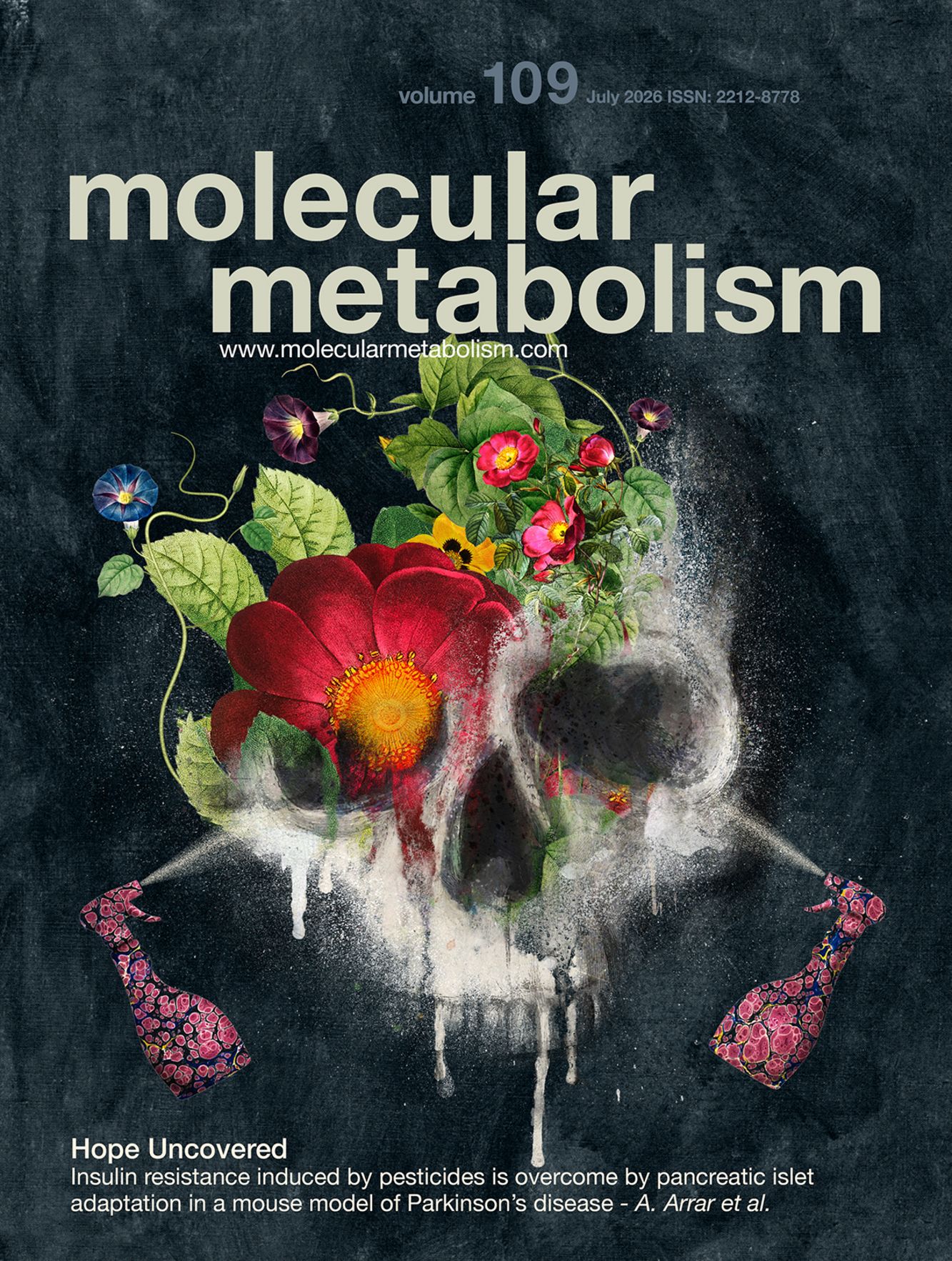
Cover Story Current Issue

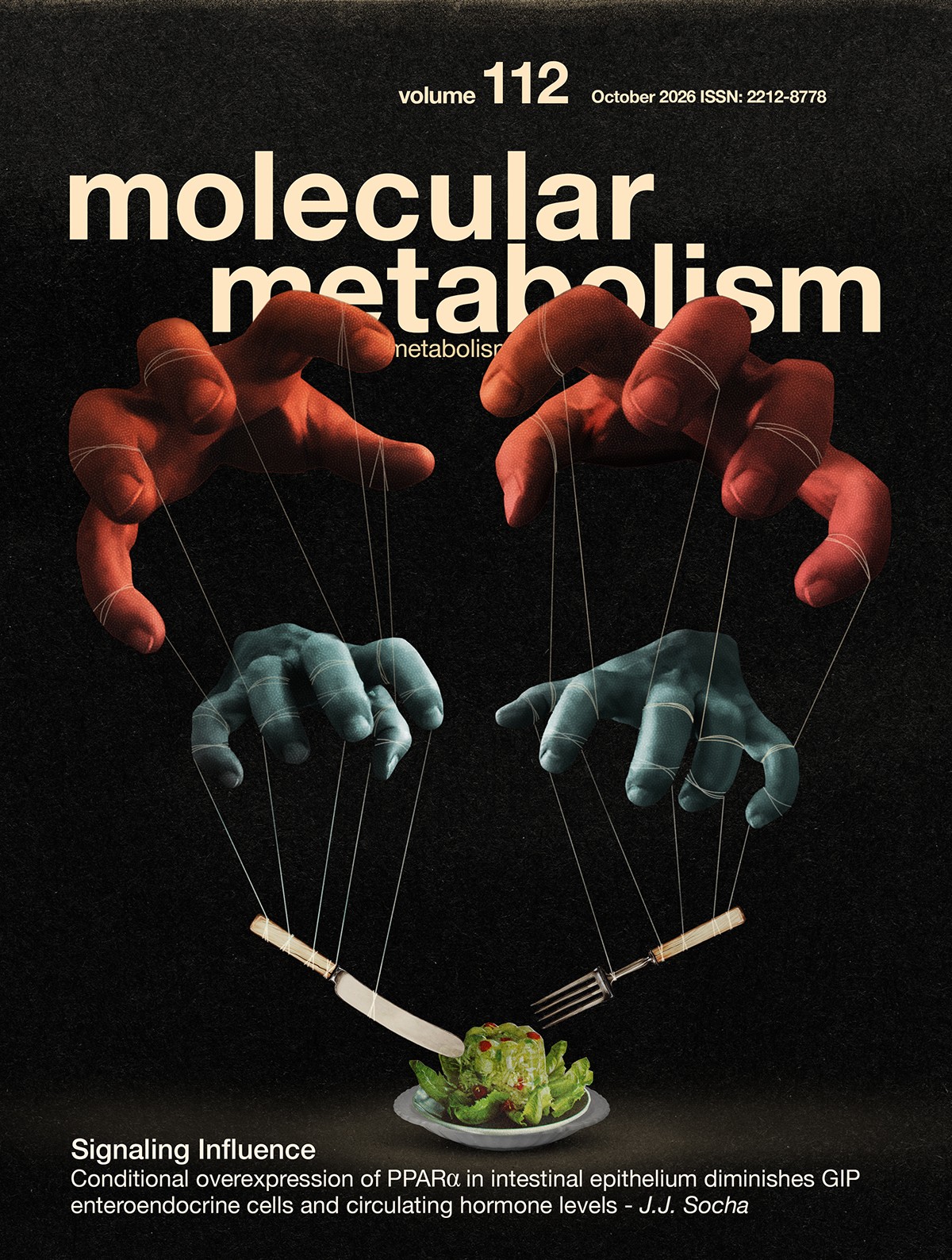
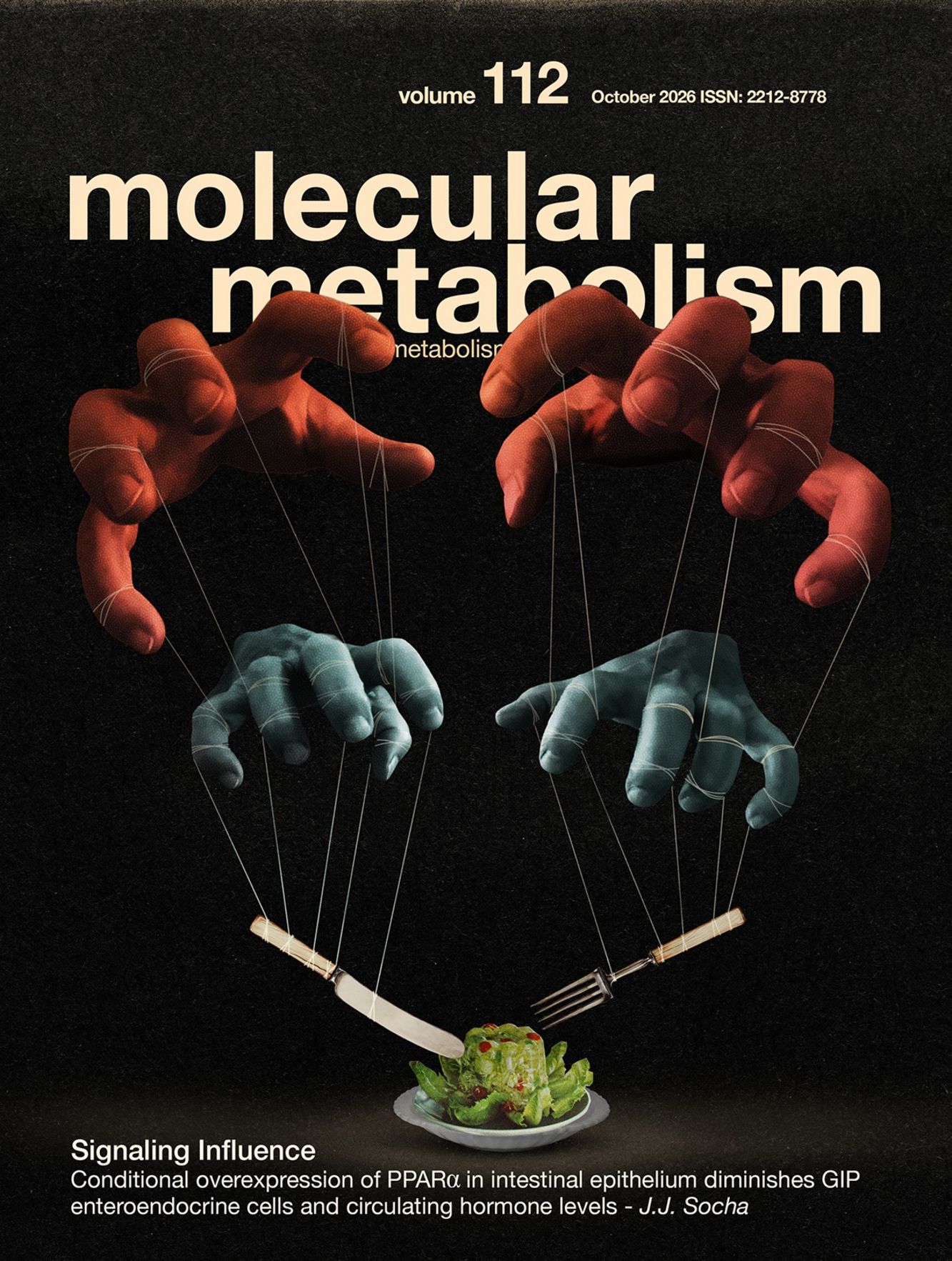
The small intestine, as the primary site of nutrient absorption, integrates signals from dietary components and gut microbiota to coordinate systemic energy balance, metabolism, and glucose homeostasis alongside other tissues such as the pancreas, liver, and brain. Nuclear receptors represent one mechanism by which the intestinal epithelium senses and respond to dietary signals via transcriptional regulation of metabolic programs. The Peroxisome Proliferator Activated Receptors (PPARs), including PPARα, PPARδ, and PPARγ, are lipid-responsive nuclear hormone receptors. PPAR transcriptional activity is highly context-dependent, shaped by the availability and affinity of their lipid ligands and co-regulators as well as by cell and tissue types. Whereas PPARγ and PPARδ are established regulators of glucose homeostasis, acting in white adipose tissue, skeletal muscle, and liver to improve insulin sensitivity, PPARα has been primarily associated with hepatic lipid metabolism, where it promotes fatty acid transport, β-oxidation, and ketogenesis. Due to their roles in lipid metabolism and anti-inflammatory processes, selective PPAR agonists are being actively pursued as therapies in clinical and pre-clinical studies for metabolic diseases. Thus, it is critical to improve our understanding of the context-specific and tissue-specific effects of PPAR signaling.

Full text


Current Issue

Adaptive oligodendrogenesis regulates blood-hypothalamus barrier permeability, hypothalamic glucose sensing and systemic glucose homeostasis in male mice

Sophie Buller, Emily O. Staricoff, Christine Riches, Anthony Tsang, ... Clemence Blouet

Adaptive oligodendrogenesis regulates blood-hypothalamus barrier permeability, hypothalamic glucose sensing and systemic glucose homeostasis in male mice

Objective

Brain glucose sensing is critical for survival during hypoglycaemia, yet how glucose-sensing neurons access circulating glucose concentrations to maintain glucose homeostasis remains poorly understood. Here we tested the hypothesis that adult oligodendrogenesis in the median eminence (ME) is responsive to changes in blood glucose levels and contributes to hypothalamic glucose sensing through regulation of the blood-hypothalamus barrier.

Methods

We used glycemic challenges and hypoinsulinaemic clamp studies to identify the effect of systemic changes in glycaemia on hypothalamic oligodendrocyte lineage cells. We used conditional knockout mouse models to dissect the respective contributions of adult oligodendrogenesis and new myelin formation to glucose homeostasis in adult male mice. Analyses combined immunofluorescence, serial electron microscopy, whole-brain tissue clearing, and transcriptomic analyses.

Results

We found that adult oligodendrogenesis in the median eminence (ME) is modulated by changes in circulating glucose levels and rapidly upregulated by hypoglycaemia. Genetic blockade of new oligodendrocyte production in adult male mice impairs the regulation of glucose homeostasis, the integrity of the ME blood-hypothalamus barrier, and hypothalamic glucose sensing. Unexpectedly, functional integrity of adult-formed myelin is not required for the maintenance of glucose homeostasis. Instead, we show that blockade of adult oligodendrogenesis disrupts hypothalamic expression of A disintegrin and metallopeptidase with thrombospondin motifs 4 (ADAMTS4), a metallopeptidase whose brain expression is restricted to the oligodendrocyte lineage and whose ME expression requires ongoing adult oligodendrogenesis. We show that ADAMTS4 regulates hypothalamic perineuronal net deposition, vascular permeability and glucose sensing. Finally, we show that ME ADAMTS4 expression is regulated by changes in peripheral glycaemia and is dysregulated in diabetes, providing a mechanism by which ME oligodendrocytes contribute to the regulation of glucose homeostasis.

Articles in Press

Adaptive oligodendrogenesis regulates blood-hypothalamus barrier permeability, hypothalamic glucose sensing and systemic glucose homeostasis in male mice

Sophie Buller, Emily O. Staricoff, Christine Riches, Anthony Tsang, ... Clemence Blouet

Adaptive oligodendrogenesis regulates blood-hypothalamus barrier permeability, hypothalamic glucose sensing and systemic glucose homeostasis in male mice

Objective

Brain glucose sensing is critical for survival during hypoglycaemia, yet how glucose-sensing neurons access circulating glucose concentrations to maintain glucose homeostasis remains poorly understood. Here we tested the hypothesis that adult oligodendrogenesis in the median eminence (ME) is responsive to changes in blood glucose levels and contributes to hypothalamic glucose sensing through regulation of the blood-hypothalamus barrier.

Methods

We used glycemic challenges and hypoinsulinaemic clamp studies to identify the effect of systemic changes in glycaemia on hypothalamic oligodendrocyte lineage cells. We used conditional knockout mouse models to dissect the respective contributions of adult oligodendrogenesis and new myelin formation to glucose homeostasis in adult male mice. Analyses combined immunofluorescence, serial electron microscopy, whole-brain tissue clearing, and transcriptomic analyses.

Results

We found that adult oligodendrogenesis in the median eminence (ME) is modulated by changes in circulating glucose levels and rapidly upregulated by hypoglycaemia. Genetic blockade of new oligodendrocyte production in adult male mice impairs the regulation of glucose homeostasis, the integrity of the ME blood-hypothalamus barrier, and hypothalamic glucose sensing. Unexpectedly, functional integrity of adult-formed myelin is not required for the maintenance of glucose homeostasis. Instead, we show that blockade of adult oligodendrogenesis disrupts hypothalamic expression of A disintegrin and metallopeptidase with thrombospondin motifs 4 (ADAMTS4), a metallopeptidase whose brain expression is restricted to the oligodendrocyte lineage and whose ME expression requires ongoing adult oligodendrogenesis. We show that ADAMTS4 regulates hypothalamic perineuronal net deposition, vascular permeability and glucose sensing. Finally, we show that ME ADAMTS4 expression is regulated by changes in peripheral glycaemia and is dysregulated in diabetes, providing a mechanism by which ME oligodendrocytes contribute to the regulation of glucose homeostasis.

2025 Impact Factor: 6.3

You are what you eat

Here is a video of Vimeo. When the iframes is activated, a connection to Vimeo is established and, if necessary, cookies from Vimeo are also used. For further information on cookies policy click here.

Auf Werbeinhalte, die vor, während oder nach Videos von WEBSITE-URL eingeblendet werden, hat WEBSITE-URL keinen Einfluss. Wir übernehmen keine Gewähr für diese Inhalte. Weitere Informationen finden Sie hier.