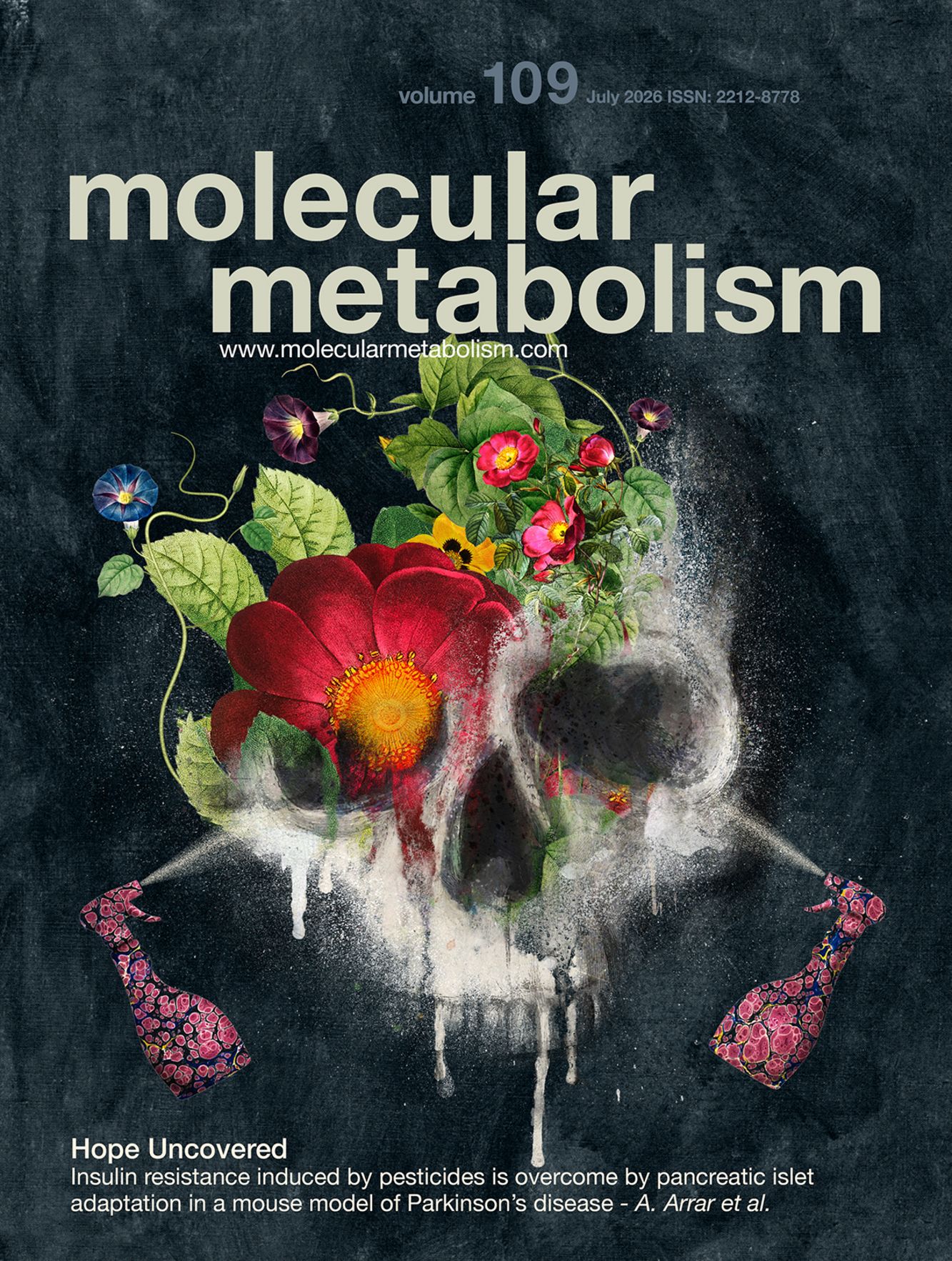
Cover Story Current Issue

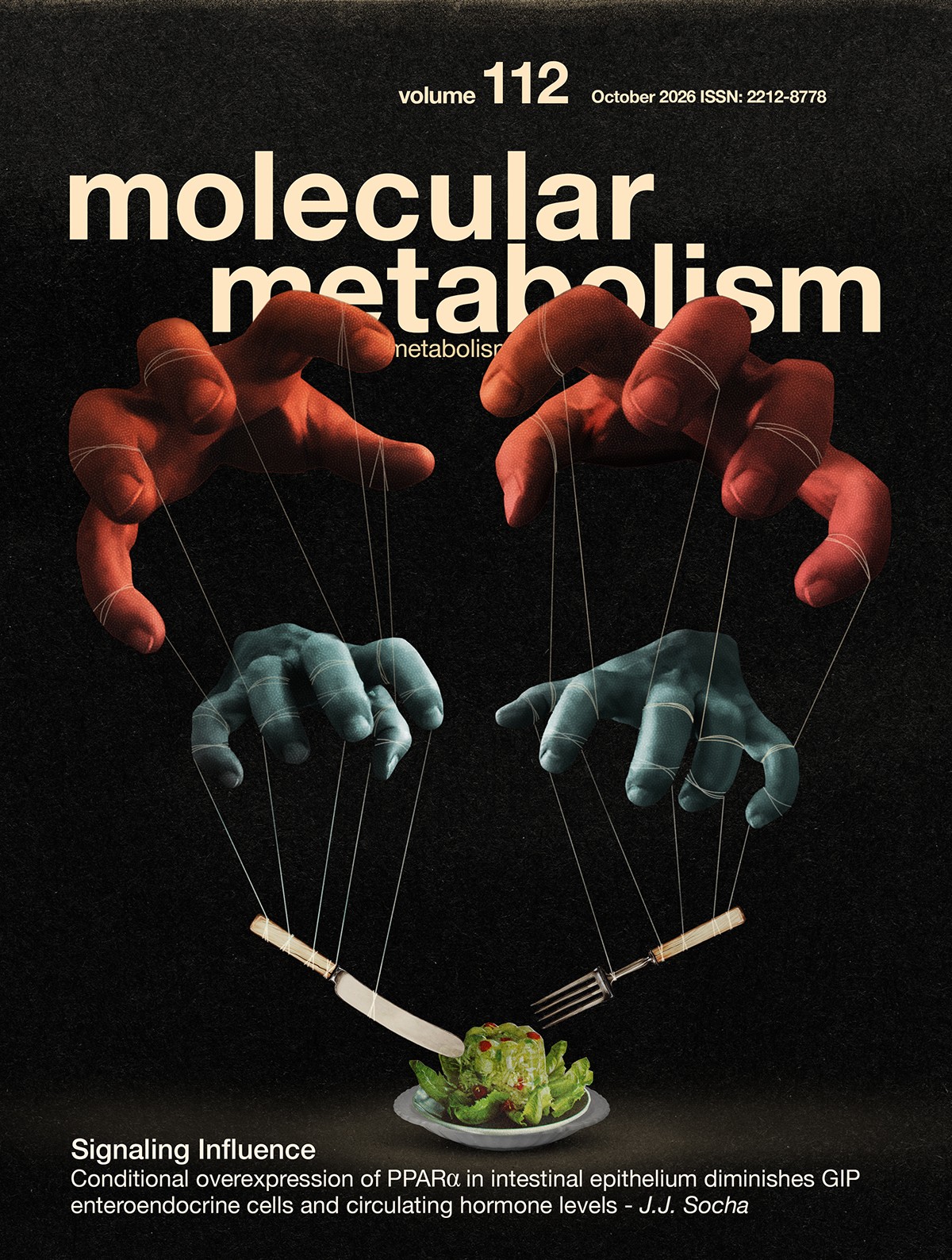
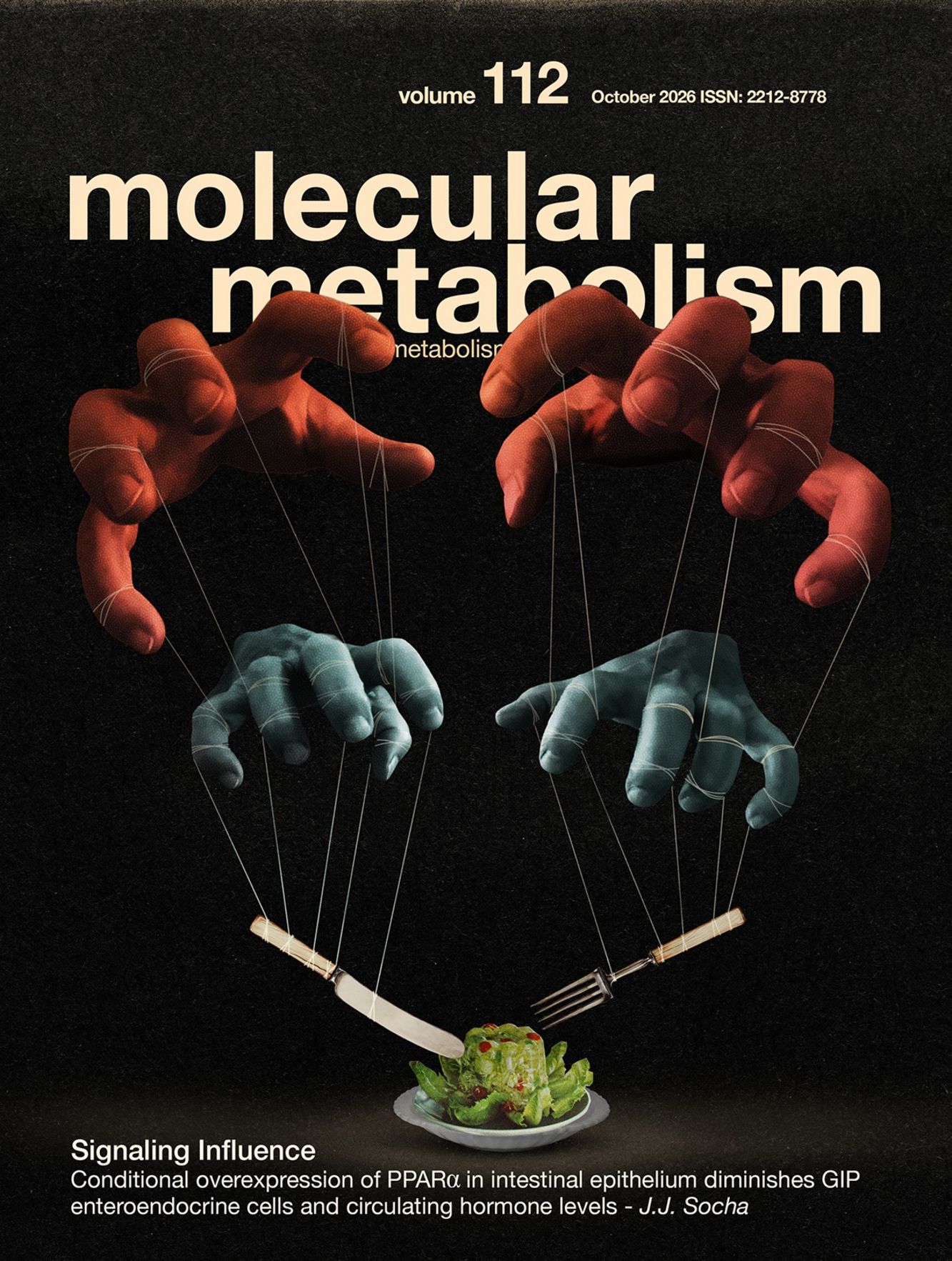
The small intestine, as the primary site of nutrient absorption, integrates signals from dietary components and gut microbiota to coordinate systemic energy balance, metabolism, and glucose homeostasis alongside other tissues such as the pancreas, liver, and brain. Nuclear receptors represent one mechanism by which the intestinal epithelium senses and respond to dietary signals via transcriptional regulation of metabolic programs. The Peroxisome Proliferator Activated Receptors (PPARs), including PPARα, PPARδ, and PPARγ, are lipid-responsive nuclear hormone receptors. PPAR transcriptional activity is highly context-dependent, shaped by the availability and affinity of their lipid ligands and co-regulators as well as by cell and tissue types. Whereas PPARγ and PPARδ are established regulators of glucose homeostasis, acting in white adipose tissue, skeletal muscle, and liver to improve insulin sensitivity, PPARα has been primarily associated with hepatic lipid metabolism, where it promotes fatty acid transport, β-oxidation, and ketogenesis. Due to their roles in lipid metabolism and anti-inflammatory processes, selective PPAR agonists are being actively pursued as therapies in clinical and pre-clinical studies for metabolic diseases. Thus, it is critical to improve our understanding of the context-specific and tissue-specific effects of PPAR signaling.

Full text


Current Issue

Molecular mechanisms of lipid sensing in human cholecystokinin-secreting enteroendocrine cells

Marta Santos-Hernández, Mae Tabbada, Nademah Tamkin, Linxia Li, ... Fiona M. Gribble

Objective

Cholecystokinin (CCK) has been implicated in coordinating lipid digestion and satiety. However, the molecular mechanisms underlying nutrient-dependent CCK-release from human I-cells are not well understood, at least in part due to the cells’ scattered distribution and a lack of reliable CCK-assays. Here we used human intestinal organoids to characterize lipid-sensing mechanisms underlying CCK release.

Methods

Human duodenal organoids were genetically engineered using CRISPR-Cas9 to insert either the fluorescent protein Venus or the cAMP reporter Epac-S-H187 at the CCK locus. Transcriptomic profiling of CCK-positive and negative cells was performed following fluorescent-activated cell sorting. Intracellular calcium and cAMP as well as CCK-GRAB-sensor secretory responses were assessed during live-cell imaging, and CCK secretion was quantified by LC-MS/MS. To evaluate lipid-sensing pathways, FFAR1, FFAR4, and GPR119 knockout organoids were generated.

Results

Transcriptomic analysis identified expression of lipid-sensing GPCRs in I-cells, including FFAR1, FFAR4, FFAR2, GPR119, GPBAR1, OR51E1 and OR51E2. Fatty acids and FFAR1 agonists increased intracellular calcium, whereas agonists of GPBAR1 and GPR119, and short-chain fatty acids elevated cAMP. CCK release was triggered by FFAR1, GPBAR and GPR119 agonists, and fatty acids with chain-length > C8. FFAR1 knockout organoids exhibited impaired Ca2+ and CCK secretory responses to fatty acids, whereas responses of FFAR4 KO organoids were like wild-type.

Conclusions

In human I-cells, FFAR1 plays a crucial role in lipid-induced CCK release, whereas FFAR4 appears to be redundant in this context. These findings improve understanding of human CCK physiology and identify potential therapeutic targets for metabolic regulation and appetite control.

Articles in Press

Molecular mechanisms of lipid sensing in human cholecystokinin-secreting enteroendocrine cells

Marta Santos-Hernández, Mae Tabbada, Nademah Tamkin, Linxia Li, ... Fiona M. Gribble

Objective

Cholecystokinin (CCK) has been implicated in coordinating lipid digestion and satiety. However, the molecular mechanisms underlying nutrient-dependent CCK-release from human I-cells are not well understood, at least in part due to the cells’ scattered distribution and a lack of reliable CCK-assays. Here we used human intestinal organoids to characterize lipid-sensing mechanisms underlying CCK release.

Methods

Human duodenal organoids were genetically engineered using CRISPR-Cas9 to insert either the fluorescent protein Venus or the cAMP reporter Epac-S-H187 at the CCK locus. Transcriptomic profiling of CCK-positive and negative cells was performed following fluorescent-activated cell sorting. Intracellular calcium and cAMP as well as CCK-GRAB-sensor secretory responses were assessed during live-cell imaging, and CCK secretion was quantified by LC-MS/MS. To evaluate lipid-sensing pathways, FFAR1, FFAR4, and GPR119 knockout organoids were generated.

Results

Transcriptomic analysis identified expression of lipid-sensing GPCRs in I-cells, including FFAR1, FFAR4, FFAR2, GPR119, GPBAR1, OR51E1 and OR51E2. Fatty acids and FFAR1 agonists increased intracellular calcium, whereas agonists of GPBAR1 and GPR119, and short-chain fatty acids elevated cAMP. CCK release was triggered by FFAR1, GPBAR and GPR119 agonists, and fatty acids with chain-length > C8. FFAR1 knockout organoids exhibited impaired Ca2+ and CCK secretory responses to fatty acids, whereas responses of FFAR4 KO organoids were like wild-type.

Conclusions

In human I-cells, FFAR1 plays a crucial role in lipid-induced CCK release, whereas FFAR4 appears to be redundant in this context. These findings improve understanding of human CCK physiology and identify potential therapeutic targets for metabolic regulation and appetite control.

2025 Impact Factor: 6.3

You are what you eat

Here is a video of Vimeo. When the iframes is activated, a connection to Vimeo is established and, if necessary, cookies from Vimeo are also used. For further information on cookies policy click here.

Auf Werbeinhalte, die vor, während oder nach Videos von WEBSITE-URL eingeblendet werden, hat WEBSITE-URL keinen Einfluss. Wir übernehmen keine Gewähr für diese Inhalte. Weitere Informationen finden Sie hier.