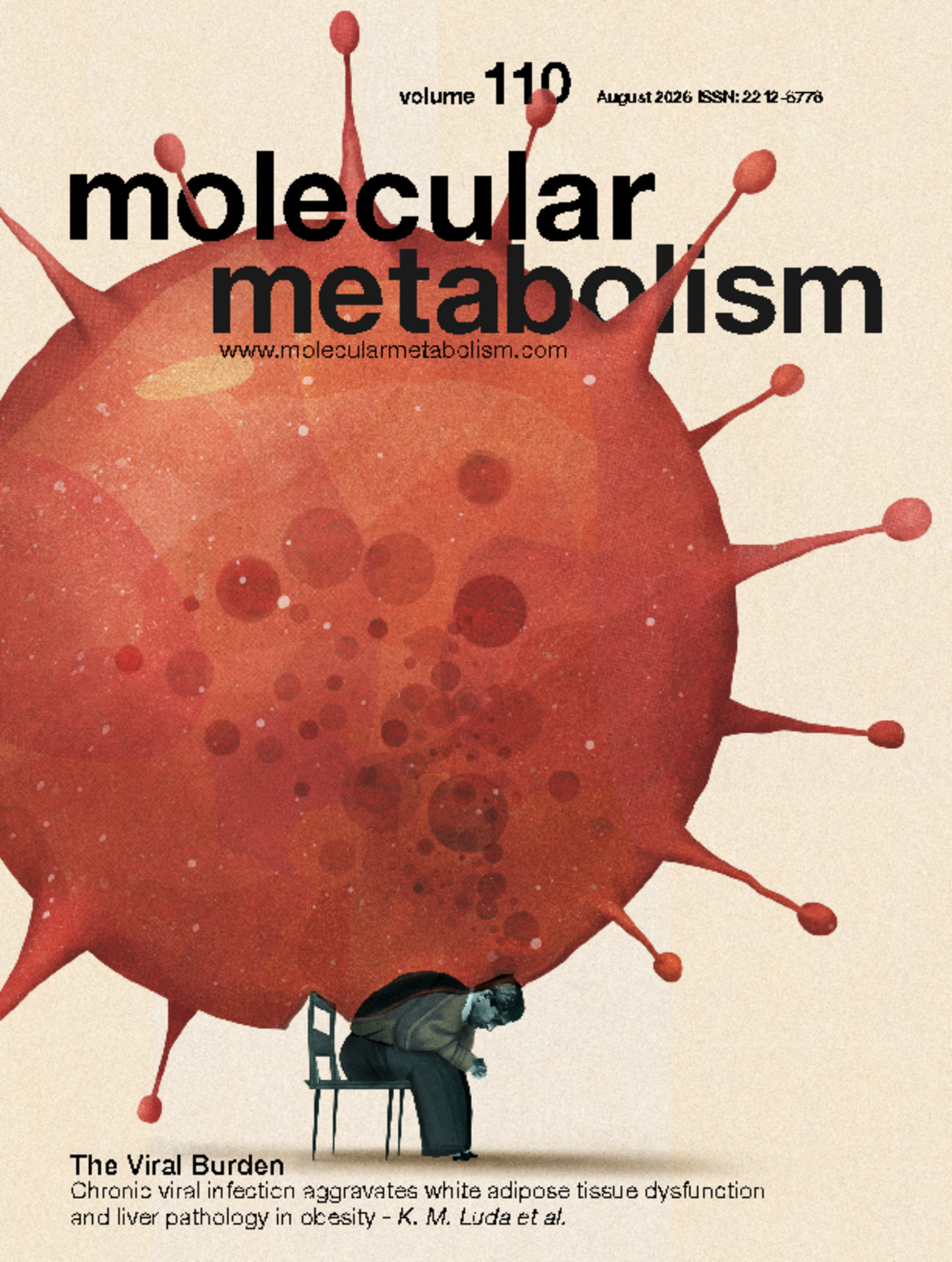
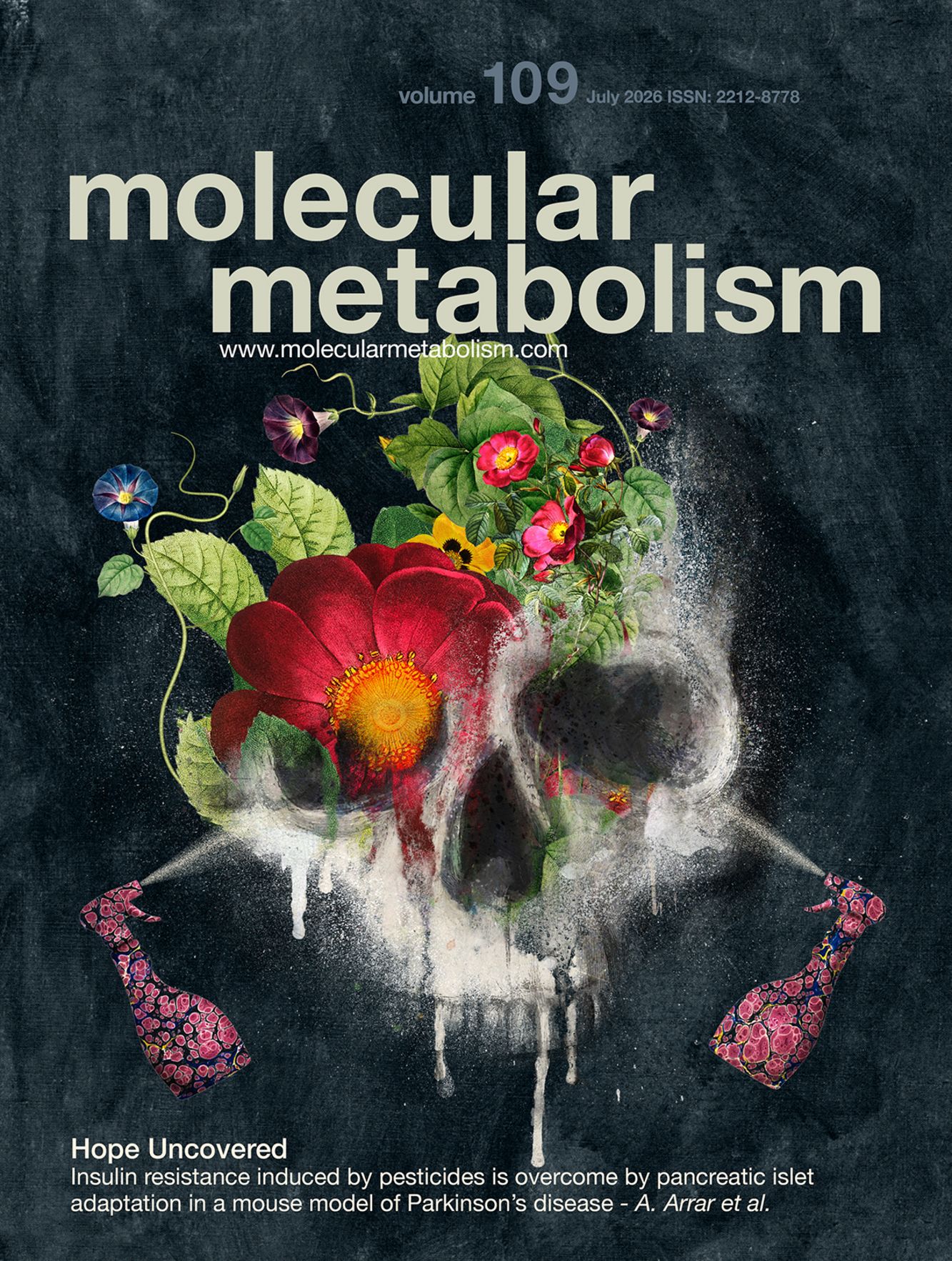
Cover Story Current Issue

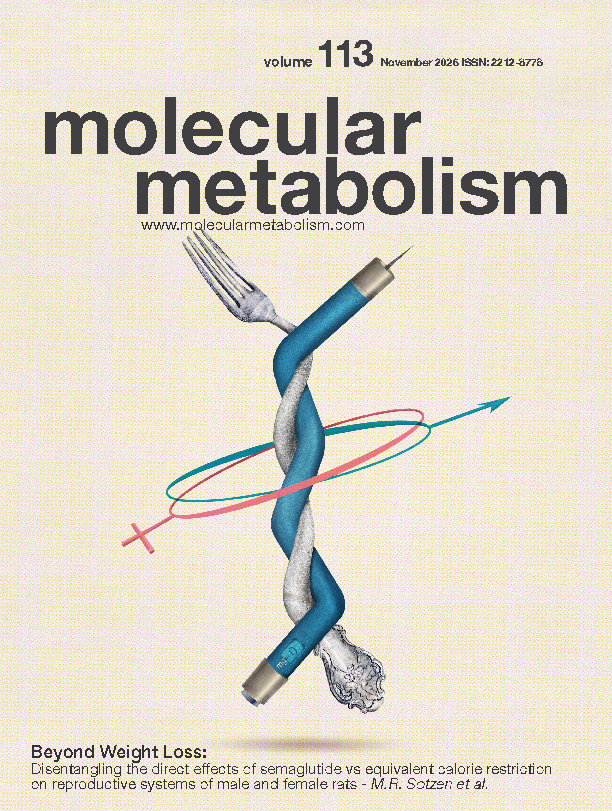
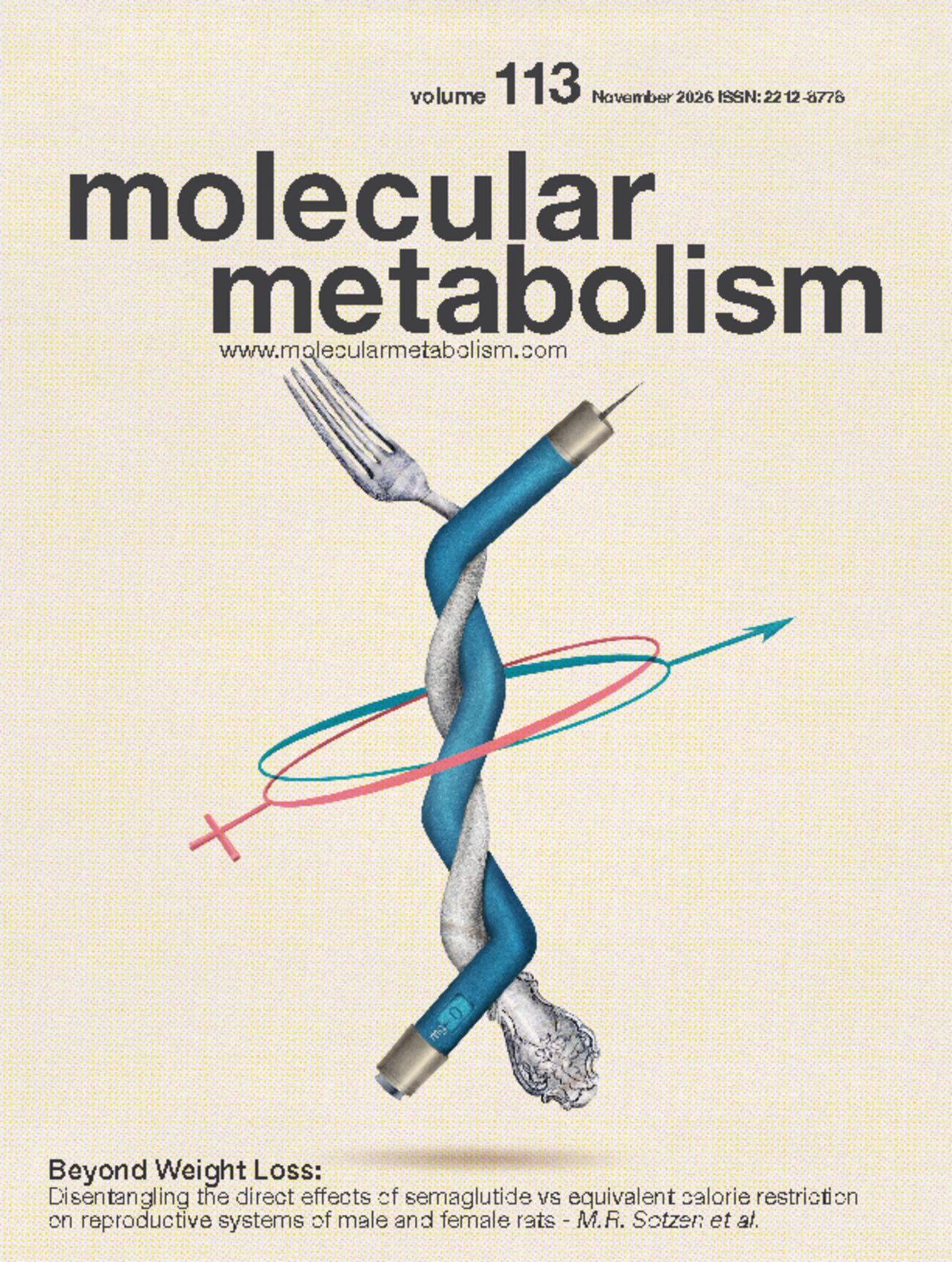
Obesity affects a significant fraction of the world population, with some states or countries reporting overwhelming majority of the population as obese or overweight. Effective treatments were not readily available until the recent approval of glucagon-like peptide-1 (GLP-1) -based pharmacotherapeutics for weight loss. Since then, the use of GLP-1-based pharmacotherapies for the treatment of obesity has skyrocketed. In addition to or because of the effective weight loss, these medications affect many different organs in the body. Many of these effects, including the degree of weight loss achieved, show significant sex differences. Moreover, recent analysis of online patient communities identified a range of self-reported reproductive and endocrine side effects of GLP-1 based therapies including menstrual irregularities, reduced libido, and hot-flashes that have not been systematically captured in clinical trials. Some of these reports contrast with recent data indicating that in Polyendocrine Metabolic Ovarian Syndrome (PMOS; formerly Polycystic Ovary Syndrome) patients semaglutide-associated weight loss normalizes menstrual cycles in most patients, leaving this issue unresolved. While it has been established that sex and sex hormones affect the action of GLP-1 analogues, whether these medications affect the levels of sex hormones and reproductive organs is less well understood, especially in a chronic and clinically relevant drug application setting.

Full text


Current Issue

The circadian clock component NPAS2 is modulated by AMPK and regulates substrate utilization and mitochondrial function in human skeletal muscle cells

David Rizo-Roca, Logan A. Pendergrast, Prasad Kamble, Dimitrius Santiago P.S.F. Guimarães, ... Juleen R. Zierath

The circadian clock component NPAS2 is modulated by AMPK and regulates substrate utilization and mitochondrial function in human skeletal muscle cells

The molecular circadian clock coordinates cellular and systemic metabolism across the day, yet how it integrates with energy-sensing pathways in human skeletal muscle remains incompletely understood. AMP-activated protein kinase (AMPK) functions as a cellular energy sensor and has been implicated in circadian regulation; however, its role in coupling clock components to metabolic programming in human muscle has not been established.

Here, we investigated the interaction between AMPK signaling and the circadian machinery in primary human myotubes, focusing on the downstream clock components NPAS2 and DBP. Silencing of the AMPKα subunit altered core clock gene expression, increasing CRY1 and CRY2 while reducing NPAS2 and DBP expression, with rhythmicity preserved. To determine the functional relevance of these changes, we examined metabolic phenotypes following siRNA-mediated silencing of NPAS2. NPAS2 knockdown reduced basal oxidative metabolism, decreased abundance of electron transport chain subunits, and increased β-oxidation flux, while maximal mitochondrial respiratory capacity remained intact. These alterations occurred independently of canonical AMPK–ACC signaling but were associated with reduced HIF1A expression. In contrast, DBP silencing reduced glucose oxidation but did not recapitulate the broader metabolic remodeling observed with NPAS2 knockdown.

Together, these findings identify NPAS2 as a downstream mediator linking AMPK-dependent circadian signaling to skeletal muscle metabolic regulation. Disruption of this axis alters substrate utilization and impairs mitochondrial function, revealing a mechanism by which circadian clock components contribute to metabolic regulation in human skeletal muscle.

Articles in Press

The circadian clock component NPAS2 is modulated by AMPK and regulates substrate utilization and mitochondrial function in human skeletal muscle cells

David Rizo-Roca, Logan A. Pendergrast, Prasad Kamble, Dimitrius Santiago P.S.F. Guimarães, ... Juleen R. Zierath

The circadian clock component NPAS2 is modulated by AMPK and regulates substrate utilization and mitochondrial function in human skeletal muscle cells

The molecular circadian clock coordinates cellular and systemic metabolism across the day, yet how it integrates with energy-sensing pathways in human skeletal muscle remains incompletely understood. AMP-activated protein kinase (AMPK) functions as a cellular energy sensor and has been implicated in circadian regulation; however, its role in coupling clock components to metabolic programming in human muscle has not been established.

Here, we investigated the interaction between AMPK signaling and the circadian machinery in primary human myotubes, focusing on the downstream clock components NPAS2 and DBP. Silencing of the AMPKα subunit altered core clock gene expression, increasing CRY1 and CRY2 while reducing NPAS2 and DBP expression, with rhythmicity preserved. To determine the functional relevance of these changes, we examined metabolic phenotypes following siRNA-mediated silencing of NPAS2. NPAS2 knockdown reduced basal oxidative metabolism, decreased abundance of electron transport chain subunits, and increased β-oxidation flux, while maximal mitochondrial respiratory capacity remained intact. These alterations occurred independently of canonical AMPK–ACC signaling but were associated with reduced HIF1A expression. In contrast, DBP silencing reduced glucose oxidation but did not recapitulate the broader metabolic remodeling observed with NPAS2 knockdown.

Together, these findings identify NPAS2 as a downstream mediator linking AMPK-dependent circadian signaling to skeletal muscle metabolic regulation. Disruption of this axis alters substrate utilization and impairs mitochondrial function, revealing a mechanism by which circadian clock components contribute to metabolic regulation in human skeletal muscle.

2025 Impact Factor: 6.3

You are what you eat

Here is a video of Vimeo. When the iframes is activated, a connection to Vimeo is established and, if necessary, cookies from Vimeo are also used. For further information on cookies policy click here.

Auf Werbeinhalte, die vor, während oder nach Videos von WEBSITE-URL eingeblendet werden, hat WEBSITE-URL keinen Einfluss. Wir übernehmen keine Gewähr für diese Inhalte. Weitere Informationen finden Sie hier.