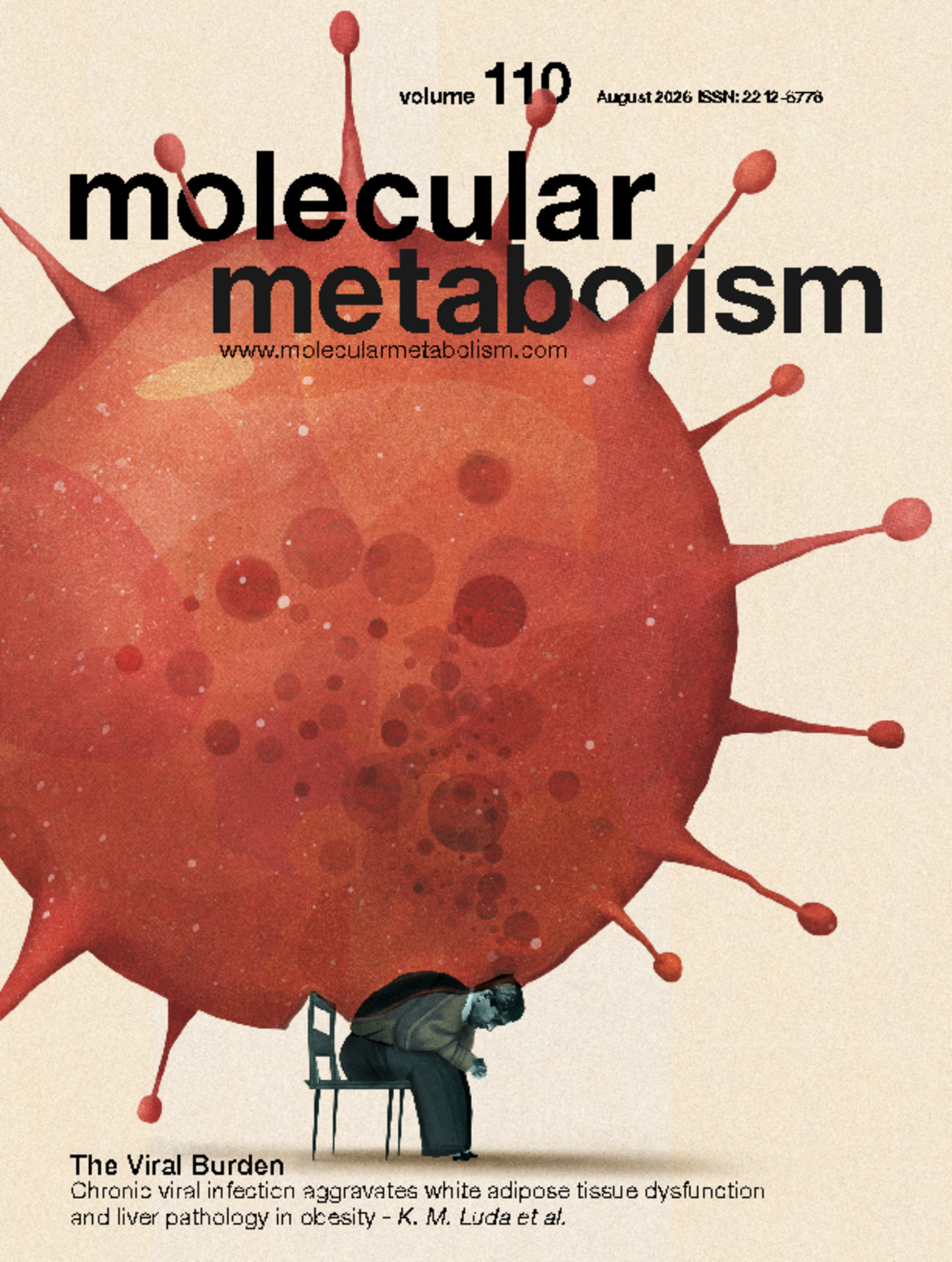

Cover Story Current Issue

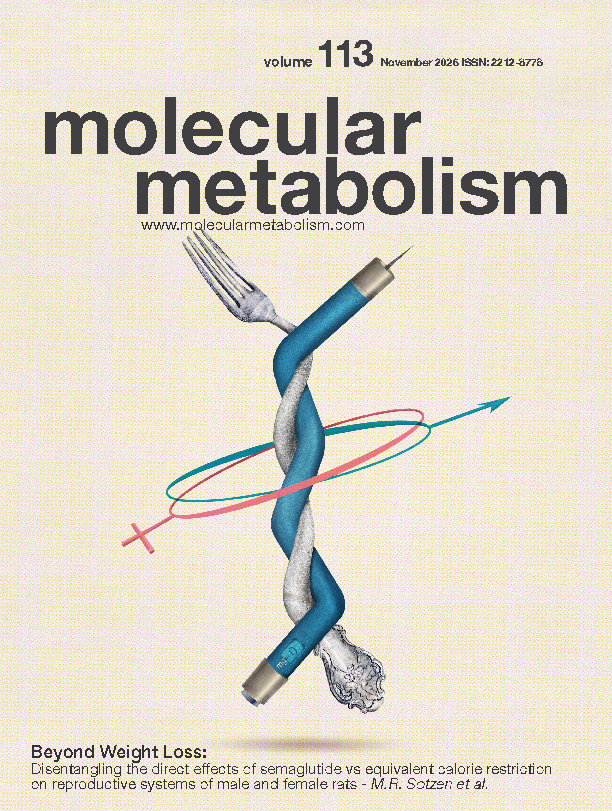
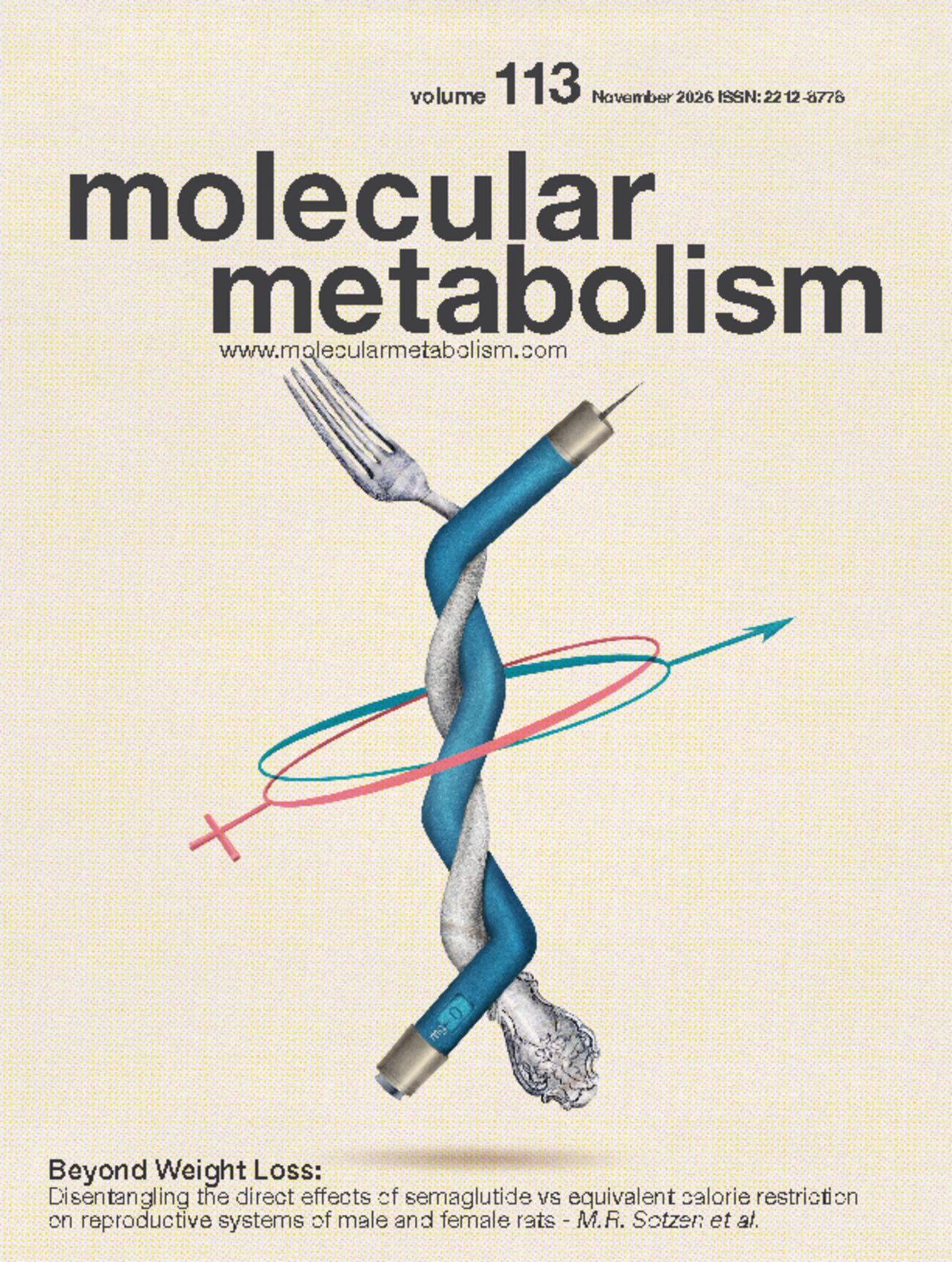
Obesity affects a significant fraction of the world population, with some states or countries reporting overwhelming majority of the population as obese or overweight. Effective treatments were not readily available until the recent approval of glucagon-like peptide-1 (GLP-1) -based pharmacotherapeutics for weight loss. Since then, the use of GLP-1-based pharmacotherapies for the treatment of obesity has skyrocketed. In addition to or because of the effective weight loss, these medications affect many different organs in the body. Many of these effects, including the degree of weight loss achieved, show significant sex differences. Moreover, recent analysis of online patient communities identified a range of self-reported reproductive and endocrine side effects of GLP-1 based therapies including menstrual irregularities, reduced libido, and hot-flashes that have not been systematically captured in clinical trials. Some of these reports contrast with recent data indicating that in Polyendocrine Metabolic Ovarian Syndrome (PMOS; formerly Polycystic Ovary Syndrome) patients semaglutide-associated weight loss normalizes menstrual cycles in most patients, leaving this issue unresolved. While it has been established that sex and sex hormones affect the action of GLP-1 analogues, whether these medications affect the levels of sex hormones and reproductive organs is less well understood, especially in a chronic and clinically relevant drug application setting.

Full text


Current Issue

Global GPR75 deficiency protects against diet-induced obesity through central and peripheral mechanisms

Xiaoyun Cao, Vanna Chhay, Thi Tun Thi, Hui Li, ... Haojie Yu

Global GPR75 deficiency protects against diet-induced obesity through central and peripheral mechanisms

Loss-of-function variants of GPR75 are associated with protection against obesity in humans; however, the mechanisms through which GPR75 regulates whole-body energy homeostasis remain incompletely understood. Here, we generated Gpr75 global knockout (GKO) mice and performed comprehensive metabolic phenotyping under chow and high-fat diet (HFD) conditions. Despite high expression of GPR75 in the brain, male GKO mice exhibited unchanged food intake during the period when body weights began to diverge. Instead, GPR75 deficiency resulted in reduced whole-body energy expenditure and an elevated respiratory exchange ratio, indicating decreased fat utilization. Notably, male, but not female, GKO mice displayed markedly impaired intestinal lipid absorption, reduced chylomicron output, and increased fecal lipid excretion, consistent with limited dietary lipid assimilation under HFD feeding.

To define the tissue-specific contributions of GPR75, we next examined hepatocyte-, intestinal epithelial-, endothelial/hematopoietic-, and AgRP neuron-specific Gpr75 knockout mice. Deletion of Gpr75 in hepatocytes (Alb-Cre), intestinal epithelium (Vil-Cre), or endothelial/hematopoietic lineages (Tie2-Cre) did not reproduce the pronounced protection against HFD-induced weight gain observed in GKO mice. In contrast, AgRP neuron-specific deletion reduced body weight by approximately 10%–12% in male and female mice and decreased white adipose depot mass by 27%–50%, establishing AgRP neurons as a specific neuronal population through which GPR75 contributes to body-weight regulation. However, the magnitude of this phenotype remained substantially smaller than that observed in global GPR75-deicient mice.

Together, our findings demonstrate that GPR75 regulates diet-induced obesity through both central and peripheral mechanisms. AgRP-neuronal GPR75 contributes to body-weight regulation in both sexes, whereas global GPR75 deficiency additionally impairs intestinal lipid assimilation in males through a mechanism not recapitulated by deletion in the tested peripheral cell populations. These complementary effects likely contribute to the pronounced resistance to diet-induced obesity and hepatic steatosis observed in global GPR75-deficient mice and further support GPR75 as a therapeutic target for obesity and associated metabolic liver disease.

Articles in Press

Global GPR75 deficiency protects against diet-induced obesity through central and peripheral mechanisms

Xiaoyun Cao, Vanna Chhay, Thi Tun Thi, Hui Li, ... Haojie Yu

Global GPR75 deficiency protects against diet-induced obesity through central and peripheral mechanisms

Loss-of-function variants of GPR75 are associated with protection against obesity in humans; however, the mechanisms through which GPR75 regulates whole-body energy homeostasis remain incompletely understood. Here, we generated Gpr75 global knockout (GKO) mice and performed comprehensive metabolic phenotyping under chow and high-fat diet (HFD) conditions. Despite high expression of GPR75 in the brain, male GKO mice exhibited unchanged food intake during the period when body weights began to diverge. Instead, GPR75 deficiency resulted in reduced whole-body energy expenditure and an elevated respiratory exchange ratio, indicating decreased fat utilization. Notably, male, but not female, GKO mice displayed markedly impaired intestinal lipid absorption, reduced chylomicron output, and increased fecal lipid excretion, consistent with limited dietary lipid assimilation under HFD feeding.

To define the tissue-specific contributions of GPR75, we next examined hepatocyte-, intestinal epithelial-, endothelial/hematopoietic-, and AgRP neuron-specific Gpr75 knockout mice. Deletion of Gpr75 in hepatocytes (Alb-Cre), intestinal epithelium (Vil-Cre), or endothelial/hematopoietic lineages (Tie2-Cre) did not reproduce the pronounced protection against HFD-induced weight gain observed in GKO mice. In contrast, AgRP neuron-specific deletion reduced body weight by approximately 10%–12% in male and female mice and decreased white adipose depot mass by 27%–50%, establishing AgRP neurons as a specific neuronal population through which GPR75 contributes to body-weight regulation. However, the magnitude of this phenotype remained substantially smaller than that observed in global GPR75-deicient mice.

Together, our findings demonstrate that GPR75 regulates diet-induced obesity through both central and peripheral mechanisms. AgRP-neuronal GPR75 contributes to body-weight regulation in both sexes, whereas global GPR75 deficiency additionally impairs intestinal lipid assimilation in males through a mechanism not recapitulated by deletion in the tested peripheral cell populations. These complementary effects likely contribute to the pronounced resistance to diet-induced obesity and hepatic steatosis observed in global GPR75-deficient mice and further support GPR75 as a therapeutic target for obesity and associated metabolic liver disease.

2025 Impact Factor: 6.3

You are what you eat

Here is a video of Vimeo. When the iframes is activated, a connection to Vimeo is established and, if necessary, cookies from Vimeo are also used. For further information on cookies policy click here.

Auf Werbeinhalte, die vor, während oder nach Videos von WEBSITE-URL eingeblendet werden, hat WEBSITE-URL keinen Einfluss. Wir übernehmen keine Gewähr für diese Inhalte. Weitere Informationen finden Sie hier.