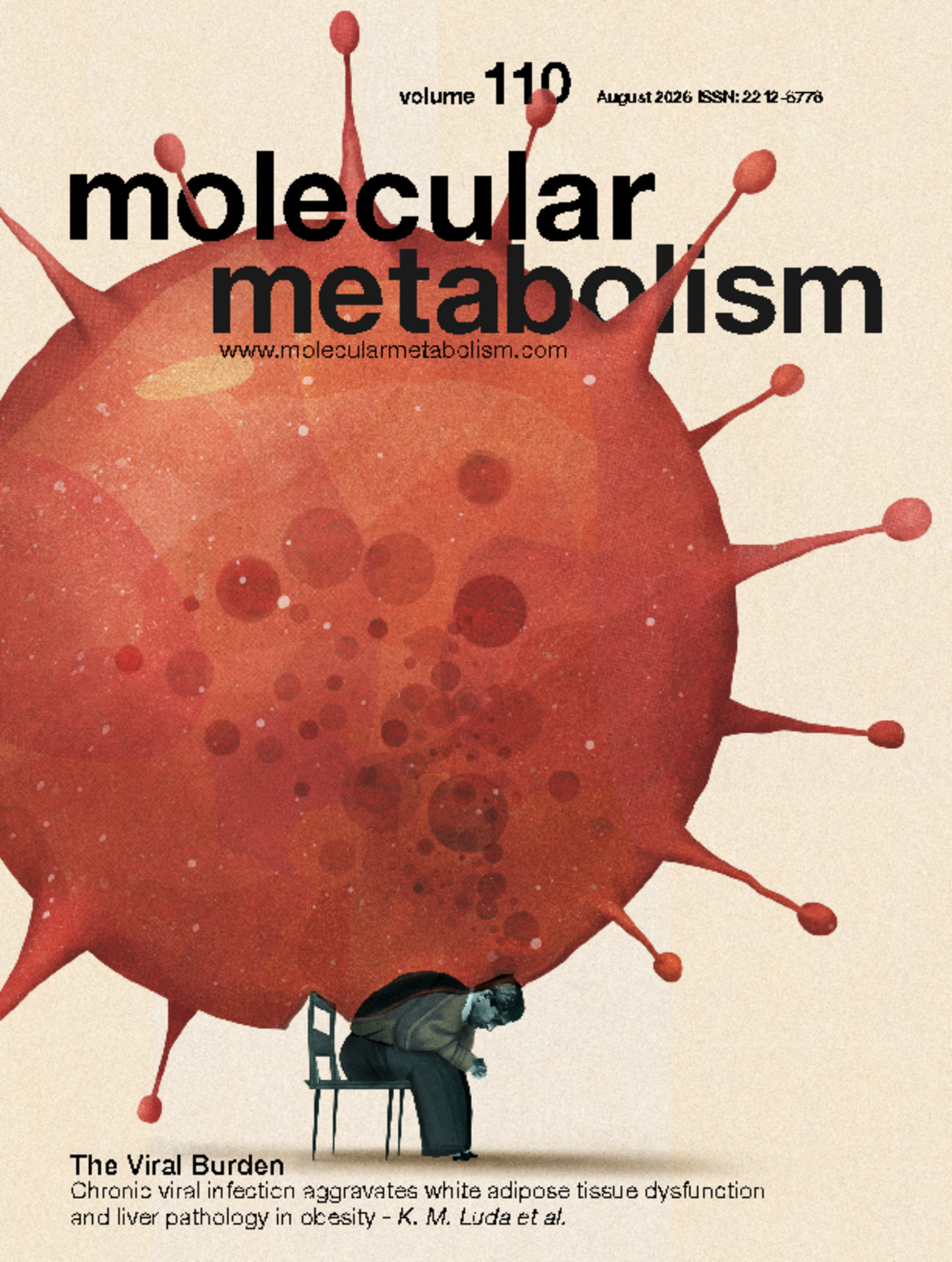
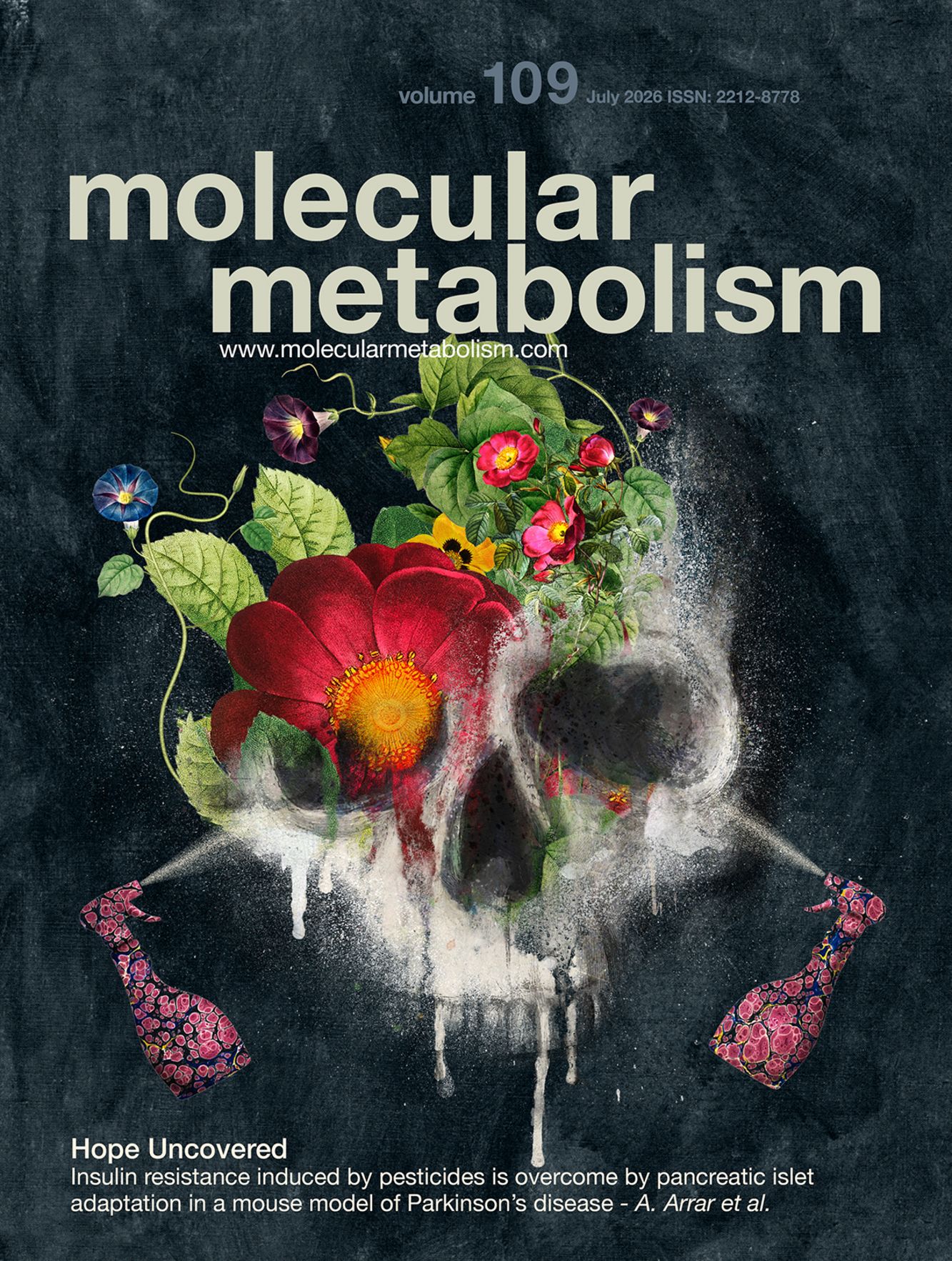
Cover Story Current Issue

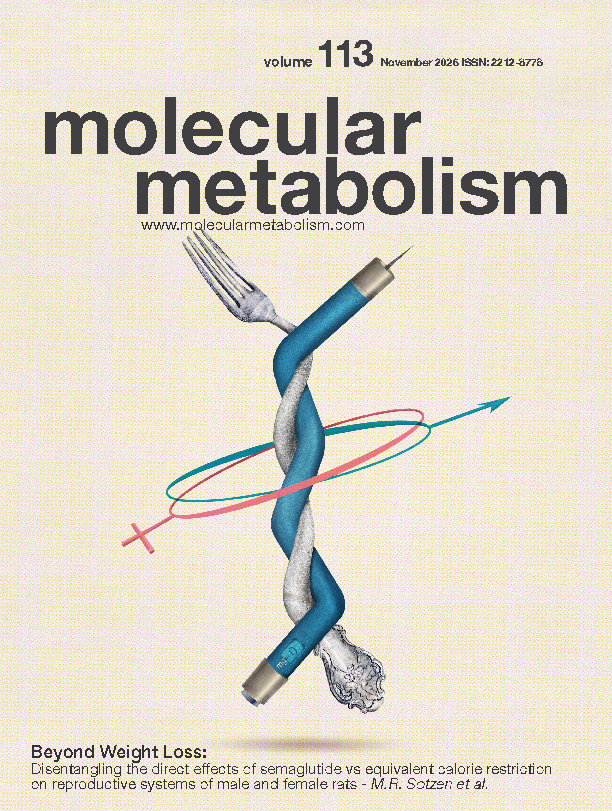
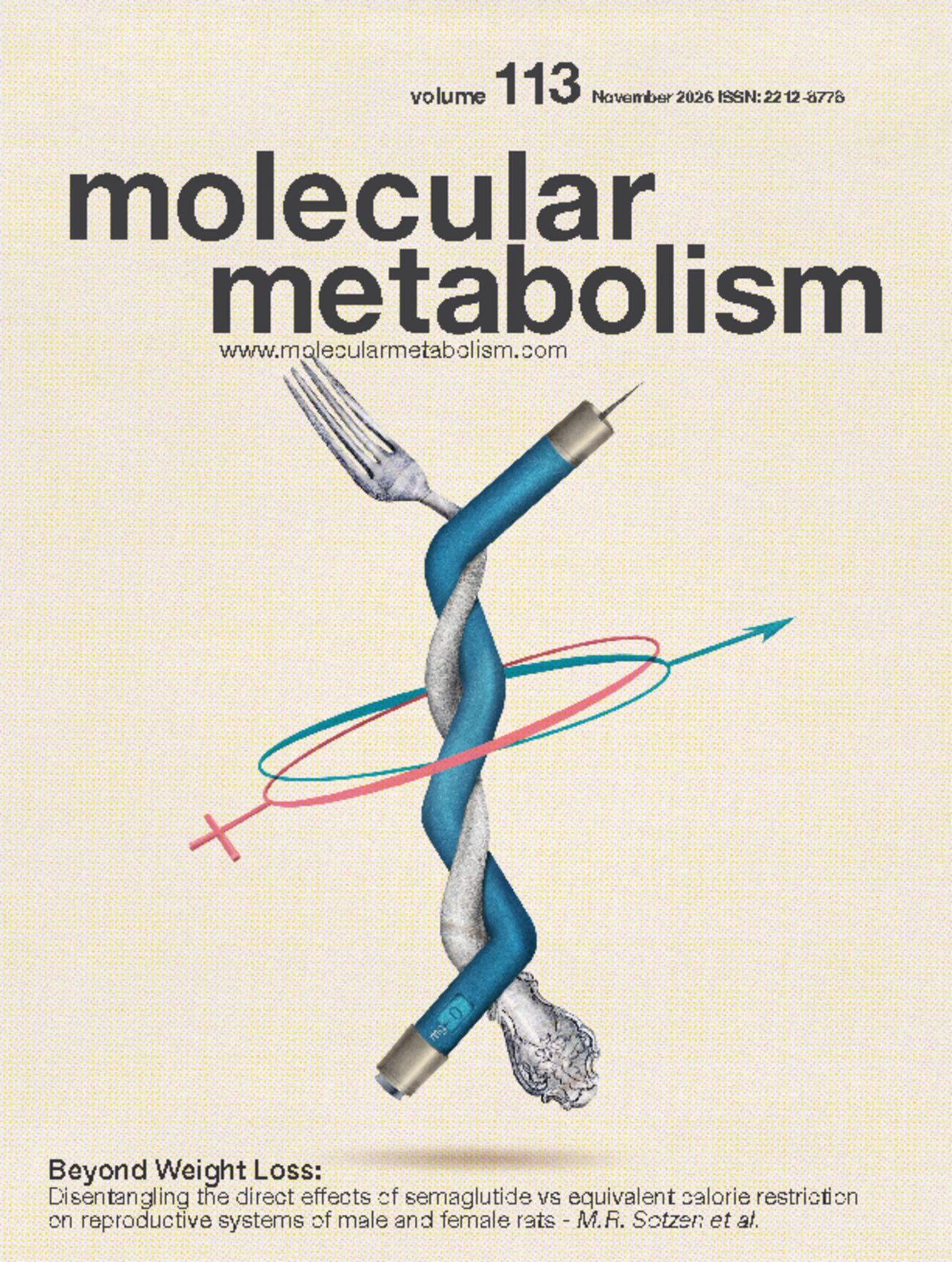
Obesity affects a significant fraction of the world population, with some states or countries reporting overwhelming majority of the population as obese or overweight. Effective treatments were not readily available until the recent approval of glucagon-like peptide-1 (GLP-1) -based pharmacotherapeutics for weight loss. Since then, the use of GLP-1-based pharmacotherapies for the treatment of obesity has skyrocketed. In addition to or because of the effective weight loss, these medications affect many different organs in the body. Many of these effects, including the degree of weight loss achieved, show significant sex differences. Moreover, recent analysis of online patient communities identified a range of self-reported reproductive and endocrine side effects of GLP-1 based therapies including menstrual irregularities, reduced libido, and hot-flashes that have not been systematically captured in clinical trials. Some of these reports contrast with recent data indicating that in Polyendocrine Metabolic Ovarian Syndrome (PMOS; formerly Polycystic Ovary Syndrome) patients semaglutide-associated weight loss normalizes menstrual cycles in most patients, leaving this issue unresolved. While it has been established that sex and sex hormones affect the action of GLP-1 analogues, whether these medications affect the levels of sex hormones and reproductive organs is less well understood, especially in a chronic and clinically relevant drug application setting.

Full text


Current Issue

Beyond weight loss: Disentangling the direct effects of semaglutide vs equivalent calorie restriction on reproductive systems of male and female rats

Morgan R. Sotzen, Suyeun Byun, Ngozi O. Ibadin, Mya A. Knappenberger, ... Karolina P. Skibicka

Beyond weight loss: Disentangling the direct effects of semaglutide vs equivalent calorie restriction on reproductive systems of male and female rats

Background

Semaglutide (SEMA), a glucagon-like peptide-1 (GLP-1) analogue approved for treatment of obesity, is now one of the most used anti-obesity pharmacotherapeutic agents worldwide. The effects of SEMA on body weight, appetite, and adiposity are well established. Moreover, sex differences in these effects are clearly emerging. Metabolism and reproduction are intimately intertwined; yet, whether and how these blockbuster drugs affect the reproductive system of males and females is poorly understood. To address this gap, we investigated the impact of chronic SEMA treatment on gonads and circulating reproductive hormones in diet-induced obese male and female rats.

Methods and Results

GLP-1 receptor is expressed in ovaries and testes, potentially allowing a direct effect of SEMA. Testicular expression of this receptor was 4.7-fold higher than in ovaries, supporting a potential male bias for potency of the drug effect. To disambiguate the direct effect of the drug from potential downstream effects of weight loss, and ensuing improvements in metabolism produced by the drug, we also evaluated pair-fed (PF) controls. After 4 weeks of treatment, PF and SEMA males displayed improvements in reproductive measures like sperm motility and mucus penetration parameters. Morphological analysis of male and female gonads largely suggested increased fertility. In males, changes in germinal epithelium and seminiferous tubules were detected. In females, increased folliculogenesis was identified in both SEMA and PF rats. Structural changes in the gonads were accompanied by changes in circulating gonadal hormones in a sex-specific manner. In males, SEMA attenuated the weight-loss-induced reduction in all androgens measured. In females, levels of progesterone, pregnenolone, and estradiol were reduced in a treatment specific manner. Pituitary hormones were also affected in both sexes.

Conclusions

Altogether, this study highlights broad SEMA-specific, as well as weight loss induced but rescued by SEMA, effects at transcriptional, functional, and systemic levels on the reproductive systems of males and females.

Articles in Press

Beyond weight loss: Disentangling the direct effects of semaglutide vs equivalent calorie restriction on reproductive systems of male and female rats

Morgan R. Sotzen, Suyeun Byun, Ngozi O. Ibadin, Mya A. Knappenberger, ... Karolina P. Skibicka

Beyond weight loss: Disentangling the direct effects of semaglutide vs equivalent calorie restriction on reproductive systems of male and female rats

Background

Semaglutide (SEMA), a glucagon-like peptide-1 (GLP-1) analogue approved for treatment of obesity, is now one of the most used anti-obesity pharmacotherapeutic agents worldwide. The effects of SEMA on body weight, appetite, and adiposity are well established. Moreover, sex differences in these effects are clearly emerging. Metabolism and reproduction are intimately intertwined; yet, whether and how these blockbuster drugs affect the reproductive system of males and females is poorly understood. To address this gap, we investigated the impact of chronic SEMA treatment on gonads and circulating reproductive hormones in diet-induced obese male and female rats.

Methods and Results

GLP-1 receptor is expressed in ovaries and testes, potentially allowing a direct effect of SEMA. Testicular expression of this receptor was 4.7-fold higher than in ovaries, supporting a potential male bias for potency of the drug effect. To disambiguate the direct effect of the drug from potential downstream effects of weight loss, and ensuing improvements in metabolism produced by the drug, we also evaluated pair-fed (PF) controls. After 4 weeks of treatment, PF and SEMA males displayed improvements in reproductive measures like sperm motility and mucus penetration parameters. Morphological analysis of male and female gonads largely suggested increased fertility. In males, changes in germinal epithelium and seminiferous tubules were detected. In females, increased folliculogenesis was identified in both SEMA and PF rats. Structural changes in the gonads were accompanied by changes in circulating gonadal hormones in a sex-specific manner. In males, SEMA attenuated the weight-loss-induced reduction in all androgens measured. In females, levels of progesterone, pregnenolone, and estradiol were reduced in a treatment specific manner. Pituitary hormones were also affected in both sexes.

Conclusions

Altogether, this study highlights broad SEMA-specific, as well as weight loss induced but rescued by SEMA, effects at transcriptional, functional, and systemic levels on the reproductive systems of males and females.

2025 Impact Factor: 6.3

You are what you eat

Here is a video of Vimeo. When the iframes is activated, a connection to Vimeo is established and, if necessary, cookies from Vimeo are also used. For further information on cookies policy click here.

Auf Werbeinhalte, die vor, während oder nach Videos von WEBSITE-URL eingeblendet werden, hat WEBSITE-URL keinen Einfluss. Wir übernehmen keine Gewähr für diese Inhalte. Weitere Informationen finden Sie hier.