
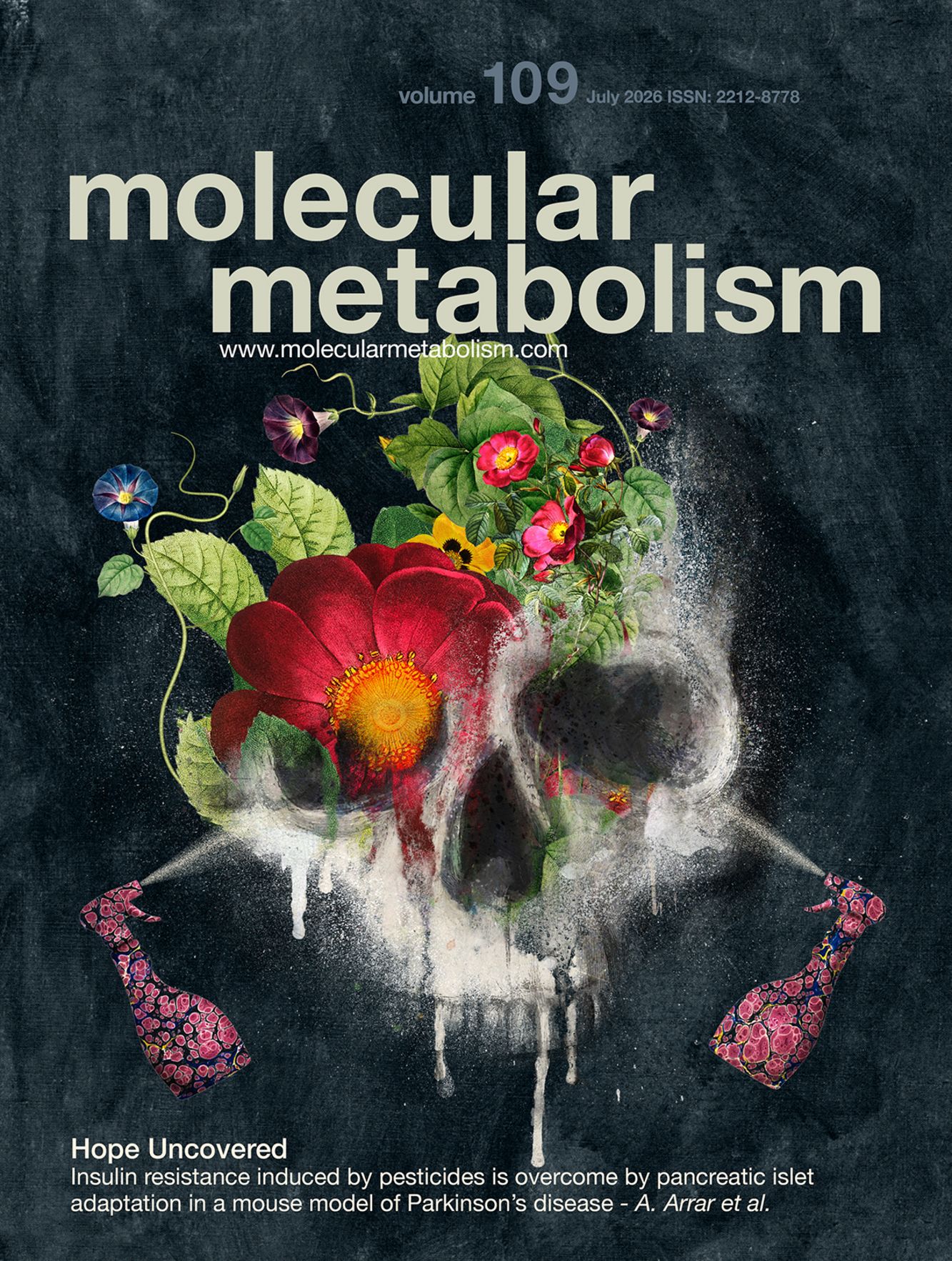


Cover Story Current Issue
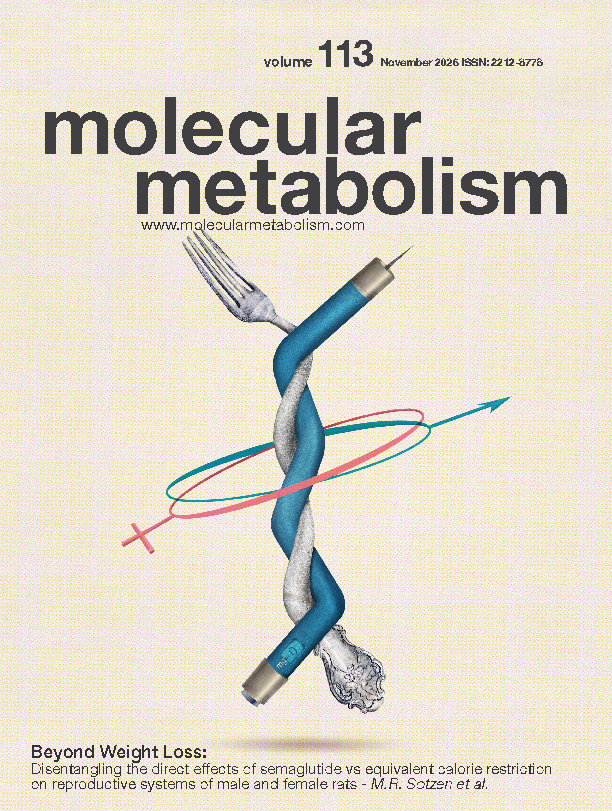
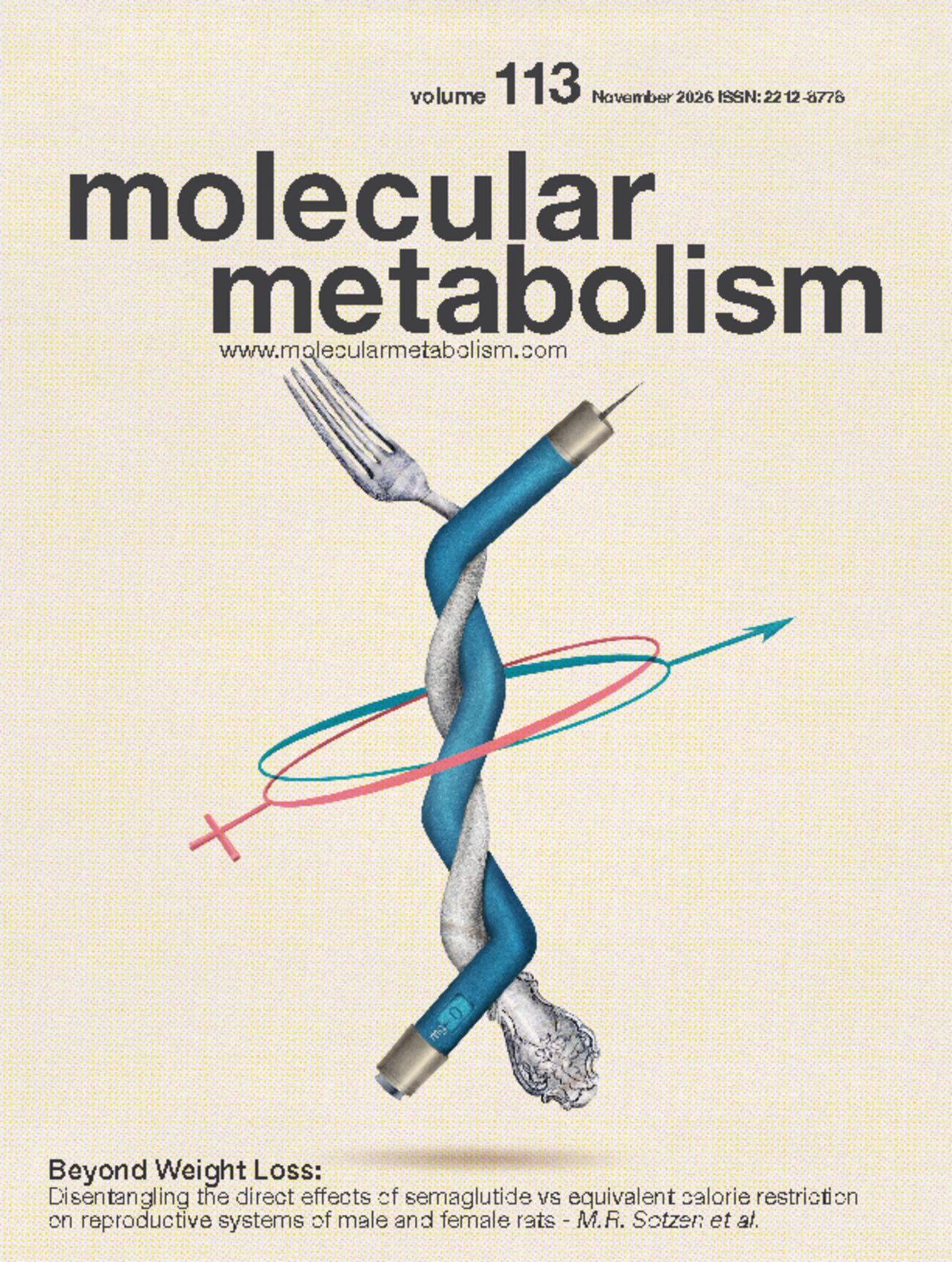
Obesity affects a significant fraction of the world population, with some states or countries reporting overwhelming majority of the population as obese or overweight. Effective treatments were not readily available until the recent approval of glucagon-like peptide-1 (GLP-1) -based pharmacotherapeutics for weight loss. Since then, the use of GLP-1-based pharmacotherapies for the treatment of obesity has skyrocketed. In addition to or because of the effective weight loss, these medications affect many different organs in the body. Many of these effects, including the degree of weight loss achieved, show significant sex differences. Moreover, recent analysis of online patient communities identified a range of self-reported reproductive and endocrine side effects of GLP-1 based therapies including menstrual irregularities, reduced libido, and hot-flashes that have not been systematically captured in clinical trials. Some of these reports contrast with recent data indicating that in Polyendocrine Metabolic Ovarian Syndrome (PMOS; formerly Polycystic Ovary Syndrome) patients semaglutide-associated weight loss normalizes menstrual cycles in most patients, leaving this issue unresolved. While it has been established that sex and sex hormones affect the action of GLP-1 analogues, whether these medications affect the levels of sex hormones and reproductive organs is less well understood, especially in a chronic and clinically relevant drug application setting.
Current Issue
TRIM47, stabilized by YTHDF3-mediated m6A modification, promotes cardiac lipid accumulation and aggravates diabetic cardiomyopathy

TRIM47, stabilized by YTHDF3-mediated m6A modification, promotes cardiac lipid accumulation and aggravates diabetic cardiomyopathy
Background
Diabetic cardiomyopathy (DCM) is a prevalent and severe cardiovascular complication of diabetes mellitus, characterized by progressive cardiac dysfunction and pathological remodeling driven by myocardial metabolic disturbances. However, the underlying molecular mechanisms remain incompletely elucidated.
Methods
A type 2 DCM mouse model was established by feeding C57BL/6 mice a high-fat diet combined with streptozotocin injections. Cardiomyocyte-specific TRIM47 knockdown was achieved via AAV9-mediated delivery of a cardiomyocyte-specific cTnT promoter-driven shRNA. In vitro, primary neonatal mouse ventricular cardiomyocytes (NMCMs) were treated with palmitic acid (PA) to model cardiomyocyte injury.
Results
TRIM47 was significantly upregulated in diabetic hearts. Cardiomyocyte-specific TRIM47 knockdown improved left ventricular ejection fraction and fractional shortening, attenuated chamber dilation, and reduced heart weight-to-tibia length ratio. TRIM47 silencing attenuated cardiomyocyte hypertrophy, interstitial fibrosis, and cardiomyocyte apoptosis, alongside reduced myocardial inflammatory cytokine levels (TNF-α, IL-6, IL-1β). Furthermore, TRIM47 knockdown alleviated myocardial lipid accumulation and reduced triglyceride levels, accompanied by downregulation of the fatty acid translocase CD36. In vitro, PA-treated NMCMs exhibited elevated TRIM47 expression, and its knockdown mitigated PA-induced cardiomyocyte injury, inflammation, apoptosis, and lipid deposition. Mechanistically, the m6A reader YTHDF3 was upregulated under PA conditions and directly bound to m6A-modified TRIM47 mRNA, enhancing its stability. Rescue experiments demonstrated that YTHDF3 overexpression exacerbated PA-induced cardiomyocyte injury, whereas concurrent TRIM47 knockdown largely reversed these deleterious effects.
Conclusions
Our results revealed that TRIM47 may contribute to the progression of DCM by promoting abnormal cardiac lipid metabolism, exacerbating inflammation and apoptosis, and these effects are partially mediated through the upstream m6A reader YTHDF3.
Articles in Press
TRIM47, stabilized by YTHDF3-mediated m6A modification, promotes cardiac lipid accumulation and aggravates diabetic cardiomyopathy
TRIM47, stabilized by YTHDF3-mediated m6A modification, promotes cardiac lipid accumulation and aggravates diabetic cardiomyopathy
Background
Diabetic cardiomyopathy (DCM) is a prevalent and severe cardiovascular complication of diabetes mellitus, characterized by progressive cardiac dysfunction and pathological remodeling driven by myocardial metabolic disturbances. However, the underlying molecular mechanisms remain incompletely elucidated.
Methods
A type 2 DCM mouse model was established by feeding C57BL/6 mice a high-fat diet combined with streptozotocin injections. Cardiomyocyte-specific TRIM47 knockdown was achieved via AAV9-mediated delivery of a cardiomyocyte-specific cTnT promoter-driven shRNA. In vitro, primary neonatal mouse ventricular cardiomyocytes (NMCMs) were treated with palmitic acid (PA) to model cardiomyocyte injury.
Results
TRIM47 was significantly upregulated in diabetic hearts. Cardiomyocyte-specific TRIM47 knockdown improved left ventricular ejection fraction and fractional shortening, attenuated chamber dilation, and reduced heart weight-to-tibia length ratio. TRIM47 silencing attenuated cardiomyocyte hypertrophy, interstitial fibrosis, and cardiomyocyte apoptosis, alongside reduced myocardial inflammatory cytokine levels (TNF-α, IL-6, IL-1β). Furthermore, TRIM47 knockdown alleviated myocardial lipid accumulation and reduced triglyceride levels, accompanied by downregulation of the fatty acid translocase CD36. In vitro, PA-treated NMCMs exhibited elevated TRIM47 expression, and its knockdown mitigated PA-induced cardiomyocyte injury, inflammation, apoptosis, and lipid deposition. Mechanistically, the m6A reader YTHDF3 was upregulated under PA conditions and directly bound to m6A-modified TRIM47 mRNA, enhancing its stability. Rescue experiments demonstrated that YTHDF3 overexpression exacerbated PA-induced cardiomyocyte injury, whereas concurrent TRIM47 knockdown largely reversed these deleterious effects.
Conclusions
Our results revealed that TRIM47 may contribute to the progression of DCM by promoting abnormal cardiac lipid metabolism, exacerbating inflammation and apoptosis, and these effects are partially mediated through the upstream m6A reader YTHDF3.

2025 Impact Factor: 6.3
You are what you eat
Here is a video of Vimeo. When the iframes is activated, a connection to Vimeo is established and, if necessary, cookies from Vimeo are also used. For further information on cookies policy click here.