


Cover Story Current Issue
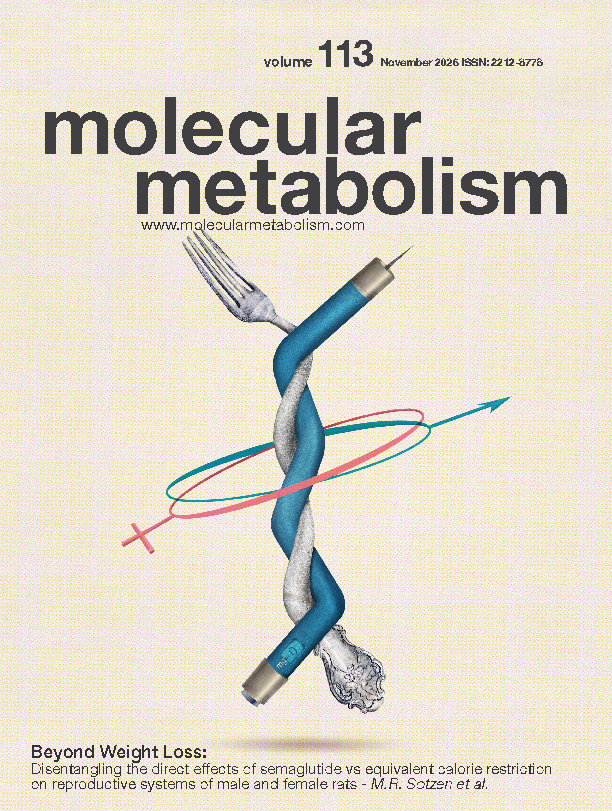
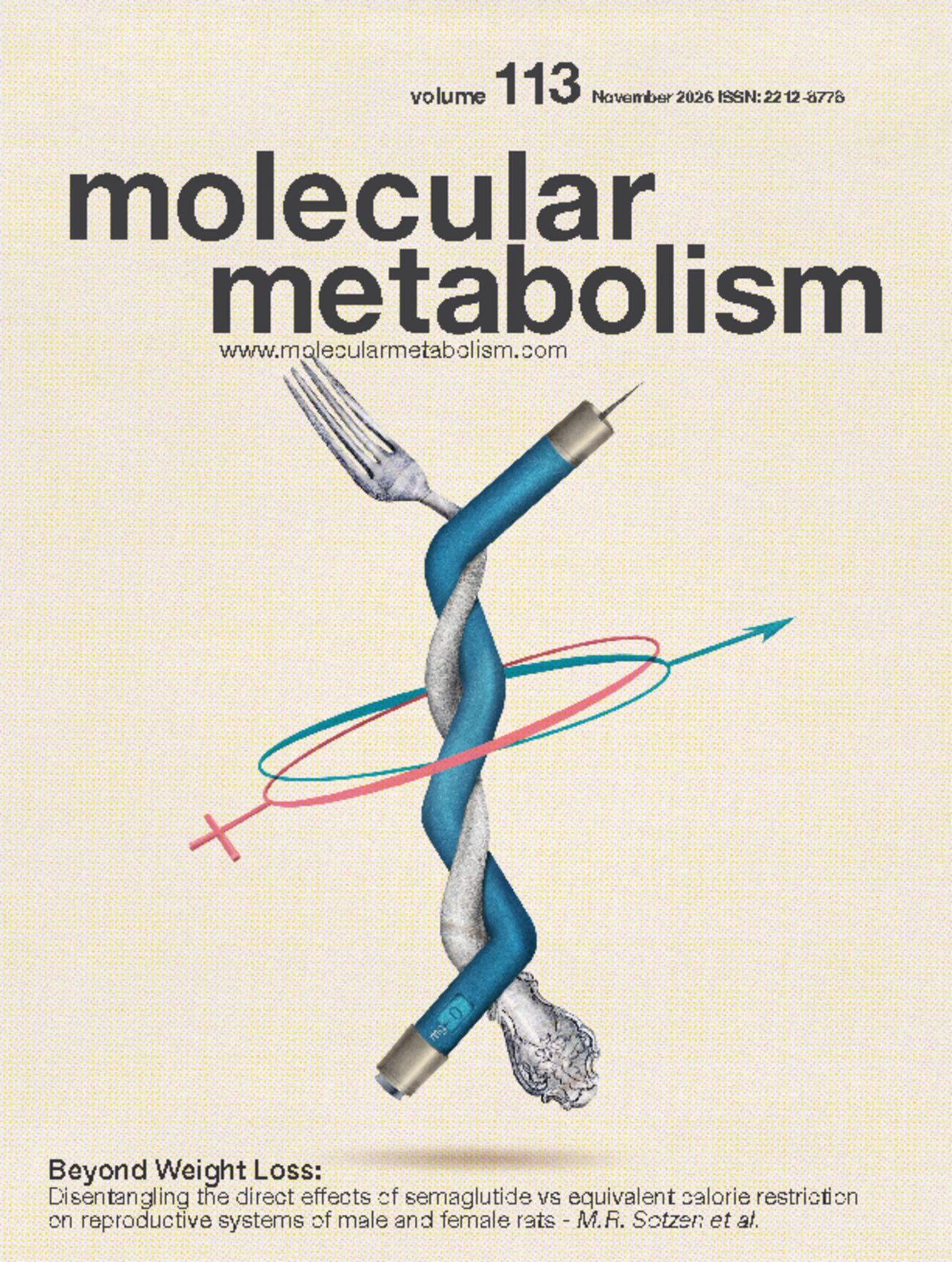
Obesity affects a significant fraction of the world population, with some states or countries reporting overwhelming majority of the population as obese or overweight. Effective treatments were not readily available until the recent approval of glucagon-like peptide-1 (GLP-1) -based pharmacotherapeutics for weight loss. Since then, the use of GLP-1-based pharmacotherapies for the treatment of obesity has skyrocketed. In addition to or because of the effective weight loss, these medications affect many different organs in the body. Many of these effects, including the degree of weight loss achieved, show significant sex differences. Moreover, recent analysis of online patient communities identified a range of self-reported reproductive and endocrine side effects of GLP-1 based therapies including menstrual irregularities, reduced libido, and hot-flashes that have not been systematically captured in clinical trials. Some of these reports contrast with recent data indicating that in Polyendocrine Metabolic Ovarian Syndrome (PMOS; formerly Polycystic Ovary Syndrome) patients semaglutide-associated weight loss normalizes menstrual cycles in most patients, leaving this issue unresolved. While it has been established that sex and sex hormones affect the action of GLP-1 analogues, whether these medications affect the levels of sex hormones and reproductive organs is less well understood, especially in a chronic and clinically relevant drug application setting.
Current Issue
Mitochondrial NCLX couples glucagon- and PDE2A-Dependent signals to regulate hepatic lipid metabolism

Mitochondrial NCLX couples glucagon- and PDE2A-Dependent signals to regulate hepatic lipid metabolism
Mitochondrial calcium signaling, particularly its glucagon-mediated oscillatory dynamics, plays a pivotal role in regulating hepatic metabolism and is known to be disrupted in steatotic liver disease. We recently identified the mitochondrial Na+/Ca2+exchanger NCLX as a key mediator of glucagon-induced mitochondrial calcium oscillations, essential for proper gluconeogenic function. Here, using hepatocyte-specific NCLX knockout (cKO) mice, we demonstrate that NCLX is critical for intrahepatic lipolysis and fatty acid oxidation (FAO); its loss impairs glucagon-stimulated lipid droplet catabolism and blunts FAO. Mechanistically, we find that NCLX deficiency disrupts allosteric activation of lipolytic enzymes and increases CPT1 sensitivity to malonyl-CoA-mediated inhibition, resulting in defective lipolysis and FAO. We further show that glucagon regulates hepatic NCLX via cAMP/PKA-dependent phosphorylation at NCLX Ser258. Notably, PDE2A acts as a negative regulator of this pathway by degrading mitochondrial cAMP. Hepatic mitochondrial PDE2A abundance and cAMP-degrading activity are elevated in HFD, and in vivo BAY 60-7550 treatment suppresses mitochondrial cAMP degradation and augments PKA signaling in steatotic livers. Pharmacologic inhibition of PDE2A with BAY 60-7550 enhances NCLX phosphorylation, restores mitochondrial calcium efflux and oscillations, and stimulates FAO in an NCLX-dependent manner. Importantly, we uncover that cAMP/PKA-dependent phosphorylation of NCLX at Ser258 is suppressed in human steatotic livers, and that pharmacologic inhibition of PDE2A ameliorates hepatic FAO and steatosis in both dietary and genetic MASLD models. Collectively, our findings establish the glucagon–PDE2A–PKA–NCLX signaling axis as a key metabolic rheostat integrating mitochondrial calcium dynamics with lipid homeostasis, providing a promising therapeutic target for MASLD.
Articles in Press
Mitochondrial NCLX couples glucagon- and PDE2A-Dependent signals to regulate hepatic lipid metabolism
Mitochondrial NCLX couples glucagon- and PDE2A-Dependent signals to regulate hepatic lipid metabolism
Mitochondrial calcium signaling, particularly its glucagon-mediated oscillatory dynamics, plays a pivotal role in regulating hepatic metabolism and is known to be disrupted in steatotic liver disease. We recently identified the mitochondrial Na+/Ca2+exchanger NCLX as a key mediator of glucagon-induced mitochondrial calcium oscillations, essential for proper gluconeogenic function. Here, using hepatocyte-specific NCLX knockout (cKO) mice, we demonstrate that NCLX is critical for intrahepatic lipolysis and fatty acid oxidation (FAO); its loss impairs glucagon-stimulated lipid droplet catabolism and blunts FAO. Mechanistically, we find that NCLX deficiency disrupts allosteric activation of lipolytic enzymes and increases CPT1 sensitivity to malonyl-CoA-mediated inhibition, resulting in defective lipolysis and FAO. We further show that glucagon regulates hepatic NCLX via cAMP/PKA-dependent phosphorylation at NCLX Ser258. Notably, PDE2A acts as a negative regulator of this pathway by degrading mitochondrial cAMP. Hepatic mitochondrial PDE2A abundance and cAMP-degrading activity are elevated in HFD, and in vivo BAY 60-7550 treatment suppresses mitochondrial cAMP degradation and augments PKA signaling in steatotic livers. Pharmacologic inhibition of PDE2A with BAY 60-7550 enhances NCLX phosphorylation, restores mitochondrial calcium efflux and oscillations, and stimulates FAO in an NCLX-dependent manner. Importantly, we uncover that cAMP/PKA-dependent phosphorylation of NCLX at Ser258 is suppressed in human steatotic livers, and that pharmacologic inhibition of PDE2A ameliorates hepatic FAO and steatosis in both dietary and genetic MASLD models. Collectively, our findings establish the glucagon–PDE2A–PKA–NCLX signaling axis as a key metabolic rheostat integrating mitochondrial calcium dynamics with lipid homeostasis, providing a promising therapeutic target for MASLD.

2025 Impact Factor: 6.3
You are what you eat
Here is a video of Vimeo. When the iframes is activated, a connection to Vimeo is established and, if necessary, cookies from Vimeo are also used. For further information on cookies policy click here.