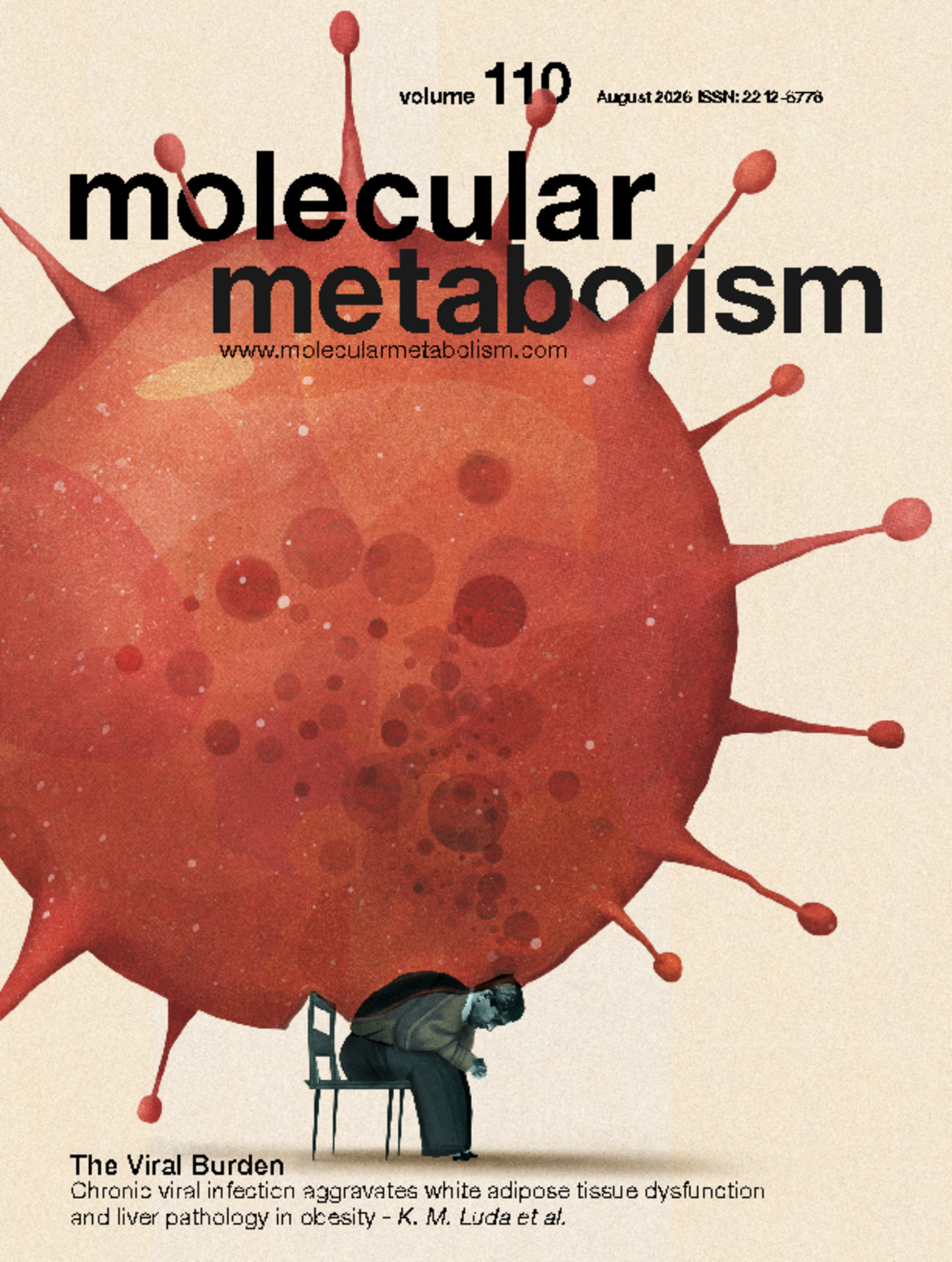
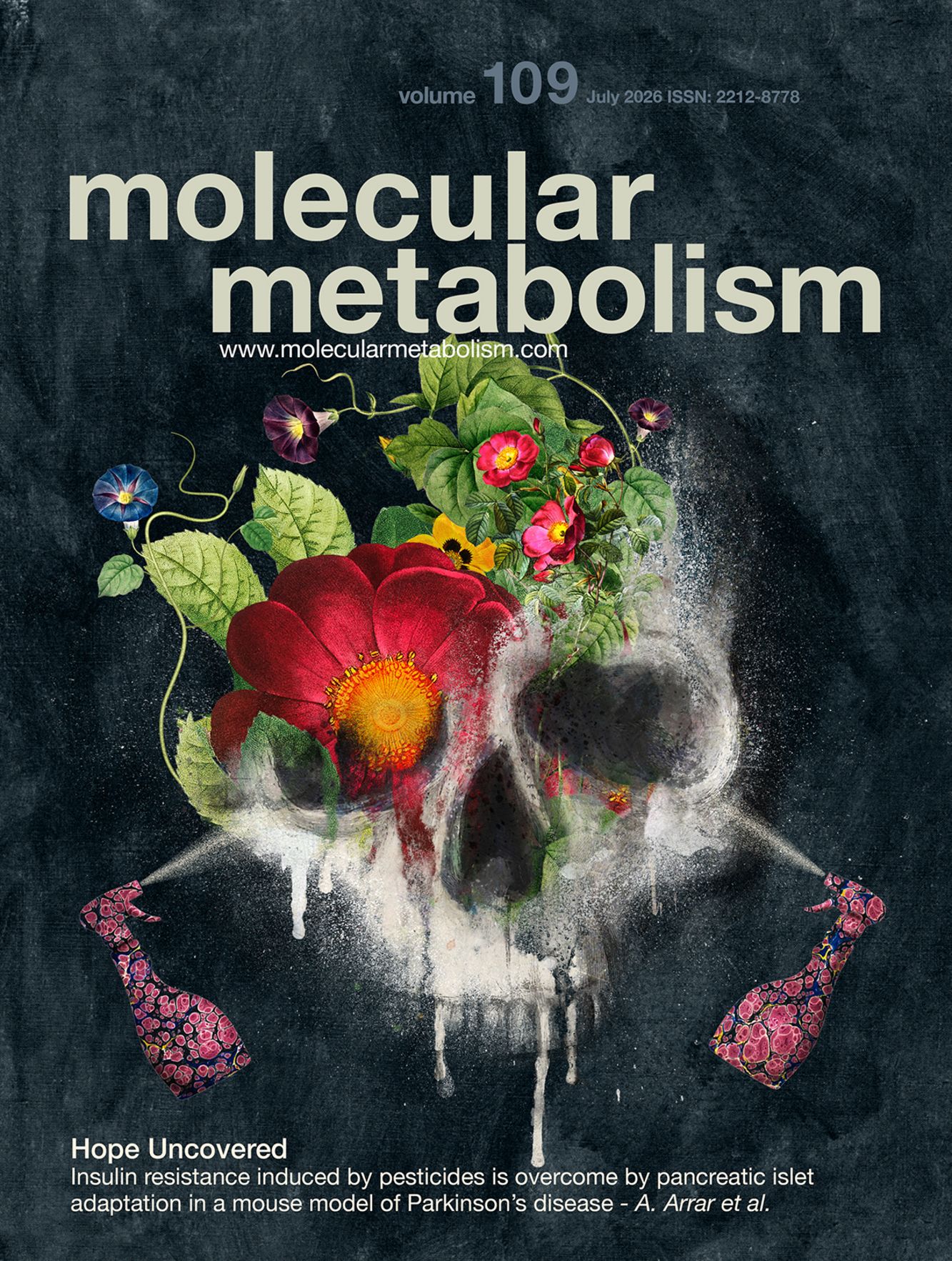
Cover Story Current Issue

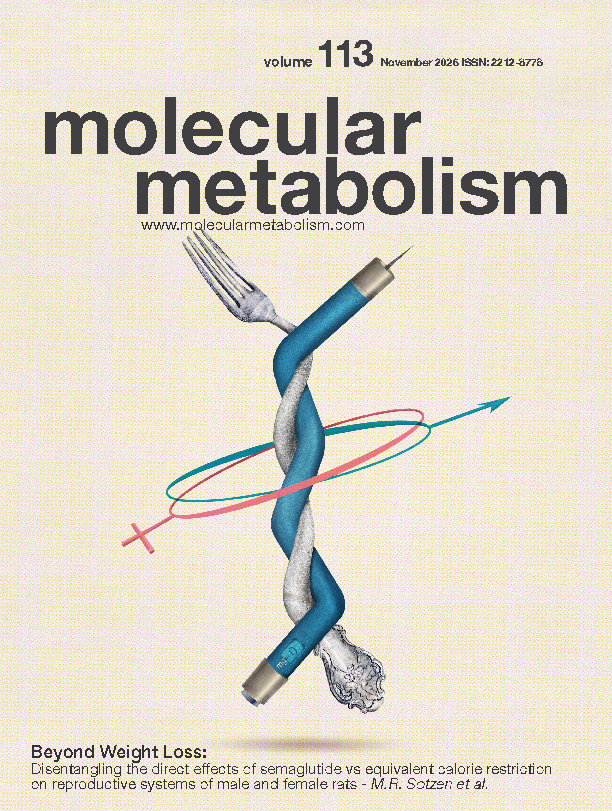
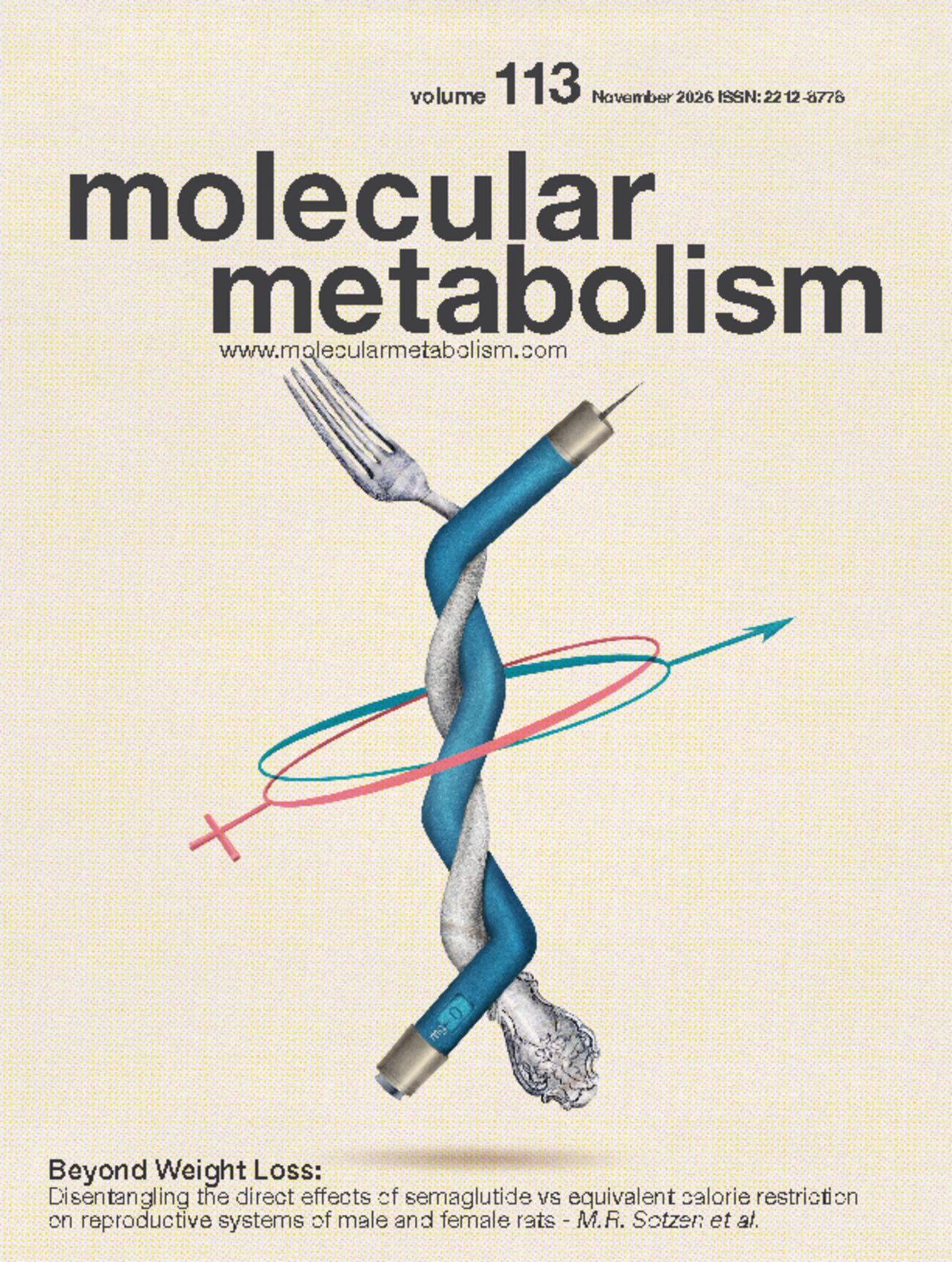
Obesity affects a significant fraction of the world population, with some states or countries reporting overwhelming majority of the population as obese or overweight. Effective treatments were not readily available until the recent approval of glucagon-like peptide-1 (GLP-1) -based pharmacotherapeutics for weight loss. Since then, the use of GLP-1-based pharmacotherapies for the treatment of obesity has skyrocketed. In addition to or because of the effective weight loss, these medications affect many different organs in the body. Many of these effects, including the degree of weight loss achieved, show significant sex differences. Moreover, recent analysis of online patient communities identified a range of self-reported reproductive and endocrine side effects of GLP-1 based therapies including menstrual irregularities, reduced libido, and hot-flashes that have not been systematically captured in clinical trials. Some of these reports contrast with recent data indicating that in Polyendocrine Metabolic Ovarian Syndrome (PMOS; formerly Polycystic Ovary Syndrome) patients semaglutide-associated weight loss normalizes menstrual cycles in most patients, leaving this issue unresolved. While it has been established that sex and sex hormones affect the action of GLP-1 analogues, whether these medications affect the levels of sex hormones and reproductive organs is less well understood, especially in a chronic and clinically relevant drug application setting.

Full text


Current Issue

Differentiated obesity treatment: Pharmacological CRF2 agonism drives fat loss, skeletal muscle hypertrophy and improved glucose metabolism in preclinical obesity.

Kristoffer Niss, Sofia Lundh, Rucha Patel, Johannes Josef Fels, ... Berit Ø. Christoffersen

Objective

Loss of lean mass during weight reduction may compromise metabolic health and physical function. Urocortin 2 (UCN2) activates corticotropin-releasing factor receptor 2 (CRF2) and has been linked to beneficial effects on skeletal muscle and glucose metabolism. We evaluated an acylated UCN2 analogue (acyUCN2), alone or combined with an acylated GLP-1 analogue (acyGLP-1), in preclinical obesity models.

Methods

Diet-induced obese (DIO) Sprague Dawley rats and DIO Göttingen Minipigs were treated with vehicle or acyUCN2 (rats, pigs) or acyGLP-1 or combination therapy (rats only). Food intake, body weight (BW), body composition, glucose tolerance and energy expenditure (rats only) were assessed. Histology and RNA-sequencing were used to characterize muscle remodelling and transcriptional responses.

Results

In rats, acyUCN2 reduced food intake and fat mass, increased lean mass and muscle weight, and improved glucose tolerance despite limited effects on BW. Energy expenditure was not affected. Histology demonstrated hypertrophy across fibre types and a shift from type 2A to type 2X/B fibres. Transcriptomic analyses supported muscle growth and fibre type switch, relative reduced vasculature, regulation of neuromuscular junction-associated genes, and overlap to human acute exercise-response signatures. In obese minipigs, acyUCN2 increased lean mass and improved insulin sensitivity, with modest effects on BW and fat mass, alongside regulation of genes linked to muscle biology and metabolism.

Conclusions

Pharmacological CRF2 agonism promotes favourable body composition, muscle hypertrophy, and improved glucose metabolism despite limited weight loss, supporting clinical development of UCN2 analogues as a differentiated obesity treatment, particularly in combination with appetite-regulating therapies and in settings where preservation of functional muscle mass is critical.

Articles in Press

Differentiated obesity treatment: Pharmacological CRF2 agonism drives fat loss, skeletal muscle hypertrophy and improved glucose metabolism in preclinical obesity.

Kristoffer Niss, Sofia Lundh, Rucha Patel, Johannes Josef Fels, ... Berit Ø. Christoffersen

Objective

Loss of lean mass during weight reduction may compromise metabolic health and physical function. Urocortin 2 (UCN2) activates corticotropin-releasing factor receptor 2 (CRF2) and has been linked to beneficial effects on skeletal muscle and glucose metabolism. We evaluated an acylated UCN2 analogue (acyUCN2), alone or combined with an acylated GLP-1 analogue (acyGLP-1), in preclinical obesity models.

Methods

Diet-induced obese (DIO) Sprague Dawley rats and DIO Göttingen Minipigs were treated with vehicle or acyUCN2 (rats, pigs) or acyGLP-1 or combination therapy (rats only). Food intake, body weight (BW), body composition, glucose tolerance and energy expenditure (rats only) were assessed. Histology and RNA-sequencing were used to characterize muscle remodelling and transcriptional responses.

Results

In rats, acyUCN2 reduced food intake and fat mass, increased lean mass and muscle weight, and improved glucose tolerance despite limited effects on BW. Energy expenditure was not affected. Histology demonstrated hypertrophy across fibre types and a shift from type 2A to type 2X/B fibres. Transcriptomic analyses supported muscle growth and fibre type switch, relative reduced vasculature, regulation of neuromuscular junction-associated genes, and overlap to human acute exercise-response signatures. In obese minipigs, acyUCN2 increased lean mass and improved insulin sensitivity, with modest effects on BW and fat mass, alongside regulation of genes linked to muscle biology and metabolism.

Conclusions

Pharmacological CRF2 agonism promotes favourable body composition, muscle hypertrophy, and improved glucose metabolism despite limited weight loss, supporting clinical development of UCN2 analogues as a differentiated obesity treatment, particularly in combination with appetite-regulating therapies and in settings where preservation of functional muscle mass is critical.

2025 Impact Factor: 6.3

You are what you eat

Here is a video of Vimeo. When the iframes is activated, a connection to Vimeo is established and, if necessary, cookies from Vimeo are also used. For further information on cookies policy click here.

Auf Werbeinhalte, die vor, während oder nach Videos von WEBSITE-URL eingeblendet werden, hat WEBSITE-URL keinen Einfluss. Wir übernehmen keine Gewähr für diese Inhalte. Weitere Informationen finden Sie hier.