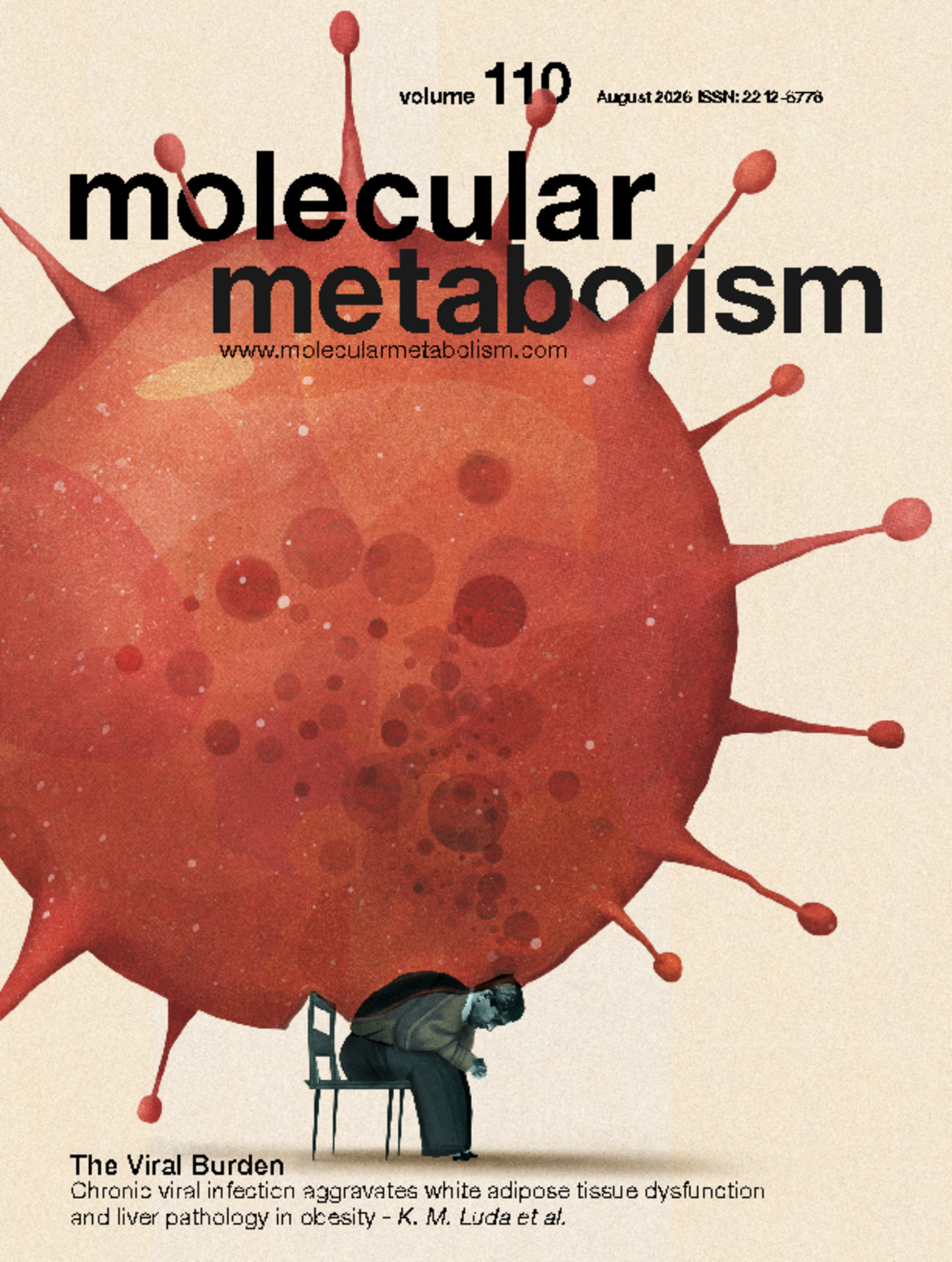
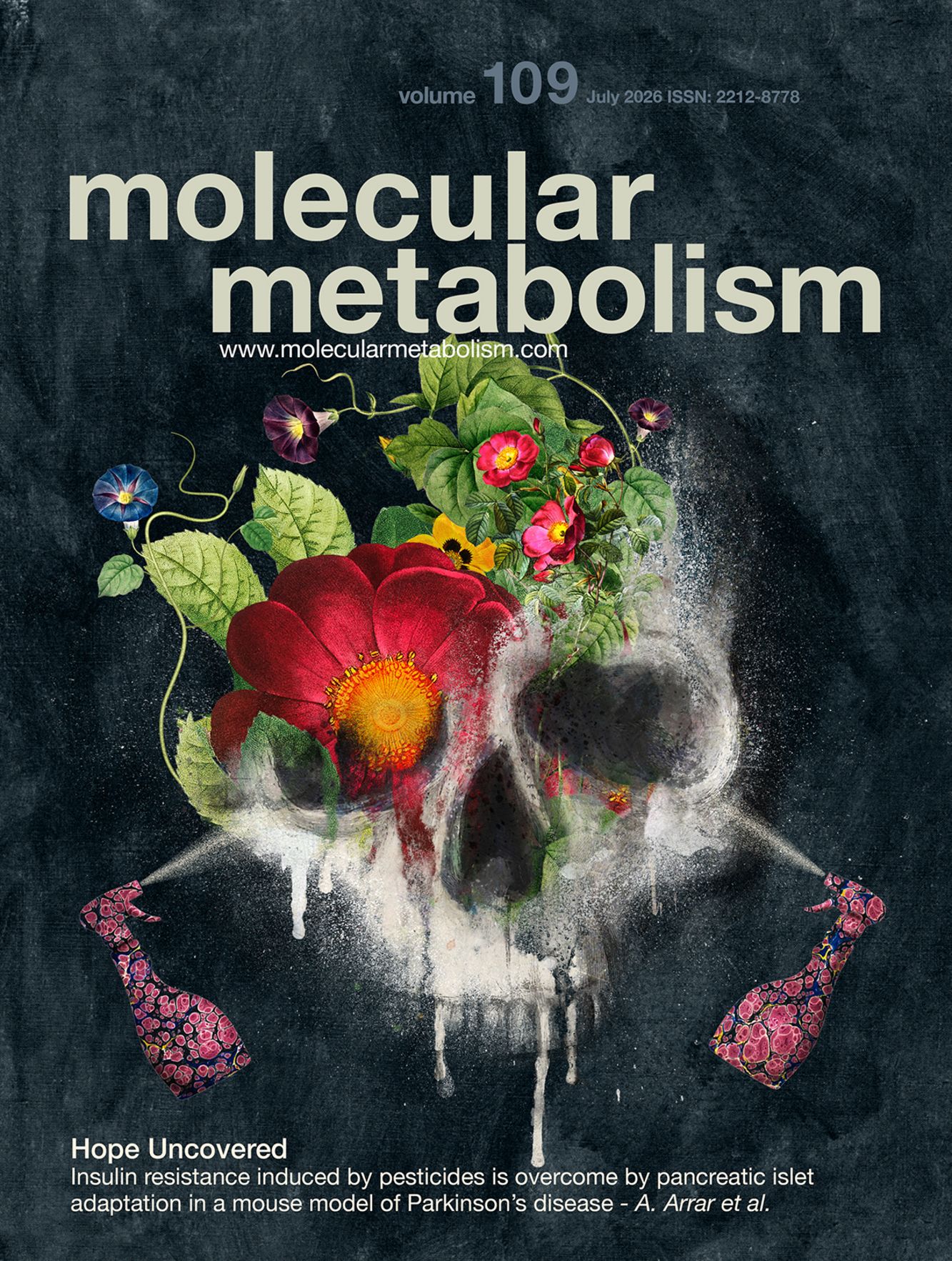
Cover Story Current Issue

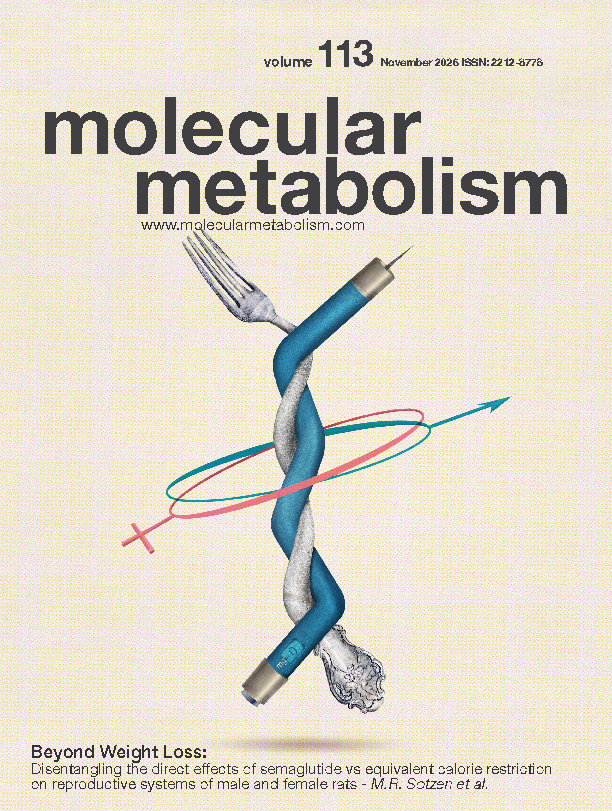
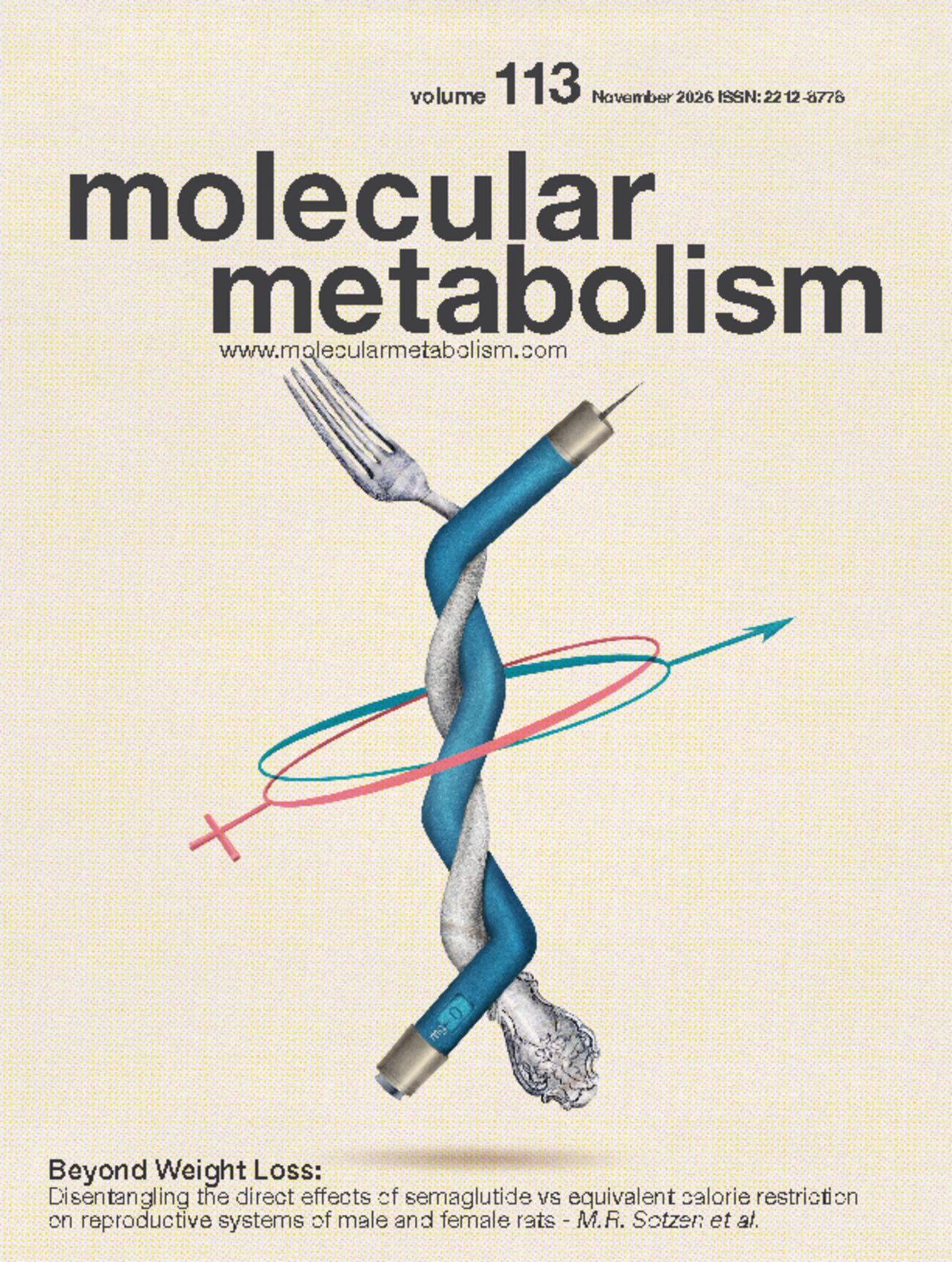
Obesity affects a significant fraction of the world population, with some states or countries reporting overwhelming majority of the population as obese or overweight. Effective treatments were not readily available until the recent approval of glucagon-like peptide-1 (GLP-1) -based pharmacotherapeutics for weight loss. Since then, the use of GLP-1-based pharmacotherapies for the treatment of obesity has skyrocketed. In addition to or because of the effective weight loss, these medications affect many different organs in the body. Many of these effects, including the degree of weight loss achieved, show significant sex differences. Moreover, recent analysis of online patient communities identified a range of self-reported reproductive and endocrine side effects of GLP-1 based therapies including menstrual irregularities, reduced libido, and hot-flashes that have not been systematically captured in clinical trials. Some of these reports contrast with recent data indicating that in Polyendocrine Metabolic Ovarian Syndrome (PMOS; formerly Polycystic Ovary Syndrome) patients semaglutide-associated weight loss normalizes menstrual cycles in most patients, leaving this issue unresolved. While it has been established that sex and sex hormones affect the action of GLP-1 analogues, whether these medications affect the levels of sex hormones and reproductive organs is less well understood, especially in a chronic and clinically relevant drug application setting.

Full text


Current Issue

Discovery, optimization, and Phase 1 evaluation of a novel, orally available GLP-1R/GIPR dual agonist.

Stephanie A. Mowery, Patrick J. Knerr, Karina Rahr Hjøllund, Birgitte Nissen, ... Charlotta Dornonville de la Cour

Objective

The efficacy and convenience of anti-diabetic and anti-obesity therapeutics have surged in recent years due to the emergence of incretin-based poly-pharmacological approaches as well as advances in the oral delivery of peptide drugs. We sought to combine both strategies in an orally deliverable dual agonist of the GLP-1 and GIP receptors.

Methodology

We designed a panel of unimolecular, fatty-acylated peptide dual agonists, which was screened for receptor potencies in cell-based assay systems. NNC0130 was selected to advance into clinical studies using both oral and subcutaneous administration.

Results

NNC0130 exhibited in vitro potency comparable to semaglutide at human GLP-1R and to tirzepatide at human GIPR, with a chemical structure compatible with semi-recombinant production. Its human half-life of 76-89 hours was deemed suitable for once-daily oral administration. In a multiple-ascending dose trial in participants with overweight or obesity and with separate subcutaneous and oral cohorts, daily subcutaneous administration of NNC0130 escalating from 0.3 to 3.0 mg per dose provided a placebo-corrected mean body weight loss of 9% after 12 weeks of treatment and 12% after 15 weeks. Daily oral administration escalating from 5 to 50 mg per dose provided a placebo-corrected mean body weight loss of 4% after 12 weeks, which was not statistically significantly different from zero. The relative oral bioavailability when co-formulated with permeation enhancer salcaprozate sodium was estimated to 1.6-2.2% versus s.c. administration.

Conclusions

The modest weight lowering efficacy of orally administered NNC0130 highlights the continued challenges of low oral bioavailability of acylated peptides. However, the substantial efficacy observed with subcutaneous administration motivated advancement into Phase 2 clinical development.

Articles in Press

Discovery, optimization, and Phase 1 evaluation of a novel, orally available GLP-1R/GIPR dual agonist.

Stephanie A. Mowery, Patrick J. Knerr, Karina Rahr Hjøllund, Birgitte Nissen, ... Charlotta Dornonville de la Cour

Objective

The efficacy and convenience of anti-diabetic and anti-obesity therapeutics have surged in recent years due to the emergence of incretin-based poly-pharmacological approaches as well as advances in the oral delivery of peptide drugs. We sought to combine both strategies in an orally deliverable dual agonist of the GLP-1 and GIP receptors.

Methodology

We designed a panel of unimolecular, fatty-acylated peptide dual agonists, which was screened for receptor potencies in cell-based assay systems. NNC0130 was selected to advance into clinical studies using both oral and subcutaneous administration.

Results

NNC0130 exhibited in vitro potency comparable to semaglutide at human GLP-1R and to tirzepatide at human GIPR, with a chemical structure compatible with semi-recombinant production. Its human half-life of 76-89 hours was deemed suitable for once-daily oral administration. In a multiple-ascending dose trial in participants with overweight or obesity and with separate subcutaneous and oral cohorts, daily subcutaneous administration of NNC0130 escalating from 0.3 to 3.0 mg per dose provided a placebo-corrected mean body weight loss of 9% after 12 weeks of treatment and 12% after 15 weeks. Daily oral administration escalating from 5 to 50 mg per dose provided a placebo-corrected mean body weight loss of 4% after 12 weeks, which was not statistically significantly different from zero. The relative oral bioavailability when co-formulated with permeation enhancer salcaprozate sodium was estimated to 1.6-2.2% versus s.c. administration.

Conclusions

The modest weight lowering efficacy of orally administered NNC0130 highlights the continued challenges of low oral bioavailability of acylated peptides. However, the substantial efficacy observed with subcutaneous administration motivated advancement into Phase 2 clinical development.

2025 Impact Factor: 6.3

You are what you eat

Here is a video of Vimeo. When the iframes is activated, a connection to Vimeo is established and, if necessary, cookies from Vimeo are also used. For further information on cookies policy click here.

Auf Werbeinhalte, die vor, während oder nach Videos von WEBSITE-URL eingeblendet werden, hat WEBSITE-URL keinen Einfluss. Wir übernehmen keine Gewähr für diese Inhalte. Weitere Informationen finden Sie hier.